
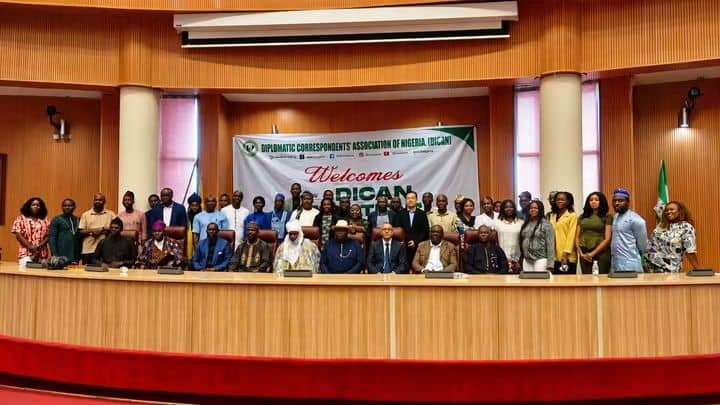

Nigeria could significantly boost its poverty reduction efforts by adapting elements of China’s economic model to suit local realities, according to the Diplomatic Correspondents Association of Nigeria (DICAN).
Speaking at a strategic stakeholders’ workshop in Abuja, DICAN Chairman Idehai Frederick stated that evaluating international success stories has become vital as Nigeria navigates economic reforms, rising living costs, and food security challenges.
Key Recommendations and Strategic Focus
Addressing diplomats, policymakers, and media practitioners, Frederick highlighted key takeaways from China’s experience in lifting over 800 million citizens out of extreme poverty:
- Targeted Interventions: Nigeria should adopt data-driven, household-level interventions alongside sustained rural infrastructure development rather than attempting a direct copy of foreign policies.
- Trade and Export Opportunities: Nigerian businesses should capitalize on China’s zero-tariff policy for African exports by strengthening local supply chains, raising product quality standards, and expanding non-oil exports.
- Capacity Building: Frederick called for expanded technical journalism training, media exchange programs, and deeper engagement between Nigerian reporters and the international business community.
- Development Alignment: Future economic partnerships and development assistance must align closely with local priorities and the United Nations Sustainable Development Goals (SDGs).

The workshop, themed on adapting Chinese modules for Nigeria’s current economic era, concluded with calls for stronger collaboration between government institutions, development partners, and the press to drive sustainable economic relief nationwide.
With economic pressures mounting across West Africa, adopting tailored, data-driven approaches could prove decisive in transforming Nigeria’s vast human potential into measurable poverty reduction.




Add Comment