
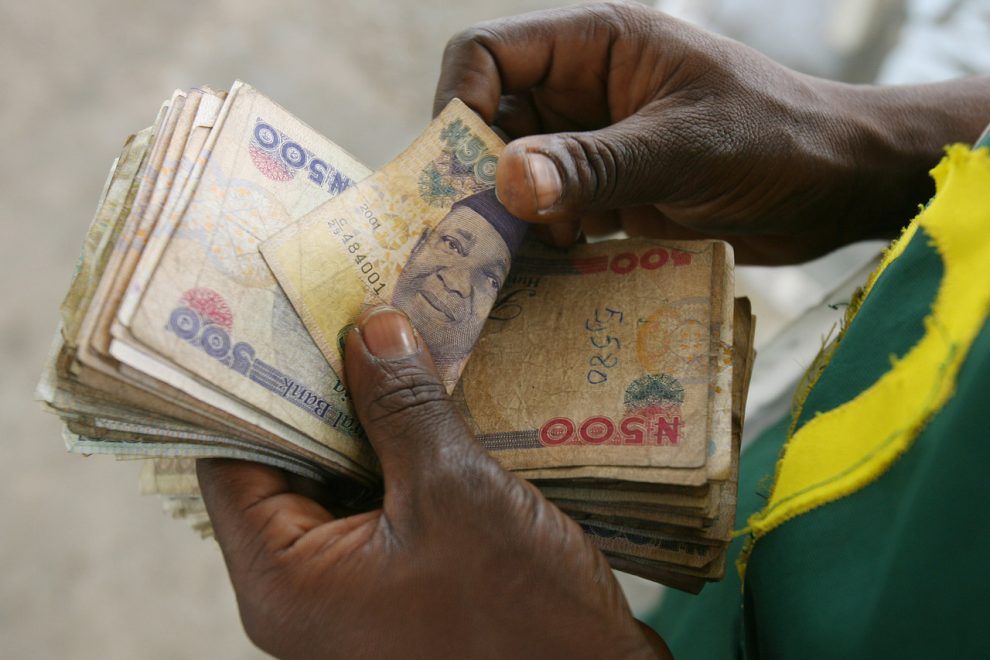

Nigeria’s federal government borrowed N11.9 trillion ($7.6 billion) between June 2023 and December 2025 but insists national debt levels would have been significantly higher without major free-market reforms.
Speaking at a performance review in Abuja, Minister of Finance and Coordinating Minister of the Economy Taiwo Oyedele stated that fuel subsidy removals and currency devaluation generated a critical fiscal cushion, preventing “economically destabilizing” debt accumulation.
Fiscal Gains and Expenditure Breakdown
According to government figures, total incremental resources generated from subsidy savings, independent revenues, and new borrowing reached N20.4 trillion over the 30 months. However, federal expenditure rose faster, recording an incremental spending spike of N30.64 trillion.
Major components of the fiscal balance sheet include:
- Civil Service Pay Hikes: N9.39 trillion was absorbed by public sector wage adjustments, minimum wage increases, and civil service allowances.
- Subsidy Yields: Fuel subsidy removal mobilized N15.8 trillion for the federation, with N5.4 trillion allocated to the federal government and N10.4 trillion distributed among state and local governments.
- Currency Impact: Unification and devaluation of the naira boosted nominal customs collections and petroleum profit tax revenues when converted from foreign currency.
- State Agency Surplus: Independent revenue generated an additional N3.1 trillion, driven by higher operating remittances from state-owned enterprises.
Macroeconomic Fallout and Debt Concerns
President Bola Tinubu ended Nigeria’s decades-long petrol subsidy in May 2023 and floated the naira shortly after, aiming to eliminate costly price distortions and avert state bankruptcy.
While the measures boosted nominal government revenues, they triggered severe domestic inflation, surging transportation costs, and a sharp drop in living standards for millions of citizens.
Economic analysts have raised doubts over the long-term impact of the savings. Independent financial consultancy CFG Advisory warned that gains from the fuel subsidy removal have been largely consumed by rising debt servicing costs, limiting the administration’s capacity to fund critical infrastructure and poverty alleviation programs.



Add Comment