
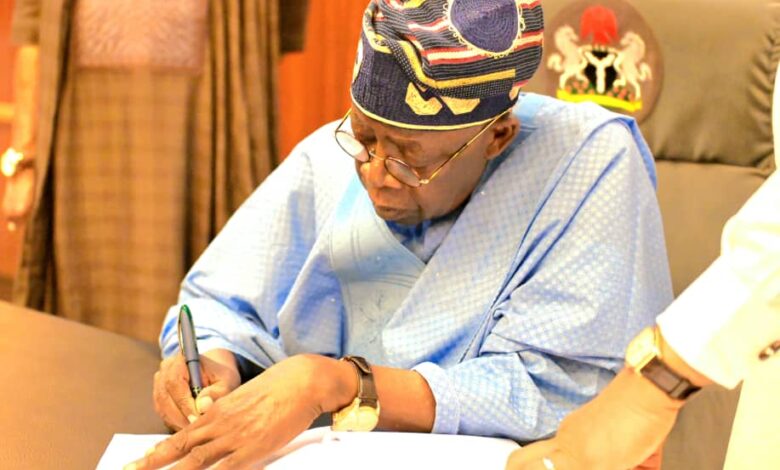

Nigeria has launched a major regulatory overhaul of its digital economy, with President Bola Tinubu signing an executive order to clamp down on crypto fraud and harmonise oversight of virtual assets.
The Presidential Executive Order on Virtual Assets Coordination takes effect immediately, aiming to unite federal agencies that have previously operated in silos while tackling risks such as money laundering, terrorism financing, and tax evasion.
The move follows years of fragmented regulation in Nigeria—one of the world’s fastest-growing cryptocurrency markets—where fraudulent and unregistered operators have frequently exploited regulatory loopholes to defraud citizens.
A new oversight council
Rather than creating a new government regulator, the executive order establishes a Virtual Asset Council to coordinate existing bodies.
The council will be structured as follows:
- Chair: The Central Bank of Nigeria (CBN).
- Vice-Chairs: The Nigeria Revenue Service (NRS) and the Securities and Exchange Commission (SEC).
- Members: The Nigerian Financial Intelligence Unit (NFIU) and the Office of the National Security Adviser (ONSA).
Under the new framework, the SEC will handle assets classified as securities, while the CBN will oversee payments, settlements, and custody services involving non-security virtual assets.
Taxing crypto and testing innovation
As part of the rollout, the Nigeria Revenue Service (NRS) is set to release a specific tax policy for the virtual assets sector to ensure operators “contribute fairly to national revenue.”
Concurrently, the Central Bank of Nigeria will launch a “regulatory sandbox”—a controlled, live testing environment where eligible crypto and blockchain firms can operate under close monitoring before launching to the general public.
The newly formed council has been given a 30-day deadline to deliver a harmonised implementation framework to fast-track the new directives.

Add Comment