

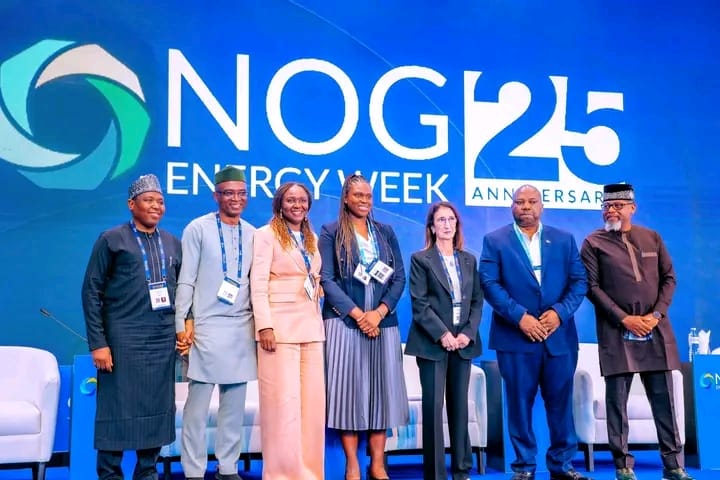
ABUJA, Nigeria — African energy leaders have urged regional governments and international investors to fast-track cross-border infrastructure projects, warning that Africa’s vast natural gas export potential risks being choked by a lack of pipelines and processing facilities. Speaking at a strategic panel during the 25th NOG Energy Week in Abuja, Olalekan Ogunleye, Executive Vice President for Gas, Power, and New Energy at Nigeria’s state oil firm, NNPC Ltd, said that deep regional integration is the only way for the continent to reliably meet rising global demand.
“Accelerating the delivery of cross-border pipeline projects, expanding midstream infrastructure, and fostering strong partnerships among governments and investors are essential,” Ogunleye told delegates on Wednesday. He argued that these steps are critical not just for export revenues, but for unlocking domestic industrial growth and securing energy across the continent.
Pipelines and Global Ambitions
The debate comes at a crucial time for Africa’s energy landscape. European buyers have increasingly looked to Africa to diversify their gas supplies, yet the continent’s major infrastructure projects face persistent funding and regulatory hurdles. Among the high-stakes ventures currently on the table is the proposed multi-billion-dollar African-Atlantic Gas Pipeline (AAGP), formerly known as the Nigeria-Morocco pipeline, which aims to link Nigeria’s massive reserves through 13 West African nations all the way to Europe. The complexity of pulling off such pan-African infrastructure projects was reflected in the panel’s lineup, which featured key regional decision-makers:
Amina Benkhadra, Director General of Morocco’s National Office of Hydrocarbons and Mines (ONHYM), which is co-leading the coastal pipeline initiative.
Abbey Bodunrin, Managing Director of the West African Gas Pipeline Company Limited (WAPCo), which already operates the existing regional network linking Nigeria to Benin, Togo, and Ghana.
Ed Ubong, Coordinating Director of Nigeria’s ‘Decade of Gas’ Initiative, a government-backed framework designed to position gas as the country’s primary economic driver.
Industry analysts emphasize that while regional coordination has improved, unlocking billions of dollars in international capital will require West African nations to harmonize their regulatory frameworks and offer clearer investment guarantees.


Add Comment