

ABUJA — The Nigerian government has introduced strict new limits on routine cash advances for public officials in a bid to curb waste and improve financial accountability across its ministries, departments, and agencies.
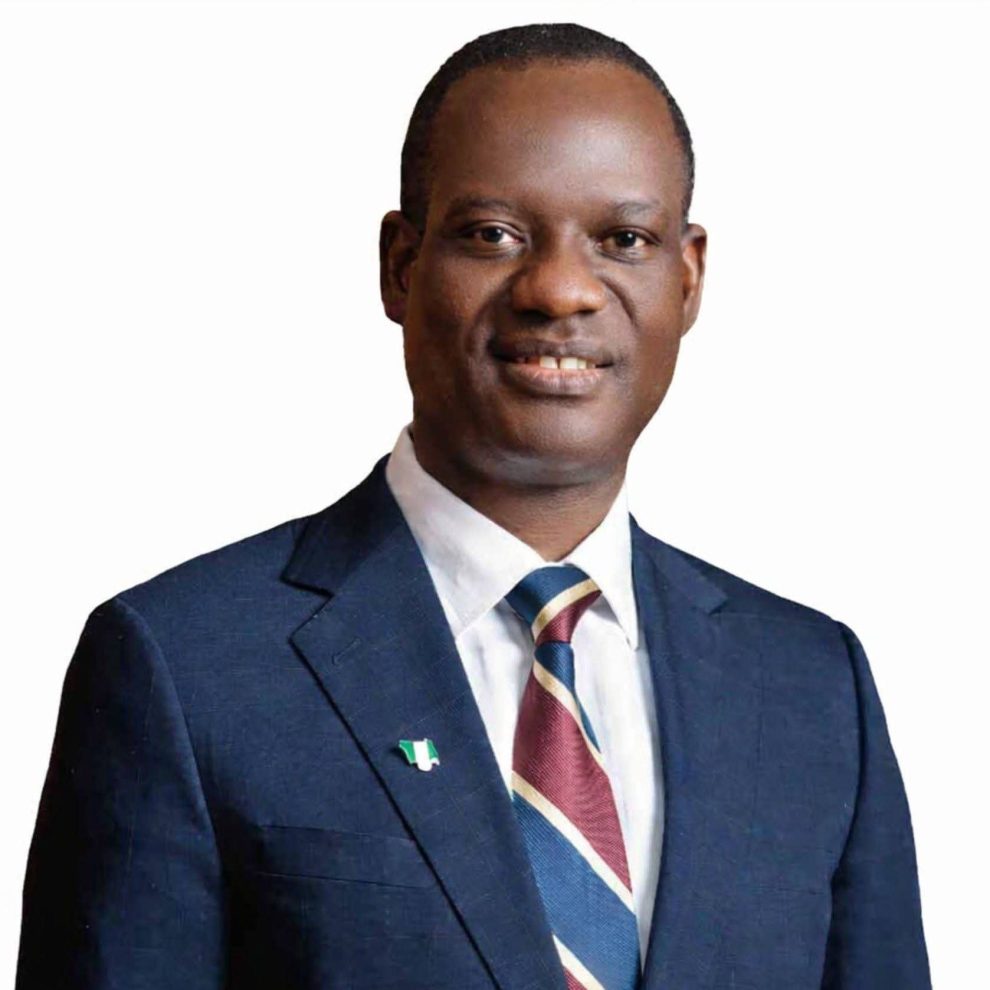
The new measures are detailed in the 2026 Annual General Imprest Warrant, signed by Finance Minister Taiwo Oyedele. They have been distributed via a Federal Treasury Circular issued by the country’s Accountant-General, Shamseldeen Ogunjimi.
Under the new guidelines, which take effect immediately, spending caps have been placed on “imprest”—the cash advances given to officials to cover minor, urgent administrative expenses without going through formal procurement processes.
Ministers are now restricted to a maximum reimbursable cash advance of 700,000 naira ($460). Permanent secretaries and directors-general are limited to 500,000 naira, directors and heads of departments to 300,000 naira, and heads of regional formations in states to 100,000 naira.
In a further tightening of fiscal controls, the government has limited how often these funds can be replenished, restricting reimbursements to once per quarter, or a maximum of twice if an urgent need arises. Furthermore, any local public procurement exceeding one million naira must now be executed through formal contract awards rather than cash advances, in line with Nigeria’s Public Procurement Act.
To ensure compliance, the Accountant-General’s office has given all self-accounting government bodies 30 days to submit detailed returns. These must include proof of how last year’s cash allocations were retired, alongside an official registry of authorized fund holders for 2026.
Officials holding these funds are also required to operate dedicated operational bank accounts aligned with the federal electronic payment policy, with monthly expenditure reports mandated for submission to the treasury.
Accountant-General Ogunjimi warned that the Treasury Inspectorate Department will conduct routine inspections throughout the financial year to enforce the rules. Officials found violating the guidelines risk having their spending rights revoked and facing further administrative sanctions.
Nigeria has long struggled with weak documentation and delays in the retirement of cash advances, issues frequently flagged by state audit reports as loopholes for the misuse of public funds. The latest directives build on wider public financial reforms, including the expansion of electronic payment platforms and the Treasury Single Account (TSA) policy, aimed at improving transparency and securing better value for money in public spending.


Add Comment