
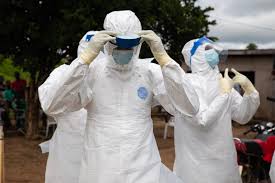

ABUJA, Nigeria — The federal government has intensified health screenings across all international airports, seaports, and land borders in an effort to prevent a strain of the Ebola virus from entering the country.
Under the new directives, any traveller identified as high risk or displaying symptoms associated with viral haemorrhagic fevers will undergo immediate secondary screening, isolation, and medical referral.
The emergency border measures follow growing international concern over an ongoing outbreak of the rare Bundibugyo strain of Ebola in parts of East and Central Africa.
In a statement released on Tuesday, 2 June 2026, the Federal Ministry of Health and Social Welfare confirmed that there are currently no suspected or validated cases of Ebola within Nigeria. Still, it stated that heightened national preparedness protocols have been fully activated.
A Return to Health Surveillance
The sudden introduction of infrared thermal scanners, handheld thermometers, and mandatory travel history declaration forms marks a return to the strict border surveillance tactics last seen during the COVID-19 pandemic and the 2014 West African Ebola crisis.
The health ministry has instructed hospitals and clinics nationwide to maintain a “high index of suspicion” for haemorrhagic fevers, establish secure triage areas, and immediately report any unusual clusters of illness.
While urging the public not to panic, health officials have advised citizens to:
- Maintain rigorous personal hand hygiene.
- Avoid direct contact with the bodily fluids of anyone showing symptoms of illness.
- Refrain from handling dead animals or bushmeat from unknown sources.
Parliament Sounds Alarm Over NCDC Funding Crisis
Despite the government’s public assurances, Nigeria’s parliament has warned that the country’s frontline health defense system is dangerously compromised due to a severe domestic funding crisis.
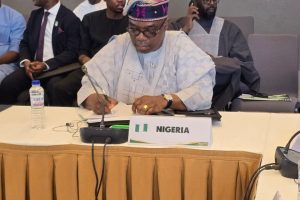
On Tuesday, the House of Representatives adopted an urgent motion revealing that the Nigeria Centre for Disease Control (NCDC)—the agency tasked with stopping the virus at the border—is financially crippled.
Lawmakers disclosed that the NCDC received zero operational funding throughout 2025 and has yet to receive any capital releases from its approved 2026 national budget allocation.
The financial shortfall has left the central disease laboratory struggling with acute shortages of basic diagnostic materials, stalled treatment centre projects, and mounting unpaid debts to contractors.
“Laboratory reagents, consumables, and other materials critical for outbreak screening and diagnosis are almost completely out of stock,” warned Amobi Ogah, the lawmaker who sponsored the motion. “How then can the preparedness of the centre for emergencies be guaranteed?”
The Shadow of 2014
The current crisis comes exactly 12 years after Nigeria won global praise for its rapid, textbook containment of an imported Ebola case in 2014, a feat achieved through aggressive contact tracing and well-funded isolation hubs.
Public health experts have repeatedly warned that maintaining a world-class response capability requires consistent state funding rather than a reliance on dwindling international donor support.
Following a heated legislative debate, the House of Representatives ordered the executive arm of government to immediately release all remaining appropriated funds to the NCDC to allow the agency to restock its laboratories and manage border surveillance efficiently.



Add Comment