

INEC Warns Transporters Over Election Day ‘Sabotage’ Ahead of Ekiti Poll
ADO-EKITI, Nigeria — Nigeria’s electoral umpire has issued a stern warning to commercial transport unions, vowing to arrest and prosecute any operators who sabotage logistics during the upcoming Ekiti State off-cycle governorship election.
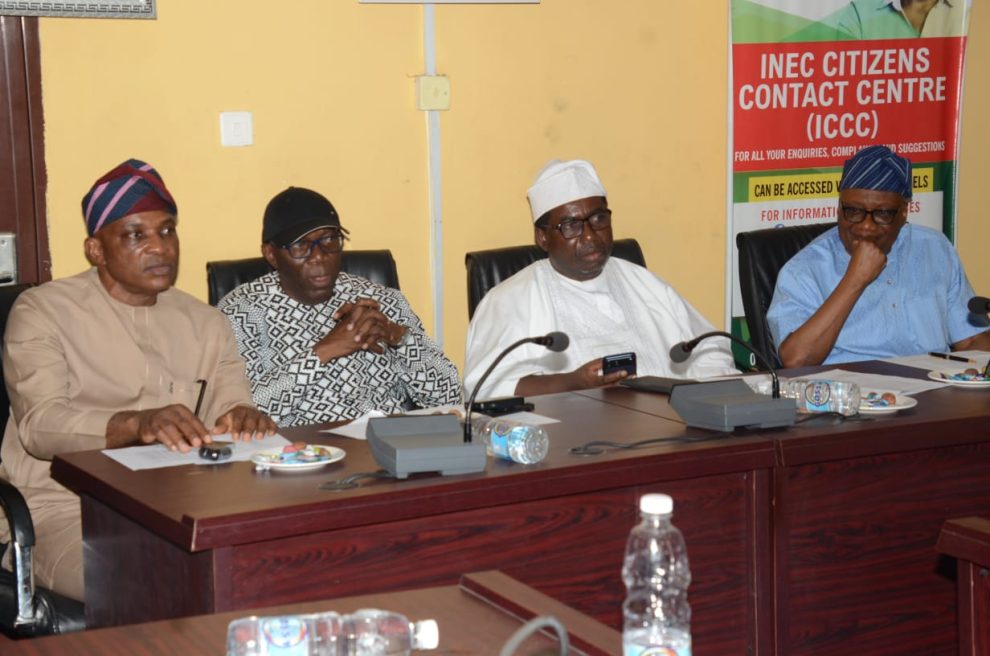
Speaking at a crucial stakeholders’ meeting on Thursday, the Chairman of the Independent National Electoral Commission (INEC), Professor Joash Amupitan, warned union leaders that a failure to deploy functional vehicles could completely derail the June 20 ballot. He asserted that an election “can only be as good as its transport logistics.”
The warning follows historical friction where contracted drivers have held the commission to ransom on election mornings, refusing to move vital voting materials to polling stations until emergency cash payments were distributed.
A Legally Binding Contract
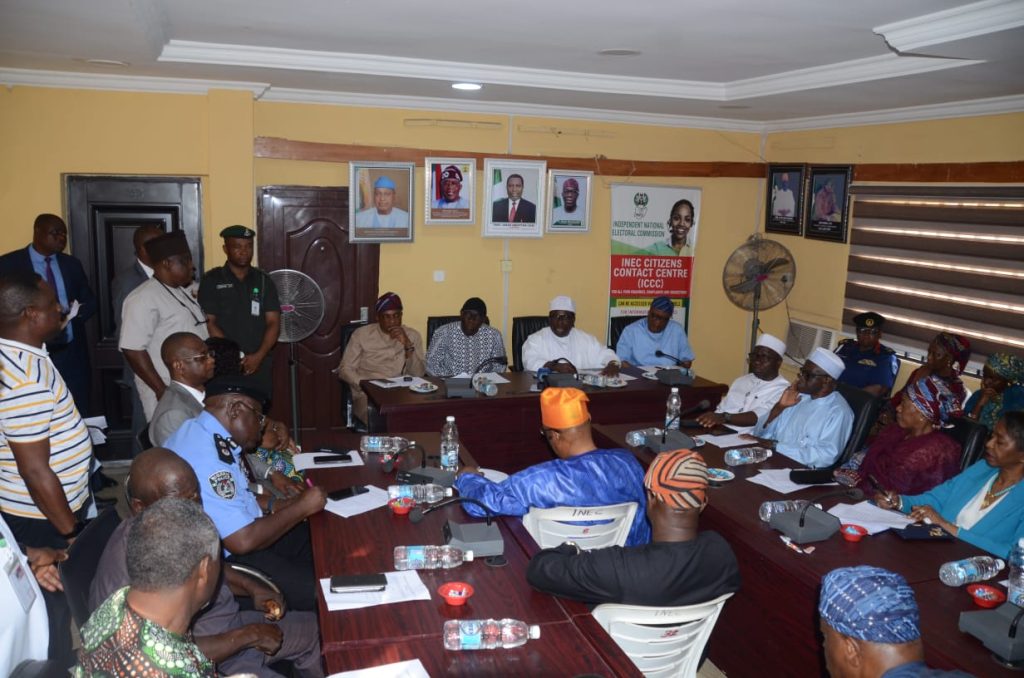
A high-powered delegation of INEC National Commissioners, led by Professor Sani Adams, made it clear that the commission would treat logistics failures not merely as administrative delays, but as criminal breaches of contract.
Professor Adams warned that drivers must not abandon ad-hoc staff or sensitive materials in the field after voting concludes, reminding unions that “reverse logistics”—the safe return of personnel and ballot boxes to counting centres—is a mandatory clause in their agreement.
“This is a contract between Nigerians and your union. It is not about INEC. The entire world is watching,” Professor Adams told the transport representatives. “Please don’t bring vehicles that do not meet specifications. We don’t want a situation where the drivers hold us to ransom on election day insisting on being paid before moving.”
Denying Ammunition to International Observers
Professor Amupitan voiced serious concerns about the union’s history of inflating their capacity, pointing out that transport executives regularly overcommit to contracts, don’t provide the required number of vehicles, and rely on last-minute rentals of badly maintained private vehicles.
The INEC chief urged the unions to be brutally honest about their operational limits to avoid a repeat of logistical failures seen in previous regional polls, such as the Anambra election.
The push for logistical perfection is directly tied to managing international perceptions. Professor Amupitan noted that accredited local and foreign observers typically monitor fewer than 100 polling units but often base their entire verdict on those limited, often negative, snapshots.
“We must not give them any negative thing to report about the elections. Let them look for it and not find it,” the chairman stated. “Tell us what you can do and what you cannot do. Don’t lie to us.”
Inter-Union Rivalry Sparks Fears
The success of the deployment is further complicated by an active turf war breaking out between the National Union of Road Transport Workers (NURTW) and the National Association of Road Transport Owners (NARTO) over the allocation of the lucrative election contract.
Addressing the commission, Olayioye Adesina, Head of Organization and Industrial Relations at the NURTW headquarters in Abuja, demanded that NARTO be entirely excluded from operations in Ekiti.
Mr. Adesina claimed that NARTO has no functional fleet in Ekiti State and warned that any logistical failures caused by it would unfairly tarnish the NURTW’s reputation. Despite the internal rancour, the NURTW executive assured the commission that his union would ultimately fulfill its obligations to ensure a seamless deployment in the overall interest of the Nigerian electorate.


Add Comment