
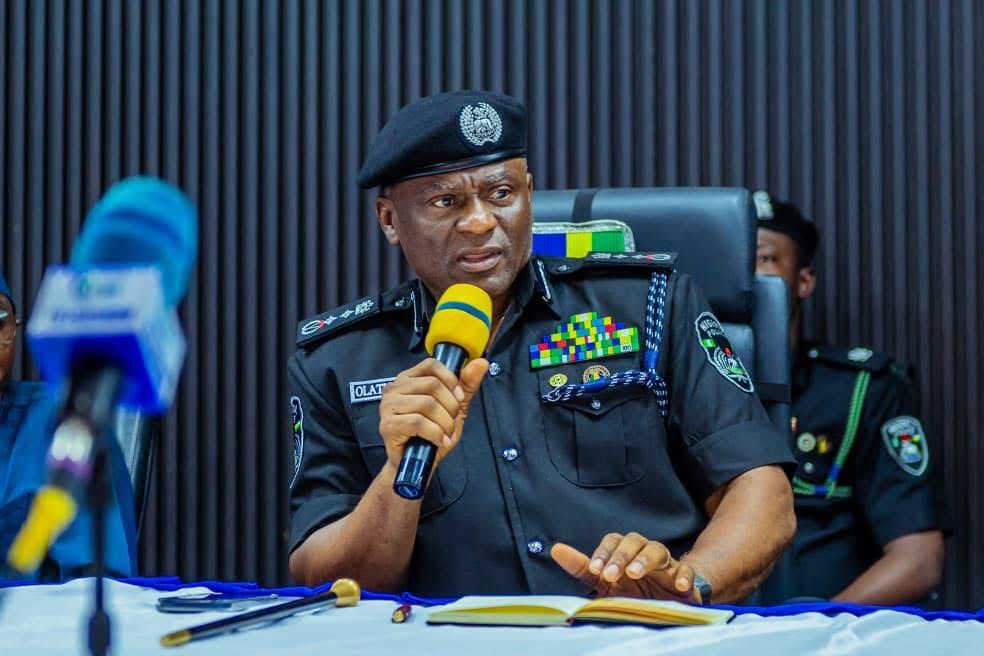

Nigeria’s Inspector General of Police, Olatunji Disu, has promised to provide security for his own retired officers should they choose to stage protests against the government over unpaid pensions.
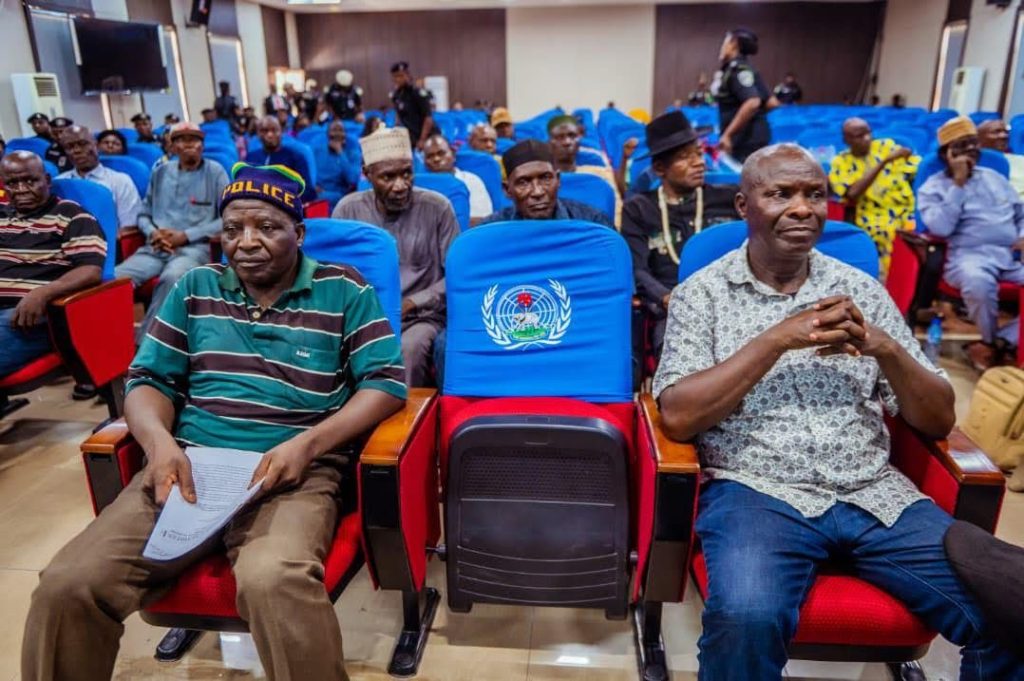
Following a high-level meeting in Abuja on Monday with a delegation of police veterans, the Inspector General (IGP) admitted that the current system of pensions and gratuities had become a “pressing matter” that demands urgent intervention from the highest levels of the state.
Crucially, Mr. Disu offered the retirees two distinct paths for their grievances: he pledged to act as a personal “executive liaison” to President Bola Tinubu, while simultaneously guaranteeing that any peaceful demonstrations by the veterans would be protected, rather than suppressed, by active-duty officers.
‘Direct Advocacy’ to the Presidency
The IGP’s intervention comes at a time of mounting frustration among Nigeria’s retired security personnel, many of whom claim to have been left in financial limbo by the country’s contributory pension scheme.
The IGP’s Three-Point Pledge:
- Executive Petitions: The police chief has invited retirees to submit formal petitions, which he has vowed to personally present to the President to advocate for the signing of a new pension bill.
- Protest Protection: In a rare departure from the Force’s traditional stance on civil demonstrations, the IGP assured veterans that their “right to civic expression” would be fully respected.
- Legacy Recruitment: Plans were announced to facilitate employment opportunities for the children of retired officers during future police recruitment exercises as a “gesture of appreciation.”
Analysis: A Union in All But Name?
It is highly unusual for a sitting head of a national security agency to openly endorse the idea of its former members taking to the streets. By doing so, IGP Olatunji Disu is walking a delicate political tightrope.
On one hand, he is positioning himself as a “welfare-first” leader, boosting the morale of current officers who are looking toward their own futures. On the other hand, he is sending a clear signal to the federal government that the current pension framework is failing those who have served. By offering to personally deliver petitions to the President, the IGP is effectively turning his office into a bridge between the disgruntled “rank and file” of the past and the political executive of the present.
A Question of Dignity
“The dignity and financial security of retired officers are non-negotiable,” Mr. Disu told the delegation. He urged the veterans to maintain a “balanced perspective” while he navigates the complex administrative channels required to unlock the funds.
The promise of preferential treatment for the children of retirees in future recruitment cycles is also a significant development. Critics may argue it risks entrenching a “dynastic” police force, but for the veterans, it is seen as a tangible form of social security in a country where youth unemployment remains a critical driver of instability.
As the retirees prepare their formal petitions, all eyes in Abuja will be on the Presidency to see if this direct advocacy from the Force Headquarters will finally break the deadlock over the long-delayed pension reforms.



Add Comment