
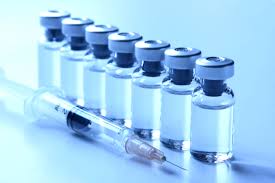

Nigeria is set to ramp up its production of vaccines and essential medicines following a €50m ($54m) agreement between the European Investment Bank (EIB) and the Bank of Industry (BOI).
The deal, signed in Abuja on Monday, aims to transform Nigeria from a major importer of healthcare products into a regional manufacturing hub. Currently, Africa’s most populous nation relies heavily on foreign imports for everything from basic painkillers to life-saving vaccines.
The funding will be channeled through the Bank of Industry as long-term “patient capital,” providing low-interest loans to Nigerian companies specialized in pharmaceuticals, diagnostics, and medical devices.
Ending ‘import dependency’
The agreement comes as part of the European Union’s “Global Gateway” strategy—a multi-billion euro initiative designed to strengthen global supply chains and offer an alternative to Chinese infrastructure investment in Africa.
“This partnership marks a pivotal step in Nigeria’s journey from being a major importer… to becoming a competitive producer,” said Dr. Olasupo Olusi, the Managing Director of the Bank of Industry.
He added that the move was not just a public health necessity but a “strategic economic opportunity” that would create high-quality jobs and improve the country’s trade balance.
A continental goal
The investment aligns with an ambitious target set by the African Union to produce 60% of the continent’s vaccines and essential medicines locally by the year 2040.
During the height of the Covid-19 pandemic, many African nations struggled to secure supplies as wealthier countries prioritized their own populations—a crisis that sparked a renewed drive for “health sovereignty” across the continent.
EU Commissioner for International Partnerships, Jozef Sikela, said the investment was about building resilience. “We are investing so that Nigeria can produce more of what it needs at home… instead of relying on imports,” he stated.
Analysis: A test for Nigerian industry
While the €50m credit line is a significant injection of capital, the success of the project will depend on addressing Nigeria’s long-standing industrial challenges, including erratic power supply and complex regulatory hurdles.
However, by partnering with the EIB, which has invested over €2.3bn in Nigeria since 1978, the Nigerian government hopes to signal to private investors that the country’s healthcare sector is a “safe bet.”
The project is also expected to benefit the wider West African region, with Nigerian-made medical products potentially being exported to neighboring countries under the African Continental Free Trade Area (AfCFTA).



Add Comment