
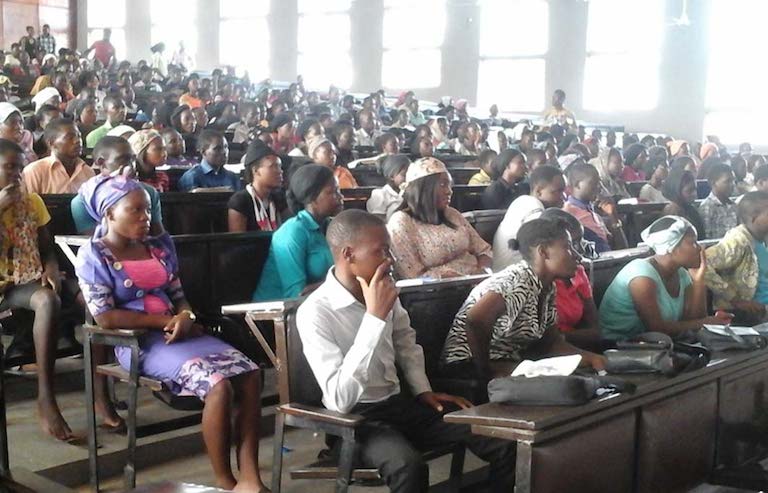

The Nigerian government has approved ₦48bn ($30m) to modernize engineering workshops and laboratories across 12 universities, a move aimed at tackling the country’s technical skills gap. The investment, highlighted by the Tinubu Media Volunteers (TMV), is part of a broader strategy to transition Nigeria’s higher education from theoretical learning to industry-ready practical competence.
Nigeria to invest ₦48bn in university engineering hubs
The upgrade will see the rehabilitation of aging faculties and the installation of “cutting-edge” equipment. Government officials say the project is designed to position Nigerian universities as regional hubs for innovation and problem-solving.In a statement, the TMV noted that the intervention is “timely and desirable,” arguing that modernizing these facilities is essential for economic diversification and ensuring Nigerian graduates can compete in a global technological landscape.
A broader push for education reform
The engineering upgrade is one of several recent capital injections into Nigeria’s struggling education sector. The federal government recently announced it has unlocked $552m through the “Hope-Edu” programme.
Key details of the Hope-Edu initiative include:
Partnerships: Co-financed by the World Bank and the Global Partnership for Education.
Scope: Targeted at basic education reform across all 36 states.
Goal: Aligning primary and secondary learning with the “Nigeria Education Sector Renewal Initiative.”
The Context
Nigeria has long grappled with a “brain drain” and a mismatch between university curricula and the needs of the private sector. By investing in physical infrastructure and high-tech workshops, the administration aims to curb the reliance on foreign expertise for domestic engineering projects. Education Minister Tahir Mamman previously described the initiative as a “strategic necessity” to ensure that the nation’s youth are equipped for the demands of the 21st-century economy




Add Comment