


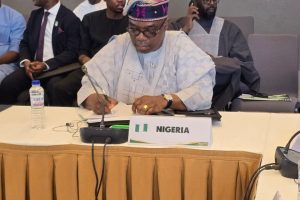
A long-dormant industrial giant in central Nigeria is set for a multi-billion naira transformation, as officials greenlight a new economic city designed to turn the region into a West African manufacturing powerhouse. The Governor of Kogi State, Ahmed Ododo, announced on Thursday that the Ajaokuta Economic City is slated to begin operations this year. The ambitious project, which includes the Kogi-Hunan Free Trade Zone, is expected to break ground in the second quarter of 2026. The move follows official designation from the Nigeria Export Processing Zones Authority (NEPZA), providing the 4,000-hectare site with the legal status required to offer tax incentives and streamlined customs to international investors.
A ‘historic turning point’
Ajaokuta has long been synonymous with Nigeria’s stalled industrial ambitions. Home to a massive, Soviet-built steel plant that has languished for decades, the area is now being repositioned as a diversified “Economic City.””Today is historic for our people,” Governor Ododo said during a ceremony in the capital, Abuja. He described the project as a “catalyst for economic transformation” that would finally leverage the state’s vast mineral wealth, including coal, iron ore, lithium, and gold. The Governor added that the zone would benefit from Kogi’s unique geography:
Strategic Location: The only state in Nigeria bordering 10 other commercial hubs, including the Federal Capital Territory.
Mineral Wealth: Home to over 30 solid minerals found in commercial quantities.
Infrastructure: Renewed federal efforts to revive the existing Ajaokuta steel plant to work in tandem with the new trade zone.
Industrial diplomacy
The project carries a significant international dimension, specifically through the Kogi-Hunan partnership, signaling continued Chinese interest in Nigeria’s manufacturing and mining sectors. NEPZA Managing Director Olufemi Ogunyemi cautioned that while the license is a milestone, “the road does not end here.” He noted that the site has the potential to become one of Nigeria’s most successful free trade zones, joining a network of 46 such zones across the country aimed at reducing Nigeria’s dependence on oil exports.
Why this matters
For decades, Nigeria has struggled to kickstart its industrial sector. If successful, the Ajaokuta Economic City could:
Generate thousands of local jobs in a region currently facing high unemployment; attract foreign direct investment (FDI) by offering a “one-stop-shop” for regulatory approvals; modernize the steel sector, which is vital for Nigeria’s infrastructure and construction needs.
Critics, however, remain cautious. Previous attempts to revive the Ajaokuta complex have been hampered by legal disputes and technical challenges. Governor Ododo insists this time is different, noting that investors are already on-site assessing the facilities.”Before the end of this year, Ajaokuta will be up and running,” he promised.


Add Comment