
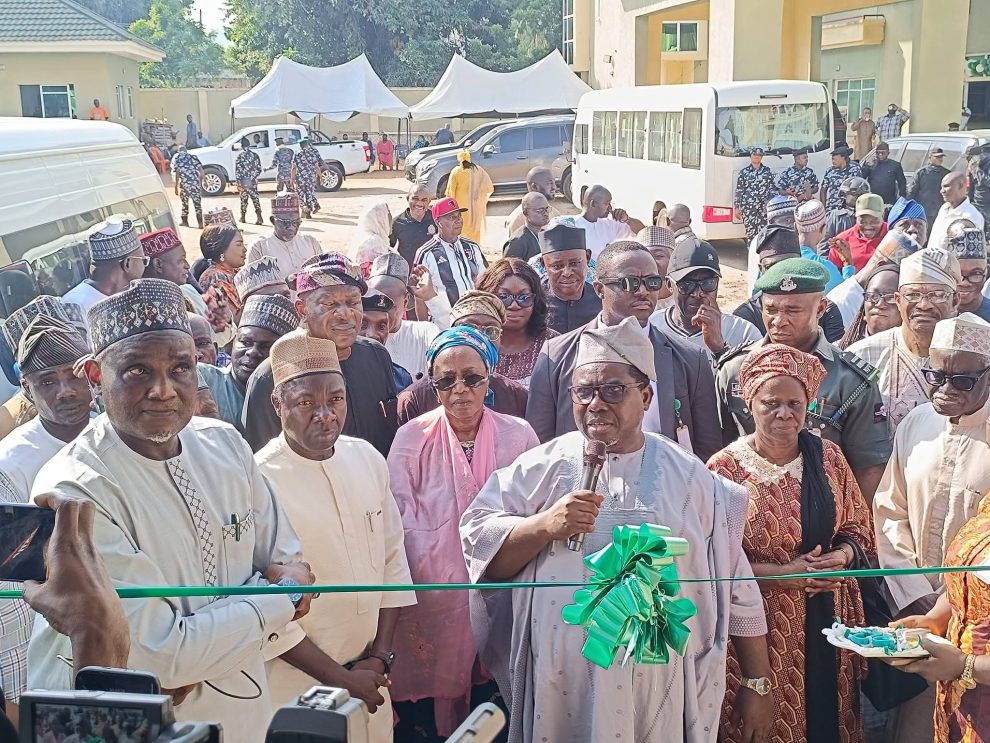

LOKOJA, Nigeria — Nigeria’s election chief has inaugurated a dedicated storage and maintenance facility for voting technology in central Kogi State, as part of nationwide preparations for crucial general elections early next year.
Professor Joash Amupitan, Chairman of the Independent National Electoral Commission (INEC), opened the site in the state capital, Lokoja, on Thursday.
The building is designed to house and protect thousands of Bimodal Voter Accreditation System (BVAS) devices—the biometric handheld readers central to identity verification and result transmission in Nigerian elections. Improper storage and inadequate cooling systems have previously led to hardware degradation and battery decay in the equipment. Electoral officials say dedicated climate-controlled units across Nigeria’s 36 states are essential to ensuring device reliability when polls open. Nigeria’s next general election is scheduled to take place across two dates: 16 January and 6 February 2027. The administrative scale is immense, with the national voter register currently standing at over 103 million citizens.
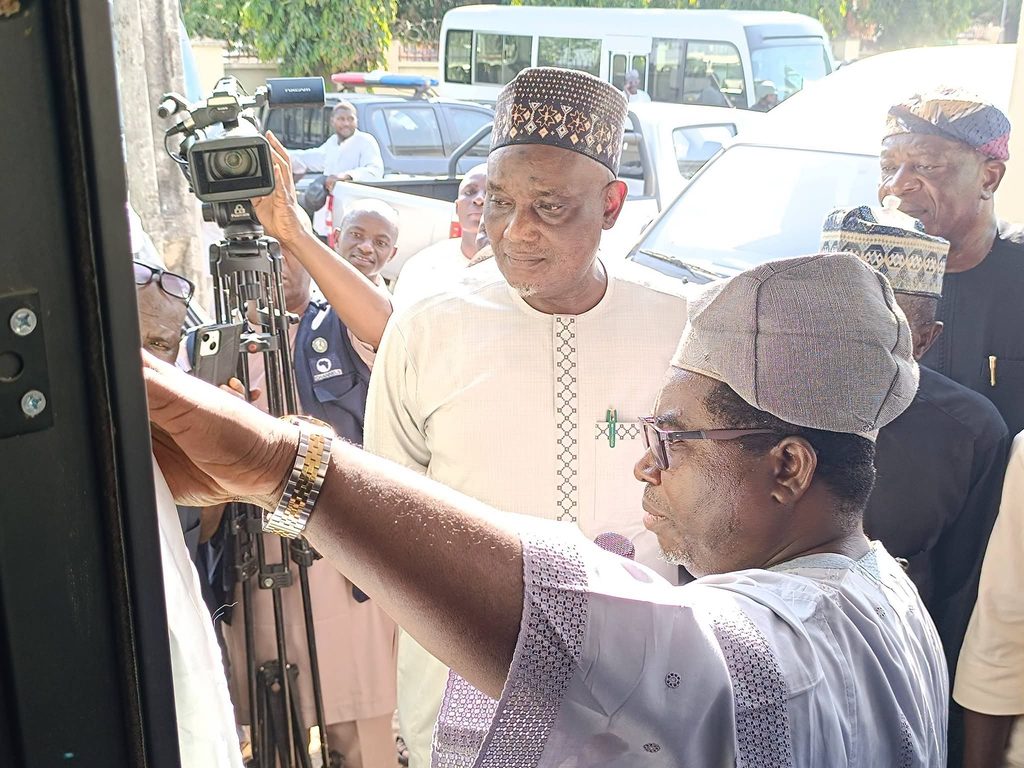
Speaking at the commissioning, Prof. Amupitan said the Lokoja site was part of broader measures to strengthen election technology and audit infrastructure ahead of the polls.”The Commission will continue working to address operational requirements and ensure technology is effectively deployed,” he said, confirming that nine of the 14 major operational milestones on the election timetable have now been completed.
Seeking Royal Support to Curb Violence and Deepfakes
The facility launch formed part of a broader readiness assessment tour across Nigeria’s North-Central region. During the visit, Prof. Amupitan held talks with the Kogi State Council of Traditional Rulers, appealing to community leaders to assist electoral authorities in three key areas: voter turnout, peacebuilding, and information integrity.
Addressing a delegation led by the Attah Igala, Matthew Akpa, and the Ohinoyi of Ebiraland, Ahmed Muhammad, the INEC chief urged royal fathers to use their moral authority to discourage political thuggery among local youth. He also warned of sophisticated digital threats, specifically highlighting the risk posed by artificial intelligence-generated deepfakes and coordinated online disinformation campaigns designed to disrupt the vote.”Traditional institutions remain critical partners,” Prof. Amupitan noted, urging rulers to help verify election-related information before it spreads through rural communities.
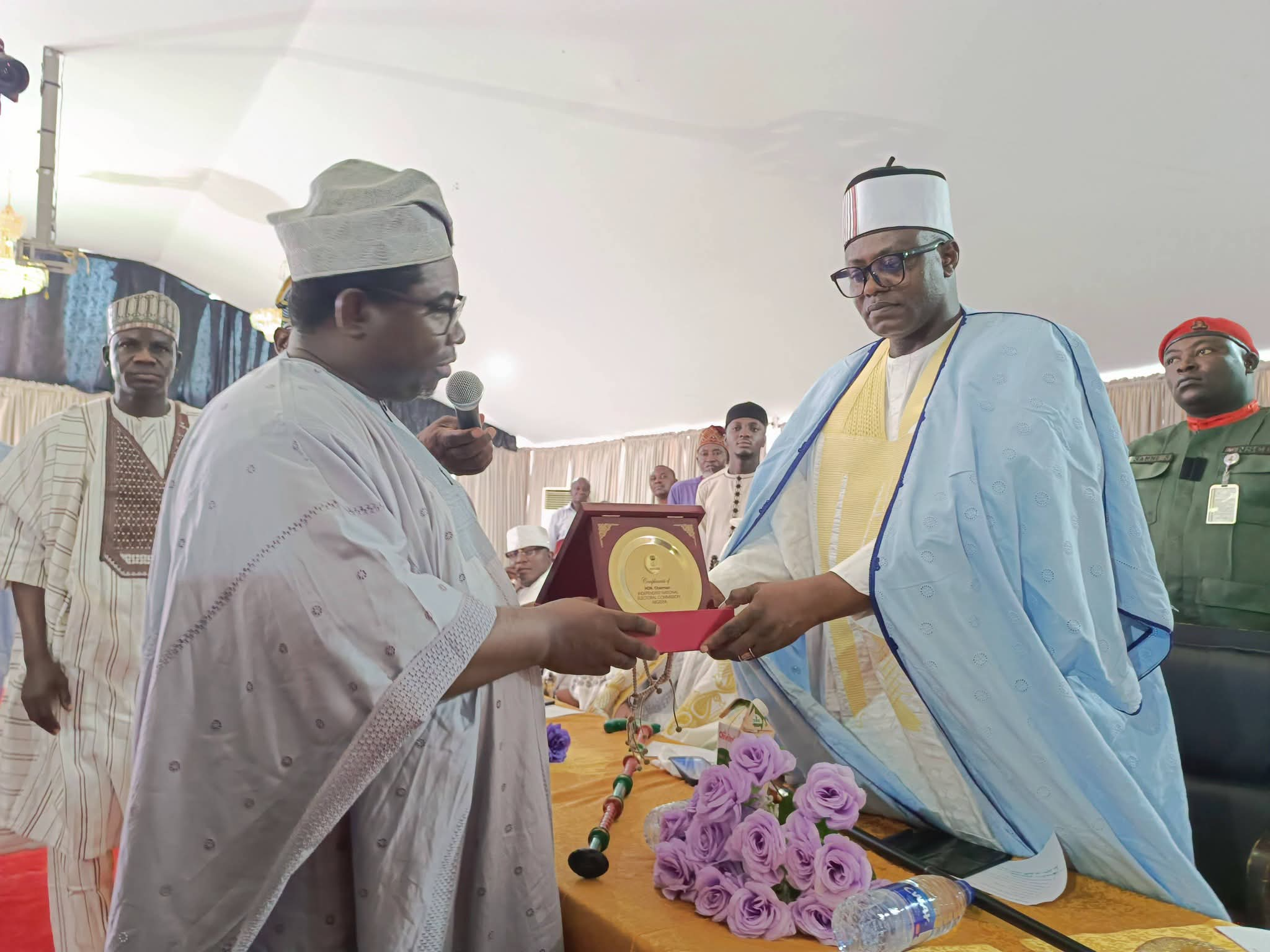
Responding on behalf of the council, the Ohinoyi of Ebiraland pledged support for peaceful elections while calling on the commission to strictly uphold transparency, neutrality, and the rule of law.
Internal Audits and Logistics
Closing out his tour, Prof Amupitan met with local polling staff at the state collation centre in Lokoja. Resident Electoral Commissioner for Kogi State, Shehu Wahab, assured leadership of “zero tolerance for partisanship,” while staff representatives highlighted the need for sustained logistics support and staff welfare to safeguard staff integrity against external political pressure.
Nigeria’s electoral body faces intense scrutiny following past logistical delays and technological hitches. Officials maintain that early field-level preparations—combining hardware protection, community engagement, and security coordination—are vital to delivering a credible vote in 2027.


Add Comment