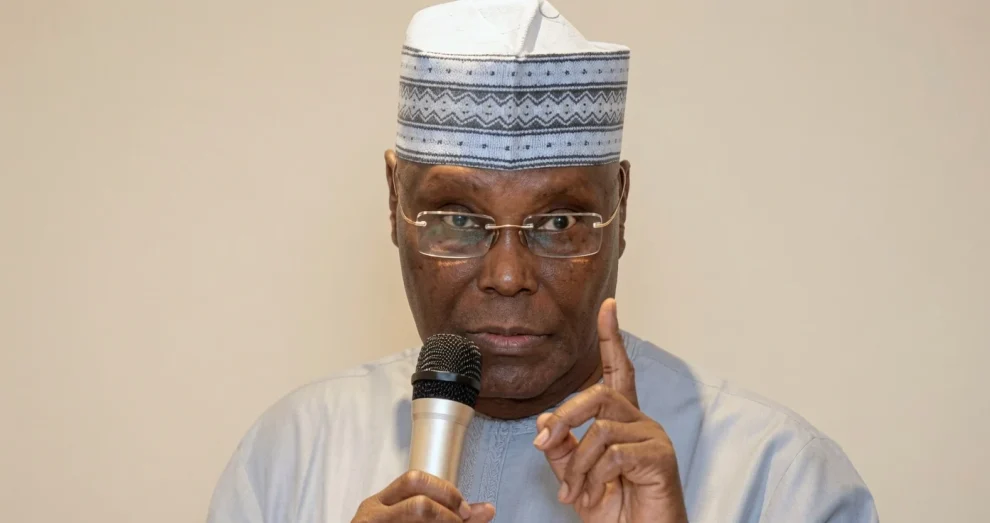

ABUJA, Nigeria — A policy research group has warned that a proposal by opposition presidential candidate Atiku Abubakar to reinstate fuel subsidies would result in a daily revenue loss of at least ₦12 billion ($8.5 million) due to cross-border smuggling.
The Independent Media and Policy Initiative (IMPI) released an economic analysis stating that the plan—which proposes a “production-side crude discount”—would severely damage Nigeria’s public finances and drain state revenue.
In a statement signed by IMPI Chairman Dr Omoniyi Akinsiju, the think-tank noted that while deregulated fuel consumption stands at approximately 45 million litres per day, lowering prices through subsidies would artificially surge demand to between 60 million and 65 million litres daily due to smuggling into neighboring countries like Benin, Togo, Niger, and Cameroon.
According to the group’s calculations, a subsidized pump price of ₦500 per litre—compared to a realistic landed cost of ₦1,100—creates a ₦600 per litre state discount. At an estimated 20 million litres smuggled across land borders each day, direct fiscal losses would reach ₦12 billion daily, or roughly ₦4.38 trillion ($3.12 billion) annually. IMPI highlighted that feeding cross-border smuggling under such a regime would consume 126,000 barrels of crude daily—representing nearly 15 percent of Nigeria’s total state equity crude—diverting critical funds from the Federation Account Allocation Committee (FAAC) pool away from national development.
The think-tank warned that reinstating price support mechanisms would cause artificial local fuel shortages, prolong filling station queues in border states, and encourage illicit trading practices across the region.

Add Comment