
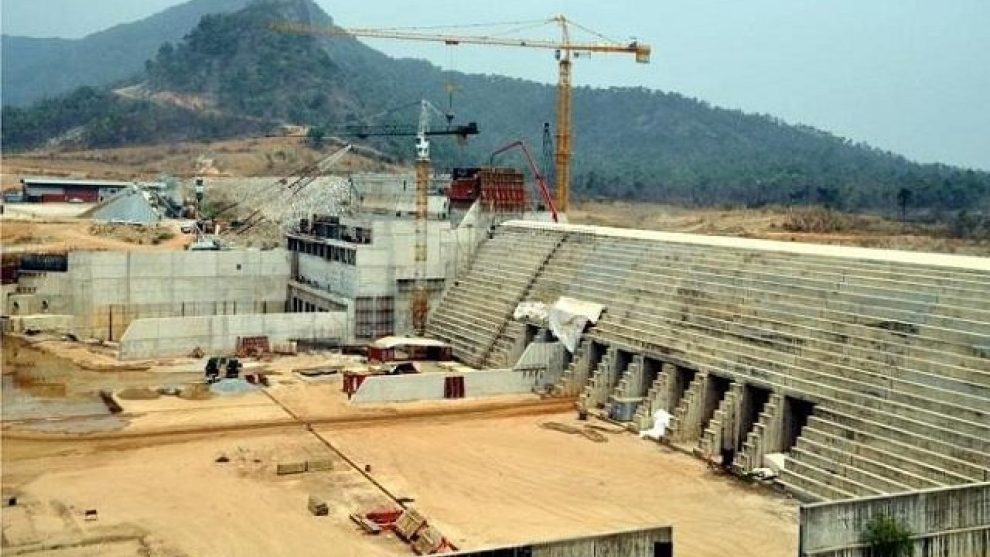

Nigeria’s victory in a multi-billion-dollar international arbitration case will safeguard public finances and help unlock one of Africa’s largest delayed infrastructure projects, a political advocacy group has said.
The Tinubu Stakeholders Forum (TSF) hailed a decision by the International Chamber of Commerce (ICC) tribunal to dismiss claims by Sunrise Power and Transmission Company over the long-disputed Mambilla Hydropower Project. The tribunal rejected Sunrise Power’s primary claim of $2.35bn (£1.8bn), as well as a secondary $400m claim linked to an alleged settlement agreement.
In total, related proceedings had exposed the West African nation to potential liabilities exceeding $3.38bn.In a joint statement issued by Chairman Ahmad Sajoh and Secretary Danjuma Sada, the TSF said the ruling removes a decades-long legal obstacle hanging over the country’s energy sector.
“For Nigeria’s economy, the decision represents the avoidance of a potentially substantial financial liability, the recovery of legal costs and, potentially, the removal of a long-standing legal obstacle to one of the country’s most ambitious power projects,” the group said. Situated in eastern Taraba state, the proposed 3,050-megawatt Mambilla plant has long been considered critical to addressing Nigeria’s chronic electricity shortages, but progress has been repeatedly stalled by legal battles and contractual disputes. The group noted that the ruling arrives as the Nigerian government undertakes a structured plan to clear roughly ₦3.3tn ($2.1bn) in legacy debts within the domestic power market—a financial obligation smaller than the single arbitration claim now defeated.”Eliminating this major liability prevents a massive financial drain, giving the government the necessary fiscal headroom to address inherited obligations and focus on sustainable power sector reforms,” the statement added.
TSF urged the federal government to leverage the legal victory to restart development on the Mambilla site, arguing that a expanded national power grid would boost manufacturing, agriculture, and broader economic growth.



Add Comment