

A leading governance and public advocacy group has warned that Nigeria’s newly introduced tobacco tax policy will achieve little without aggressive enforcement, transparent revenue tracking, and strict sanctions against tax evasion and illicit trade.
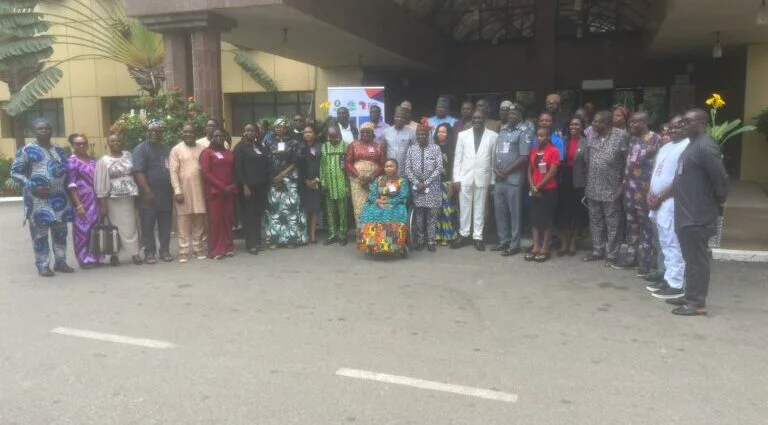
Speaking on Wednesday in Abuja at the Second National Tobacco Tax Summit, Auwal Rafsanjani, Executive Director of the Civil Society Legislative Advocacy Centre (CISLAC), stated that simply raising tax rates on paper would not deter consumption or safeguard public health if industry abuses remain unchecked.
“A strong tobacco tax policy on paper means very little if enforcement is weak, revenue administration is opaque, and powerful interests are allowed to undermine implementation,” Mr. Rafsanjani said. “The success of tobacco tax policy should not be measured only by revenue generated but also by the number of lives protected and diseases prevented.”
He urged the federal government to protect public health policymaking from corporate lobbying and demanded full transparency regarding tax compliance and revenue collection.
Representing the Minister of Finance and Coordinating Minister of the Economy, Taiwo Oyedele, Assistant Director Sarah Bwala confirmed that the federal government has launched a new tobacco tax regime spanning 2026 to 2028, featuring progressive increases in specific excise tax rates in line with World Health Organization (WHO) standards.
Key commitments and perspectives presented at the summit include:
- Tax Justice Network Africa (TJNA): Policy Officer John Thomi welcomed the 2026–2028 tax framework, noting that reducing product affordability is crucial for easing the national burden of non-communicable diseases.
- Nigeria Customs Service: Comptroller Abubakar Yunusa pledged enforcement backing to combat illicit trade, stressing that effective tobacco control is primarily about saving lives rather than generating state revenue.
- Inter-Agency Coordination: CISLAC called for a unified oversight framework linking the Ministry of Finance, Federal Ministry of Health, the Nigeria Revenue Service, Customs, and civil society groups to monitor policy implementation.
Rising Youth Burden
Public health data underscores the urgency behind the new tax measures. According to federal government estimates, tobacco-related diseases claim over 26,800 Nigerian lives annually, with an estimated 4.5 million citizens aged 15 and older using tobacco products.
Alarmingly, access among minors remains high, with more than 25,000 children aged 10 to 14 estimated to smoke daily. Experts at the summit warned that unless steep tax increases directly reduce product affordability, youth initiation rates will continue to strain Nigeria’s healthcare system, which already loses over ₦211 billion annually to smoking-related treatments.



Add Comment