
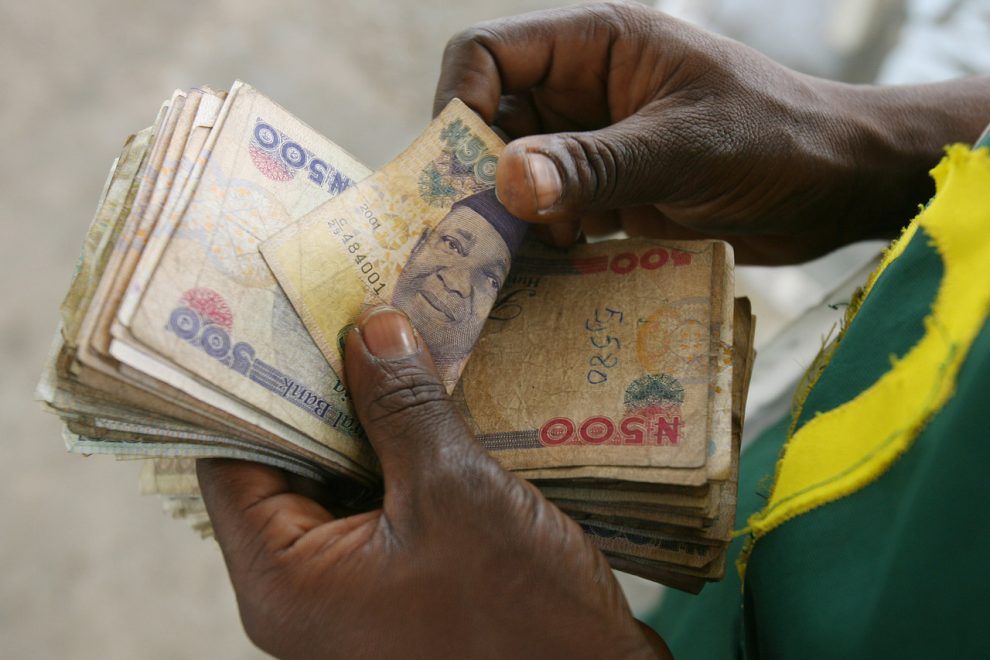

The Independent Media and Policy Initiatives (IMPI) has commended the resilience of Nigerians during ongoing economic adjustments, describing the public as the primary driver behind the country’s macro-economic transition.
In a policy statement released in Abuja by IMPI Chairman Omoniyi Akinsiju, the policy group noted that while the federal government established the structural framework, the adaptability of citizens made the shift from a consumption-based to a production-driven economy possible.
Phased Macro-Economic Outlook
The policy group outlined a three-stage economic trajectory detailing the transition since 2023:
- Initial Shock Phase (2023–2024): The immediate removal of fuel subsidies and currency unification led to sharp inflationary pressures, pushing headline inflation above 33% in 2024 and expanding poverty metrics.
- Stabilization and Disinflation (2025–Mid 2026): Monetary policy tightening by the Central Bank of Nigeria contributed to moderating headline inflation to 15.91% by June 2026. Gross foreign reserves reached approximately $52bn, with GDP expansion projected between 4.1% and 4.4% for 2026.
- Structural Growth and Employment (2026–2030): Long-term projections anticipate increased industrial output, foreign direct investment, and job creation as reforms shift toward critical power, agricultural, and infrastructure sectors.
IMPI emphasized that maintaining fiscal discipline and building out foundational infrastructure remain critical to ensuring macro-level gains translate into broad microeconomic relief for households across the country.



Add Comment