
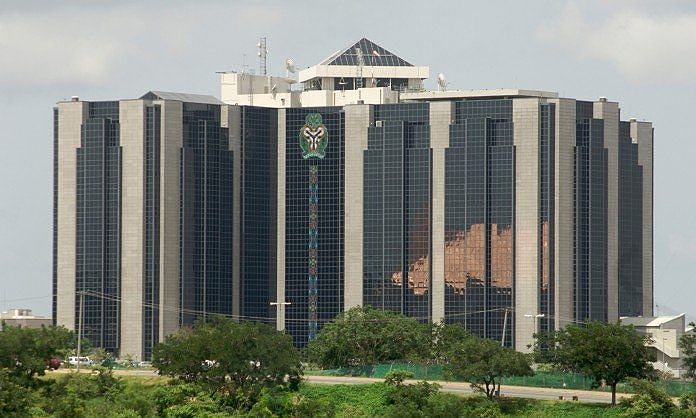

The Central Bank of Nigeria (CBN) has revoked the operating licences of 46 microfinance banks across the country after they failed to meet key regulatory requirements.
The shutdown, which took effect on 1 July 2026, was approved by the central bank governor, Olayemi Cardoso.
In a statement, the CBN’s acting director of corporate communications, Hakama Sidi-Ali, said the sweeping action was necessary to protect depositors and safeguard the stability of the country’s wider financial system.
The regulator revealed that the affected lenders had committed several severe infractions. These included running out of assets to meet their liabilities, shutting down operations without central bank approval, prolonged inactivity, and failing to maintain the required minimum capital.
Nationwide crackdown
The closure affects a mix of Tier 1, Tier 2, and State-level microfinance institutions spread across 19 states, including Lagos, Kano, Rivers, Oyo, and the capital, Abuja.
Among the high-profile digital and community lenders closed down are:
- Creditville Microfinance Bank
- NOW NOW Digital Microfinance Bank
- Gold Microfinance Bank
- Safegate Microfinance Bank
A significant cluster of affected institutions was based in the northern commercial hub of Kano, including Bompai, Minjibir, and Kanopoly microfinance banks.
Depositor safety
Microfinance banks in Nigeria typically serve low-income individuals, traders, and small businesses who lack access to traditional commercial banking.
The Nigeria Deposit Insurance Corporation (NDIC) has already begun taking over the assets of the failed institutions.
The NDIC sought to reassure the public, stating that reforms introduced in May 2024 mean that more than 98% of depositors across Nigeria’s 914 licensed financial institutions are fully insured for their entire balances in the event of a bank failure.
The central bank reiterated its commitment to maintaining public confidence, warning that it will continue to take aggressive supervisory action against any licensed institution failing to comply with financial laws.




Add Comment