
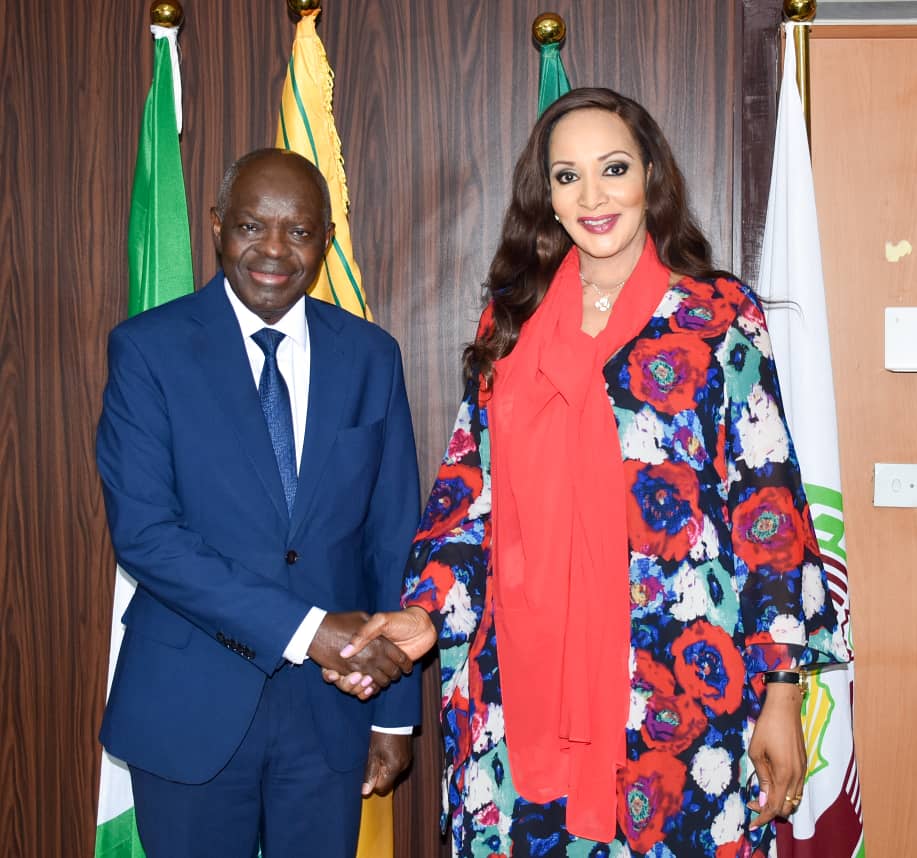

ABUJA, Nigeria — Nigeria and Côte d’Ivoire have agreed to significantly expand their economic partnerships and step up joint military intelligence sharing in a bid to counter rising insecurity and promote democratic stability across the West African sub-region.
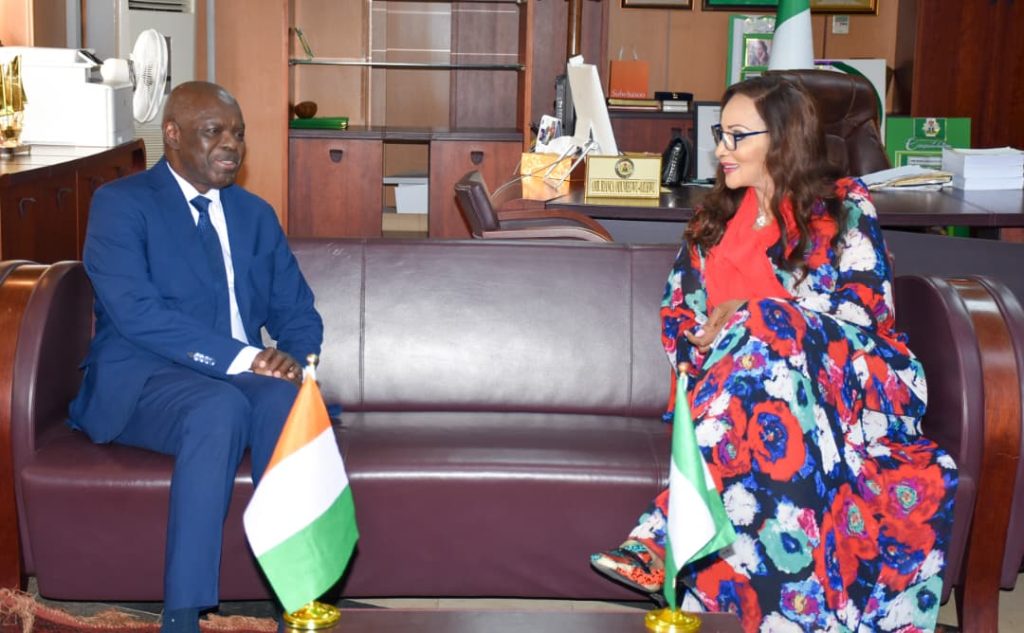
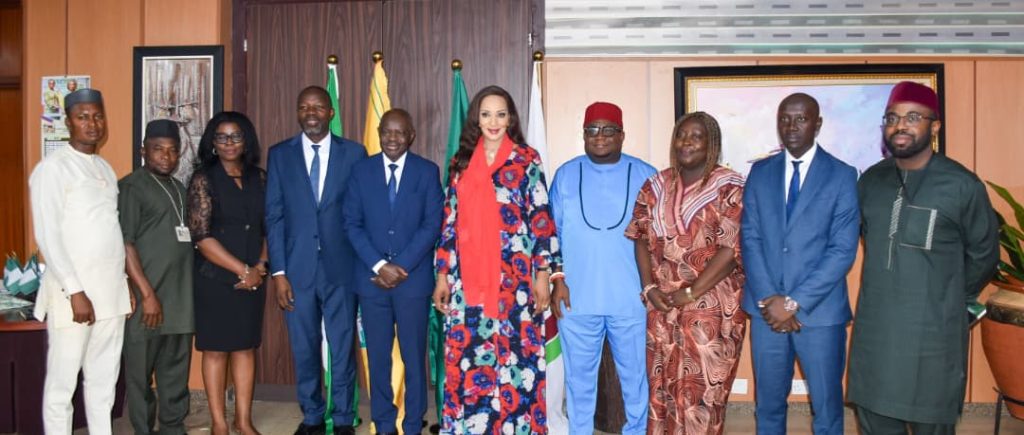
The diplomatic push was formalised during a high-level bilateral meeting in Abuja on Tuesday, 26 May 2026, where Nigeria’s Minister of Foreign Affairs, Ambassador Bianca Odumegwu-Ojukwu, hosted the Ivorian Ambassador to Nigeria, Kalilou Toure.
In a statement released on Wednesday by the ministry’s spokesperson, Kimiebi Imomotimi Ebienfa, both nations reaffirmed their longstanding cordial relations and committed to swiftly reactivating pending bilateral agreements.
Expanding the Economic Frontier
While Côte d’Ivoire already stands as one of Nigeria’s primary trading partners on the continent, discussions focused heavily on diversifying trade beyond traditional commodities.
Ambassador Odumegwu-Ojukwu stressed the urgent need to expand technical partnerships and industrial manufacturing into high-yield commercial sectors. The proposed roadmap aims to target cooperation in:
- Consumer Goods: Joint ventures in cosmetics and perfume production.
- Agriculture & Energy: Scaled partnerships in coffee production and the distribution of petroleum products.
- Institutional Alignment: The reactivation of dormant Memoranda of Understanding (MOUs) ahead of an upcoming bilateral session scheduled to take place in Côte d’Ivoire.
The two envoys also highlighted parliamentary diplomacy and closer collaboration between regional governance and electoral bodies as vital mechanisms to ensure democratic consolidation and good governance across West Africa.
A Coordinated Front Against Terror
Beyond trade, the talks took on a distinct security focus, reflecting growing anxieties over transnational threats disrupting the Economic Community of West African States (Ecowas) bloc.
Ambassador Odumegwu-Ojukwu reiterated Nigeria’s commitment to leading aggressive, coordinated regional responses against violent extremism. Both parties emphasised that the containment of terrorism, human trafficking, and drug smuggling across the sub-region hinges entirely on seamless, real-time intelligence sharing and structured defence collaboration.
The ministry noted that sustained security cooperation remains paramount to defending constitutional order and maintaining regional stability against non-state armed groups.
Prisoner Transfer Frameworks
The bilateral talks also touched on complex consular matters, with both diplomats exploring the establishment of formal legal frameworks for prisoner transfers.
Under the proposed guidelines, nationals sentenced for crimes abroad could be repatriated to serve out their prison terms in their home countries, subject to applicable domestic laws and final bilateral ratifications.
Both nations concluded the session with a joint commitment to sustaining high-level diplomatic engagements, vowing that strengthened institutional coordination would yield immediate economic and security benefits for the wider West African region.




Add Comment