
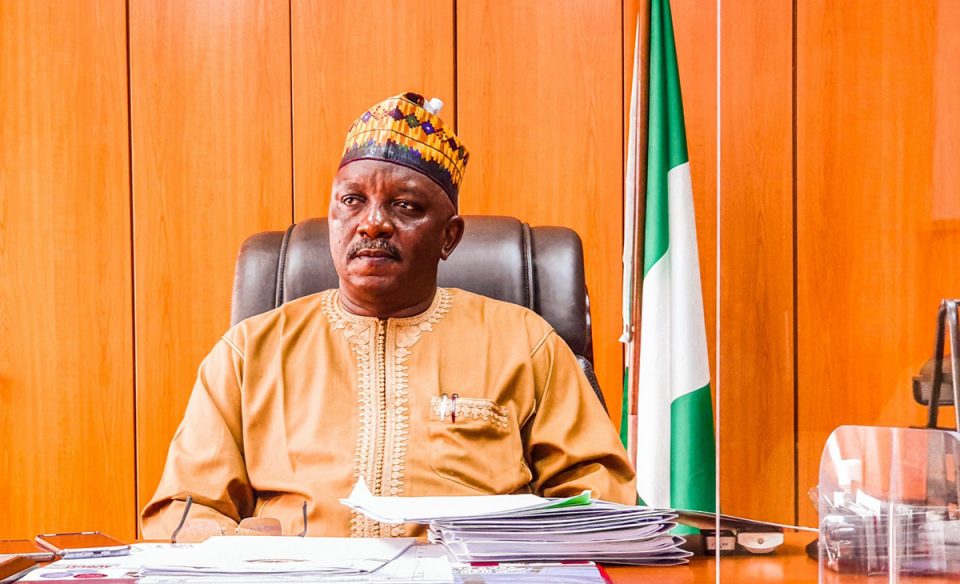

Nigeria’s anti-corruption agency has arrested the country’s former power minister, Saleh Mamman, following a brief period on the run after being convicted in absentia over a 33bn-naira ($22m) fraud. Mr Mamman was detained during an early-morning raid on Tuesday in the northern state of Kaduna, alongside two associates who were allegedly shielding him from authorities. The arrest ends a manhunt launched by the Economic and Financial Crimes Commission (EFCC) after Mr. Mamman failed to appear in court for his sentencing earlier this month.
The Mambilla multi-million dollar fraud
The charges against the former minister relate to his time in office under the administration of former President Muhammadu Buhari, who made tackling corruption a cornerstone of his leadership. According to Ola Olukoyede, the head of the EFCC, Mr. Mamman diverted funds that had been specifically earmarked for two of Nigeria’s critical infrastructure developments:The Mambilla hydro-electric project: A major multi-billion dollar dam initiative aimed at resolving Nigeria’s chronic electricity shortages.
The Zungeru power project: Another key state-funded energy infrastructure installation. Following a 14-month prosecution, a court found Mr. Mamman guilty on 12 counts of corruption.Because he failed to appear in court, a judge sentenced him in absentia on 13 May. Under Nigerian law, judges can hand down sentences if a defendant intentionally flees legal proceedings.
‘No hiding place’
Speaking to journalists, the EFCC chairman hailed the arrest as a significant victory for the rule of law in Africa’s most populous nation.”The eagle eye of the Economic and Financial Crimes Commission will always catch up with you wherever you are hiding,” Mr. Olukoyede warned. “Anyone who has dipped into government or national resources will not go unpunished.”Officials explained that Mr. Mamman is currently being held at an EFCC detention facility while paperwork is finalised to transfer him to a federal correctional centre to begin serving his prison sentence. The properties where the former minister was hiding are also under investigation, and authorities have discovered additional undisclosed assets linked to him.
Systemic loopholes
The high-profile escape has triggered a review of how Nigeria’s judicial and law enforcement systems monitor prominent figures facing criminal charges. The EFCC admitted that the case highlights a vulnerability in how high-profile defendants are managed during trials. Moving forward, the agency plans to work closely with the judiciary to place all major corruption suspects under strict electronic or physical surveillance to prevent them from fleeing custody or leaving the country. The two individuals arrested alongside Mr Mamman are expected to face separate charges for harbouring a convicted felon.


Add Comment