
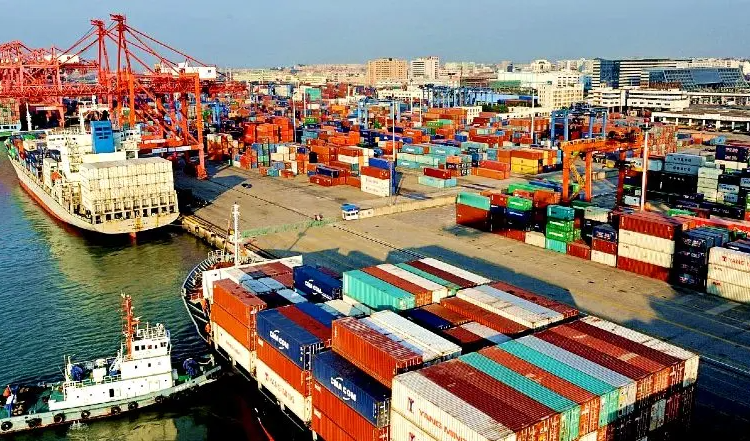

The Tinubu Media Volunteers (TMV) has lauded the significant growth and structural transformation occurring within Nigeria’s maritime sector. The group credits these advancements to President Bola Tinubu’s Renewed Hope agenda and the strategic decision to establish a dedicated ministry for the blue economy.
Key Performance Indicators (2023–2025
The group highlighted several milestones that demonstrate the impact of recent economic reforms:
Revenue Growth: A substantial increase in sector revenue, rising from N700.79 billion in 2023 to approximately N1.83 trillion in 2025.
Port Modernization: The procurement of £746 million in funding specifically for the modernization of the Apapa and Tin Can Island Ports.
Food Security: Domestic fish production has scaled from 1.1 million tonnes to 1.4 million tonnes, strengthening the fisheries value chain.
Security: Maintenance of zero piracy incidents in the Gulf of Guinea for over four years, supported by the Deep Blue Programme.
Strategic and Global Gains
According to the statement signed by Chairman Chukwudi Enekwechi and Secretary Segun Ogedengbe, the administration’s focus on transparency and automation has yielded broader logistical and diplomatic benefits:
Decongestion: The resolution of the long-standing gridlock at the Apapa port, providing relief to businesses for the first time in two decades.
Global Standing: Nigeria’s successful return to the Council of the International Maritime Organisation (IMO) after a 14-year absence.
Economic Potential: The initiatives are positioned to eventually unlock an estimated $3 trillion global blue economy.
The TMV concluded that these reforms reflect a visionary approach to resource management, driving progress and creating new opportunities for Nigerians across the maritime and industrial landscapes.



Add Comment