
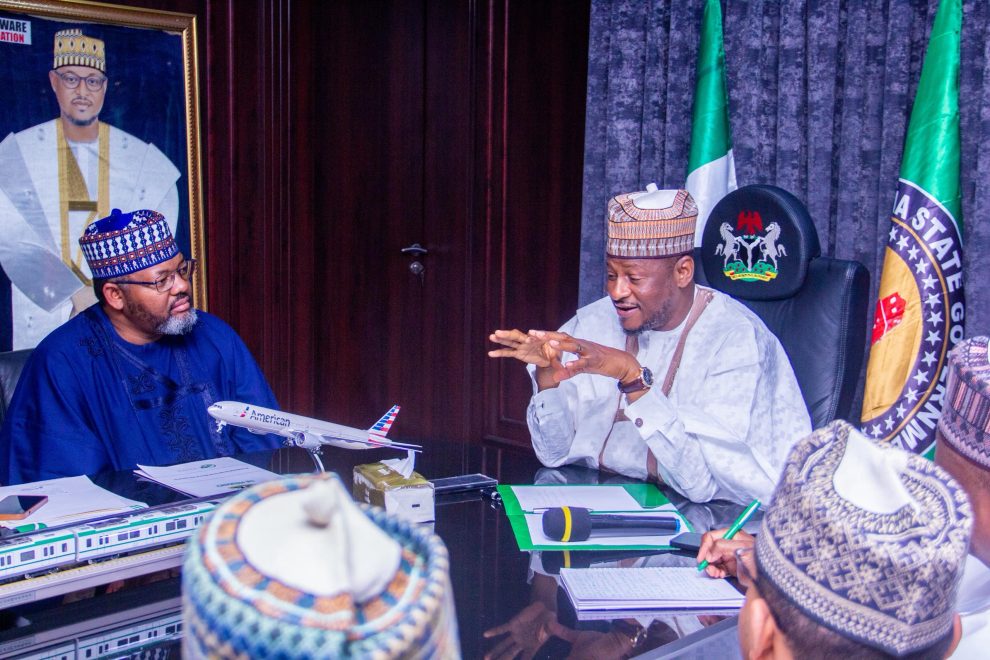

A major Northern Nigerian state has unveiled plans to become a regional centre for electric vehicles (EV) and compressed natural gas (CNG), as high fuel prices force a radical rethink of the country’s transport sector.
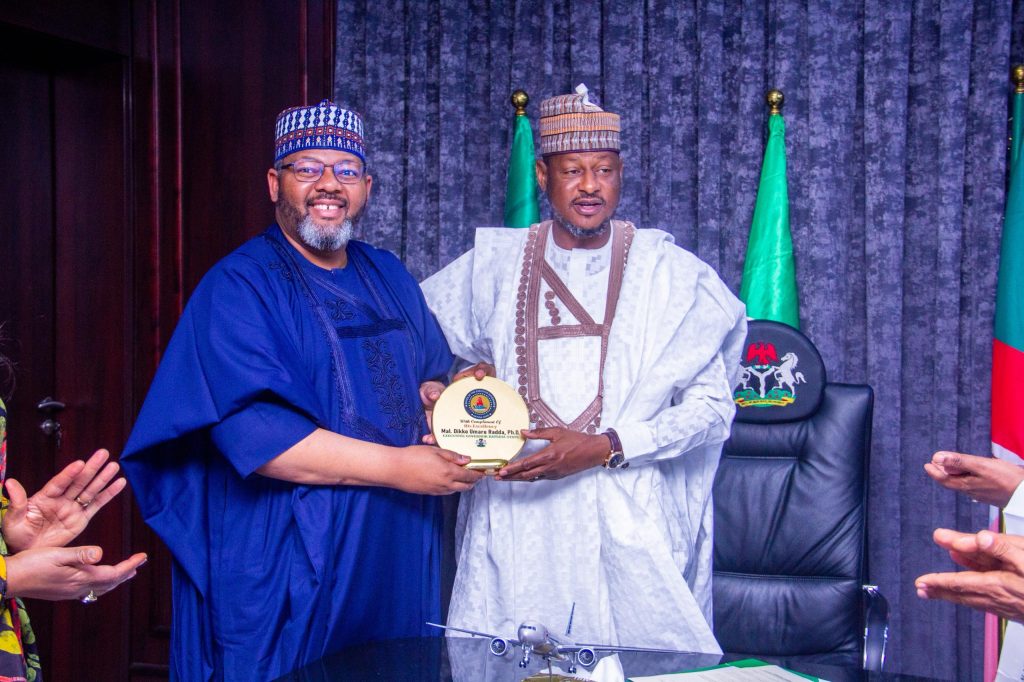
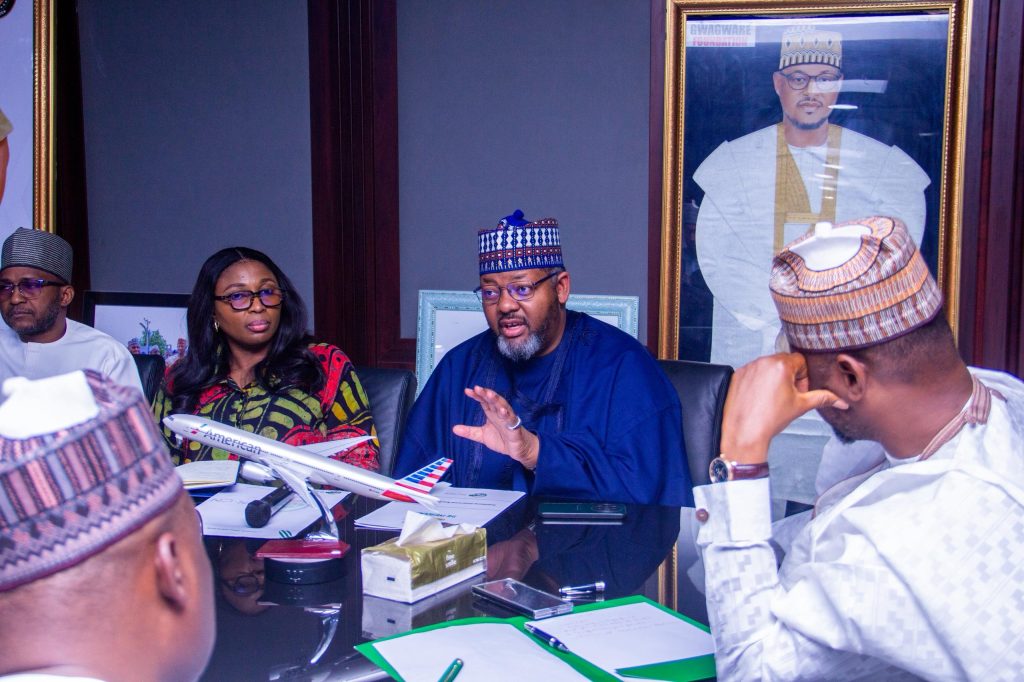
The government of Katsina State has entered into a strategic partnership with the Presidential Initiative on Compressed Natural Gas (Pi-CNG & EV) to build a massive infrastructure corridor spanning the north-west. The move follows a high-level summit in the state capital on Friday between Governor Dikko Radda and federal energy officials.
The initiative aims to decouple transport costs from the volatile global oil market by providing cheaper, locally sourced gas and electric alternatives for millions of residents.
Powering the Classroom: 3,000 Electric Bikes
In one of the most ambitious components of the deal, Governor Radda announced the state has procured 3,000 electric motorcycles specifically for rural teachers. An additional 1,500 electric tricycles—popularly known as Keke—will be deployed to stimulate economic activity in remote communities.
By targeting teachers and rural transporters, the state government is attempting to solve two problems at once: the high cost of commuting for civil servants and the rising “last-mile” delivery costs that have driven up food prices.
The Katsina ‘Clean Corridor’ Plan:
- Technical Training: 500 local youths to be certified as CNG technicians.
- The Funtua Hub: A modern CNG/EV maintenance and refuelling hub to be built along the strategic Funtua–Sokoto highway.
- Conversion Centres: New facilities in Katsina, Daura, and Funtua to swap petrol engines for gas-powered systems.
- Charging Grid: EV charging infrastructure to be deployed along major traffic arteries.
Analysis: A Shift in the Northern Landscape
For decades, Kano has been the “Northern hub” for commerce and energy in Nigeria. However, Katsina’s new focus on the Funtua–Gusau–Sokoto corridor suggests a desire to carve out a new “Green Silk Road” through the Sahel.
The Executive Director of the Presidential Initiative, Ismaeel Ahmed, noted that Katsina is now becoming “central to Nigeria’s mobility future.” For the federal government, this is a much-needed “win” for President Bola Tinubu’s energy transition agenda. If a state in the far north—traditionally reliant on subsidised petrol—can successfully transition to electric bikes and gas-powered trucks, it provides a powerful blueprint for the rest of the country.
Economic Urgency
The timing of the partnership is not accidental. With petrol prices at the pump hovering at record highs, the “cost of living” crisis has become the most potent political issue in Nigeria.
The Pi-CNG & EV team also toured the newly commissioned Greenville gas station, a facility that represents a significant milestone for the state’s energy infrastructure. By leveraging private sector investment alongside federal support, Katsina is betting that “cleaner” transport will lead to “cheaper” transport.
For the 500 young people set for training, the initiative offers something even more valuable than a cheaper commute: a foothold in a burgeoning domestic industry that is no longer dependent on the price of a barrel of Brent Crude.

Add Comment