
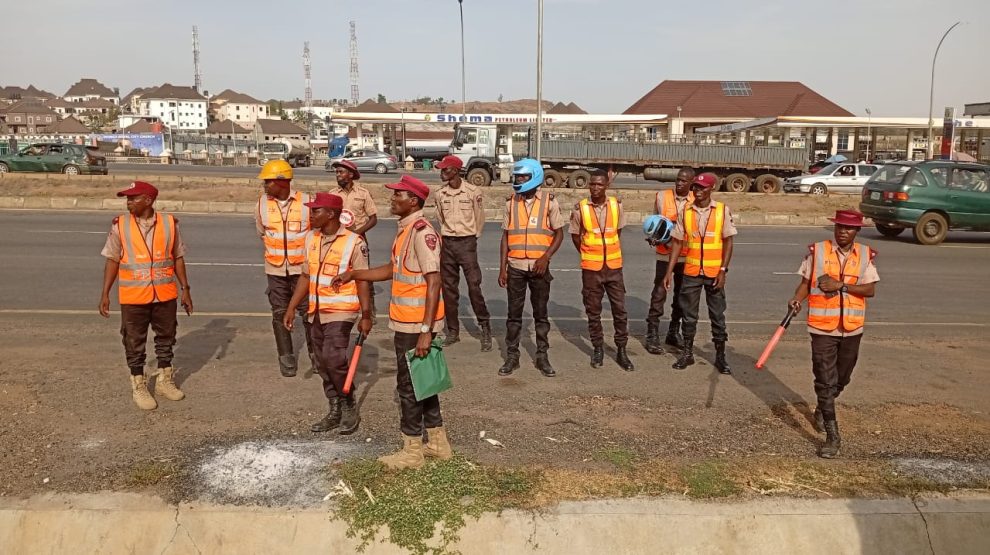

Officials in Nigeria say a targeted crackdown on heavy goods vehicles has led to a dramatic drop in accidents on one of the capital’s most dangerous stretches of road.The Federal Road Safety Corps (FRSC) reported on Saturday that there have been zero crashes involving articulated vehicles on the Kugbo outbound corridor since “Operation Safe Kugbo” began on 18 March.The stretch of road, which serves as a major artery leading out of Abuja, has long been notorious for congestion and high-impact collisions involving trucks and tankers.
Key figures from the operation:
858 trucks and articulated vehicles restricted from the corridor during peak hours.
Zero recorded crashes involving heavy vehicles since the intervention began.
24 days of sustained enforcement by road safety operatives.
‘Peak hour’ restrictions
The success of the initiative lies in a strict enforcement of traffic regulations that bar heavy-duty vehicles from the road during the busiest times of the day.
Under the leadership of the Corps Marshal, the FRSC has deployed tactical teams to “strategic positions” to manage real-time traffic flow. According to officials, the move is part of a broader 2026 strategy to drastically reduce nationwide road fatalities.”The zero-crash record stands as a strong validation of the effectiveness of the initiative,” the FRSC said in a statement. “It reinforces the importance of restricting heavy-duty vehicles during high-traffic periods.”
A persistent challenge
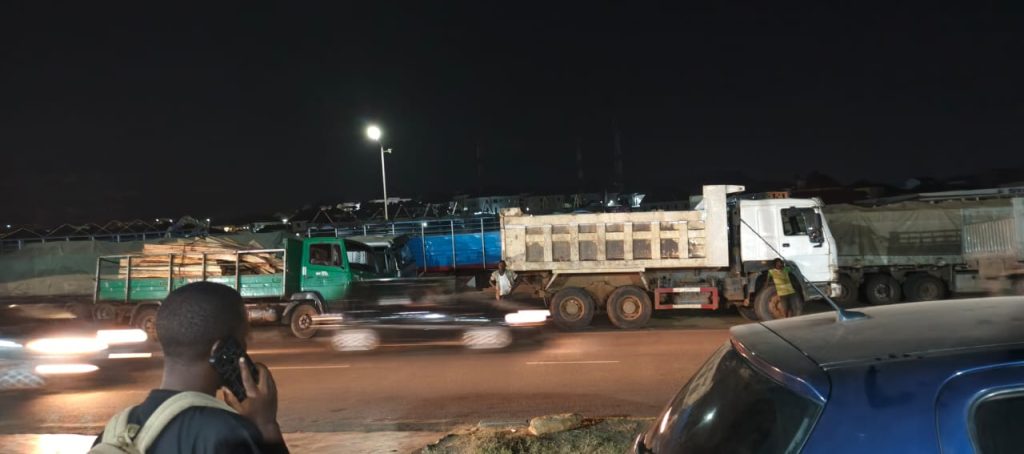
While the results in Kugbo are being hailed as a milestone, road safety remains a significant challenge across Nigeria. Overloaded trucks, poorly maintained vehicles, and crumbling infrastructure often contribute to high casualty rates on federal highways. The FRSC has warned fleet operators and drivers that the “intensified monitoring” will continue indefinitely.
For now, the residents of Abuja’s satellite towns—who often spend hours in gridlock alongside massive tankers—are seeing a rare glimpse of a safer, smoother commute.




Add Comment