

By Segun Ojumu
Nigeria’s Inspector-General of Police (IGP) has launched an emergency operational sweep in Plateau State, ordering elite tactical units to remain on a “war footing” following a deadly attack that claimed dozens of lives.
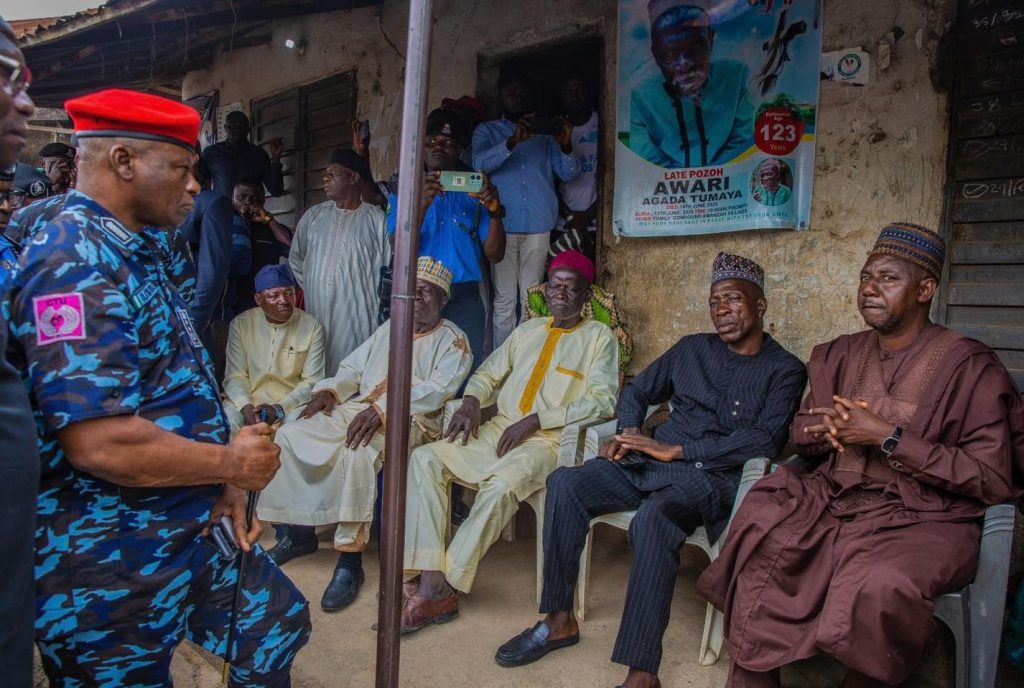
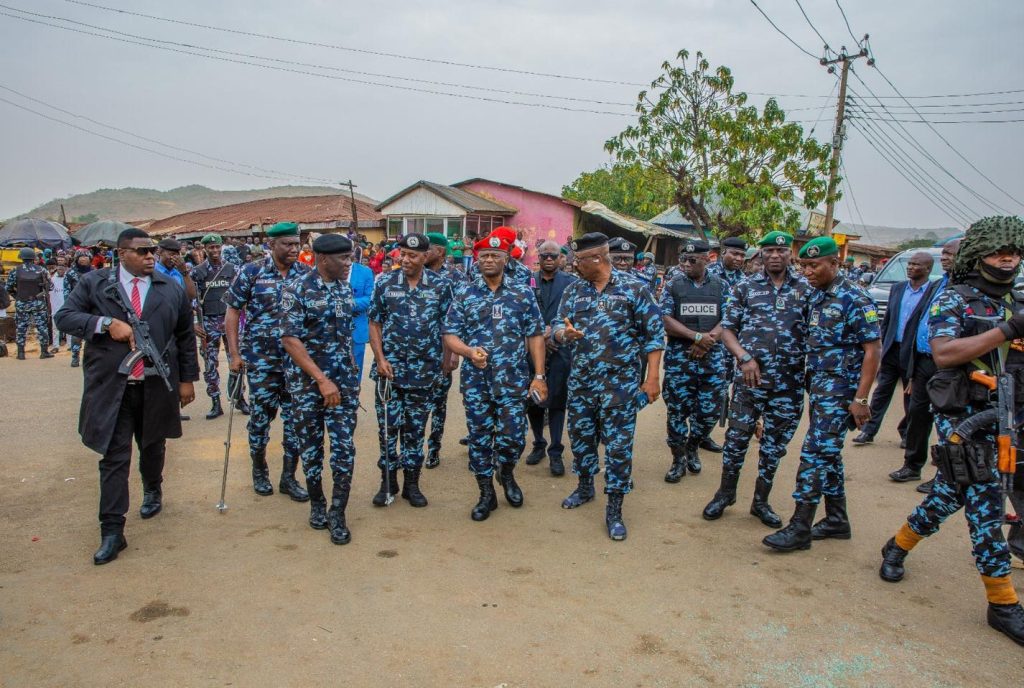
IGP Olatunji Disu arrived in the state capital, Jos, on Friday to conduct a “boots-on-the-ground” assessment of the Angwan Rukuba community. The area was the epicentre of a brutal raid on 29 March, which has once again thrust the volatile Middle Belt into the global spotlight.
The police chief’s visit follows a massive surge in security personnel, including eight units of the Police Mobile Force and the high-level Special Intervention Squad, deployed to prevent the violence from spreading into a wider regional conflict.
The ‘Infrared’ Policing Demand
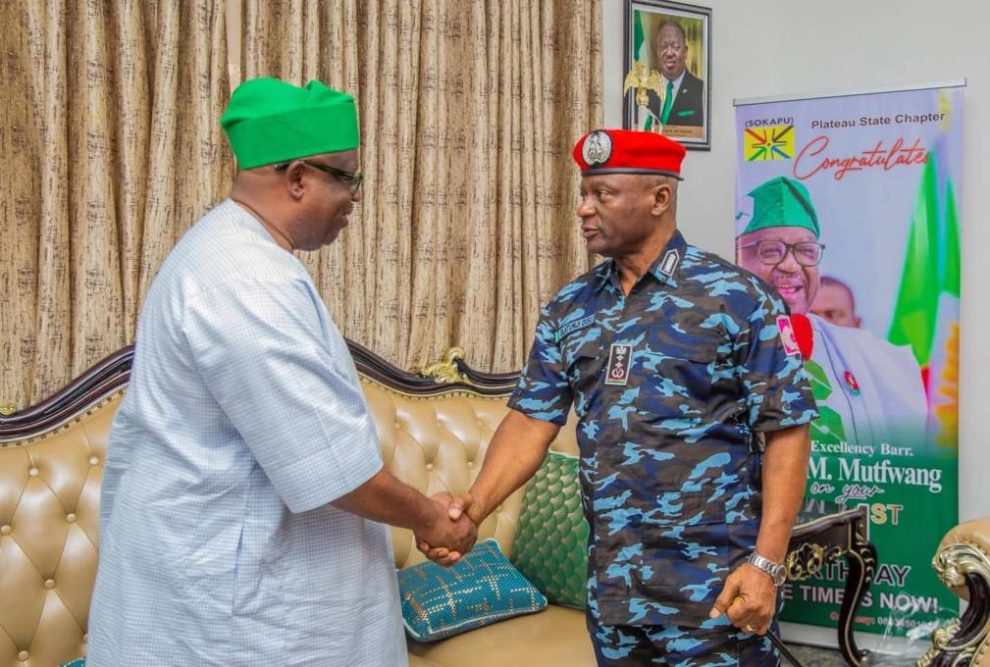
During a tense meeting at the Government House, the Governor of Plateau State, Caleb Mutfwang, praised the police’s “robust” response but issued a blunt warning about the limitations of current security infrastructure.
Governor Mutfwang called for a radical shift in how Nigeria polices its “high-risk” zones, including:
- Night Surveillance: A demand for advanced drones equipped with infrared sensors to track militants moving under the cover of darkness.
- State Police: A renewed push for constitutional reform to allow states to manage their own police forces, citing “vast terrains” that are difficult to monitor from the federal capital, Abuja.
- Logistics Gaps: Highlighting the dangerous distance between police armouries and the front lines of communal clashes.
Analysis: A Race Against Reprisals
The IGP’s primary mission in Jos is to “de-escalate” a cycle of revenge. He issued a stern warning to local youth groups against “vigilantism,” which security experts say often acts as a catalyst for even larger massacres in the region.
“Sustained operations will continue until normalcy is fully restored,” the IGP stated, noting that intelligence-led raids are currently underway to hunt down the “faceless” perpetrators of the Angwan Rukuba killings.
The situation remains a high-stakes test for the Police Mobile Force. For decades, the “Middle Belt” has been caught in a loop of attack and counter-attack. By deploying “intelligence-led” units rather than just static guards, the IGP is attempting to prove that the Nigerian police can move from a reactive force to a proactive one.
The ‘Presidential’ Briefing
The IGP is expected to fly back to Abuja tonight to brief President Bola Tinubu on the “surgical requirements” for the Plateau. This comes as the president himself recently promised 5,000 AI-enabled cameras for the city—a move that aligns with the governor’s call for a “tech-first” security architecture.


Add Comment