

West African officials have called for dedicated regional and national victim support funds, expanded social protection budgets and tighter cross-border parliamentary oversight to shield vulnerable children from trafficking and forced labour across the region.
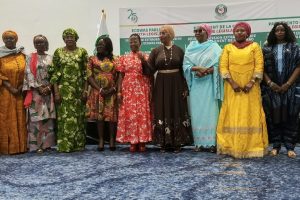
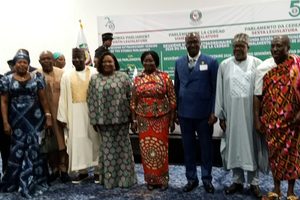
The proposals were outlined in Abuja during a parliamentary workshop on child trafficking and child labour held as part of the Second Ordinary Session of the Economic Community of West African States (ECOWAS) Parliament.
Prof. Nassirou Bako, the bloc’s commissioner for human development and social affairs, said stronger social safety nets, better-coordinated national social registries, and stricter legislative monitoring are essential to turn child protection policies into concrete support for displaced and at-risk families.
Turning treaties into enforcement
Addressing the same session, Akiyo Afouda, a senior programme officer at the Inter-Parliamentary Union (IPU) speaking on behalf of its secretary-general, said national laws and regional agreements would remain ineffective without dedicated funding, implementation and regular parliamentary scrutiny.
He urged lawmakers across West Africa to conduct joint oversight missions, engage local communities and deepen cooperation between national parliaments and regional bodies to tackle the cross-border networks behind child exploitation.
Citing International Labour Organization and UNICEF estimates that 138 million children are engaged in child labour globally—including 46.6 million in sub-Saharan Africa—Mr. Afouda stressed that sustained political commitment is needed to address the root causes of abuse.
Scale of the crisis driving the response
The push for stronger safeguards comes amid escalating insecurity and conflict across parts of West Africa, which have disrupted education and left thousands of children exposed to trafficking, domestic servitude and recruitment by armed groups.
According to figures presented by Prof Bako:
- School closures: About 8,450 schools have been affected by insecurity in the Central Sahel.
- Mass displacement: Roughly 4.1 million people have been uprooted by conflict, with women and children accounting for a significant share.
- Trafficking cases: Children made up 5,344 of the 12,959 human trafficking cases referenced in the commission’s data.
- Prosecutions: Convictions and prosecutions linked to human trafficking across ECOWAS member states rose from 388 in 2024 to 515 in 2025—a trend Prof. Bako said underscores the need for stronger regional enforcement.

Add Comment