
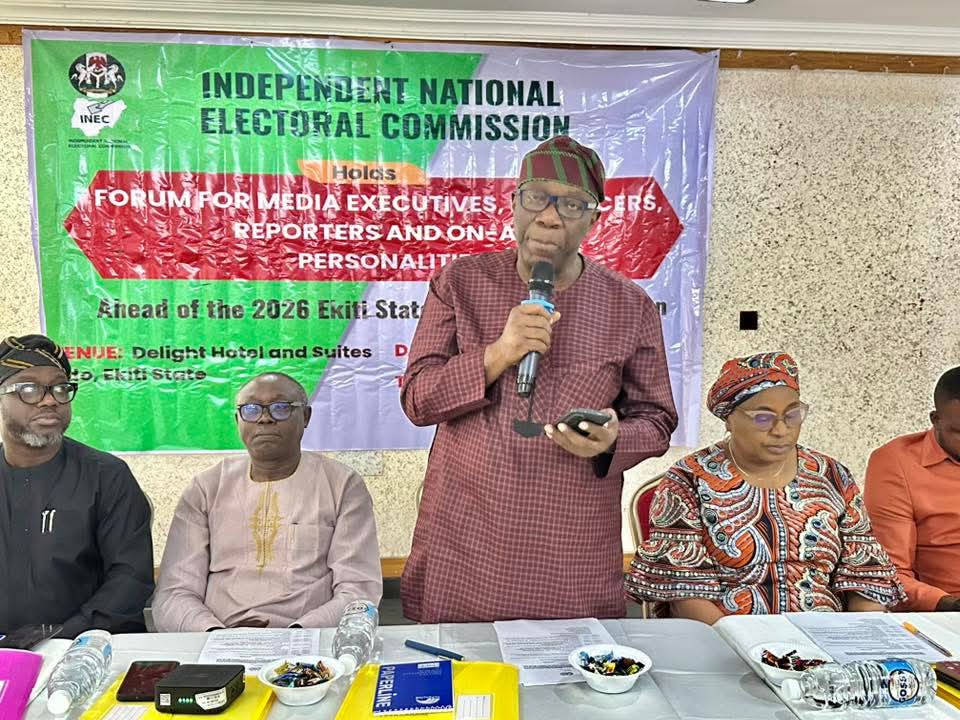

ADO-EKITI, NIGERIA — Nigeria’s electoral body has issued a stark warning to journalists and broadcasters over the rise of “deep fakes” and manipulated media, urging strict fact-checking ahead of a crucial regional election.
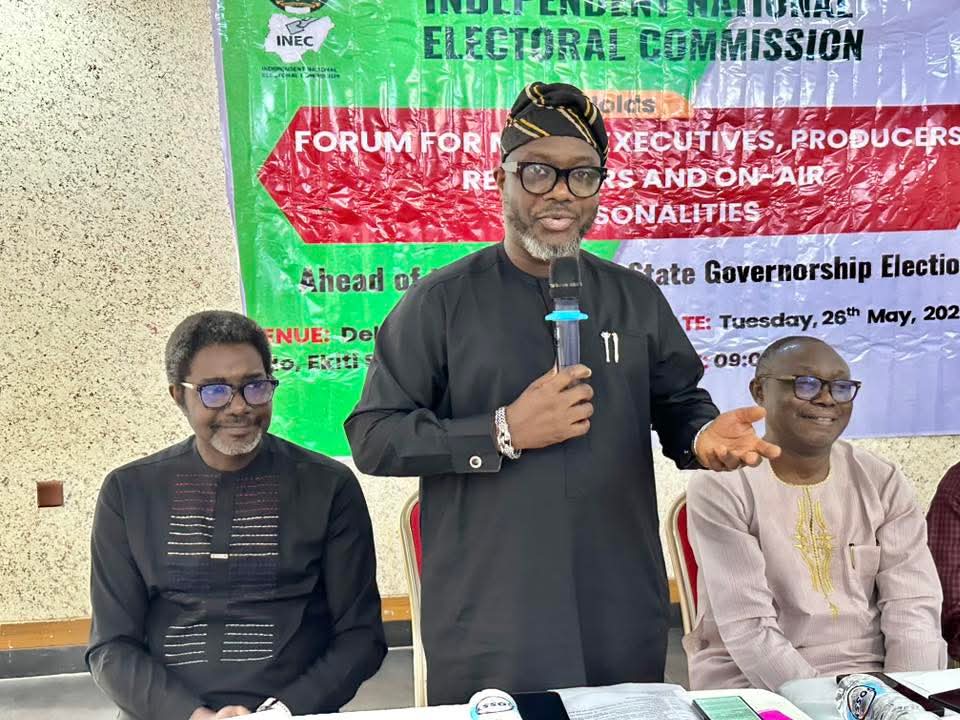
The Independent National Electoral Commission (INEC) met with media executives in Ado-Ekiti, the capital of western Ekiti State, to appeal for a joint front against misinformation ahead of the governorship poll on June 20, 2026.
Electoral officials described the upcoming vote as a critical barometer for the country’s democratic resilience before Nigeria’s next general election in 2027.
A Serious Threat to Peace
The state’s Resident Electoral Commissioner, Bunmi Omoseyindemi, said that while logistics — including staff training and material deployment — were well underway, the digital information landscape posed an unpredictable danger. He warned that unverified election reports, manipulated videos, and misleading headlines could spark panic and destabilise the state.”Fake news, deep fakes, and foreign information manipulation now pose serious threats to peaceful elections,” said Adedayo Oketola, Chief Press Secretary to the INEC Chairman.
Officials confirmed that 54 media organisations and nearly 500 journalists have already been accredited to cover the vote, which will span 2,445 polling units across Ekiti.
The Scale of the Ekiti Election:
Date: 20 June 2026
Scope: 16 Local Government Areas | 177 Wards | 2,445 Polling Units
Contenders: 13 Political Parties
High Stakes and Digital Frontlines
Elections in Nigeria, Africa’s most populous nation and largest economy, have historically faced challenges ranging from logistical delays to security friction. However, the battleground has increasingly shifted online. Mohammed Haruna INEC’s national commissioner in charge of information and voter education, reminded broadcasters of their legal obligations under the country’s Electoral Act, which mandates balanced coverage and strictly prohibits premature declarations of results on election day. Broadcasters were urged to run voter education campaigns not just in English, but in Yoruba and local dialects to ensure voters understand the electronic systems being deployed to safeguard the ballot.
Tightening the Reins on Digital Media
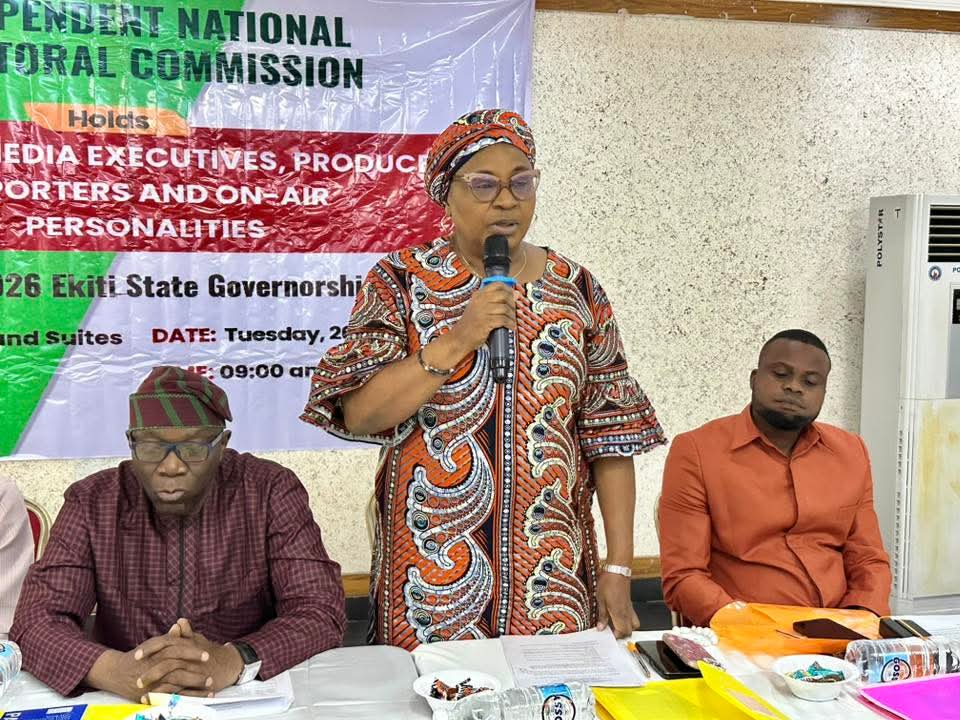
In response to the rising tide of digital misinformation, local media unions are attempting to reform how the press operates online. Kayode Babatuyi, the state chairman of the Nigeria Union of Journalists (NUJ), announced that the union has introduced new measures to bring independent online reporters into its official regulatory structure. The move aims to enforce strict ethical standards and accountability in a fast-evolving digital space. INEC has promised that its official communication channels will remain open throughout the voting period to allow reporters to verify breaking stories before broadcast.


Add Comment