


KANO, Nigeria — Nigeria has launched a major regional transport initiative that uses compressed natural gas (CNG) and electric vehicles to reduce transportation costs and ease the country’s inflation crisis.
The Northern Corridor scheme was officially inaugurated on Thursday at a stadium in Kano, the historic commercial hub of northern Nigeria. It marks the latest phase of a national push to pivot away from conventional petrol and diesel, following the government’s controversial decision to scrap a long-running fuel subsidy.
A statement signed by Onyekachi Eke, head of brand and communications of the Presidential Initiative on Compressed Natural Gas and Electric Vehicles (Pi-CNG & EV), said the rollout includes a fleet of electric cars, gas-powered buses, and hundreds of CNG-converted tricycles—locally known as ‘keke’—which form the backbone of urban transport for millions of ordinary Nigerians.
Curbing the Inflation Shock
Since President Bola Tinubu removed the fuel subsidy, the cost of commuting and moving goods has soared, directly inflating food prices and basic logistics across Africa’s most populous nation.
Speaking on behalf of Vice President Kashim Shettima, senior presidency official Senator Ibrahim Hassan-Hadejia stated that the project is a “strategic economic intervention.” By introducing cheaper fuel alternatives to the north’s primary trade corridors, the government hopes to ease the financial pressure on struggling households.
The head of the presidential initiative, Ismaeel Ahmed, emphasized that the administration wanted to build long-term infrastructure rather than hand out temporary financial palliatives. “President Tinubu envisions a legacy defined by productive energy alternatives that offer sustainable relief,” Mr. Ahmed said.

‘Convert Now, Pay Later’
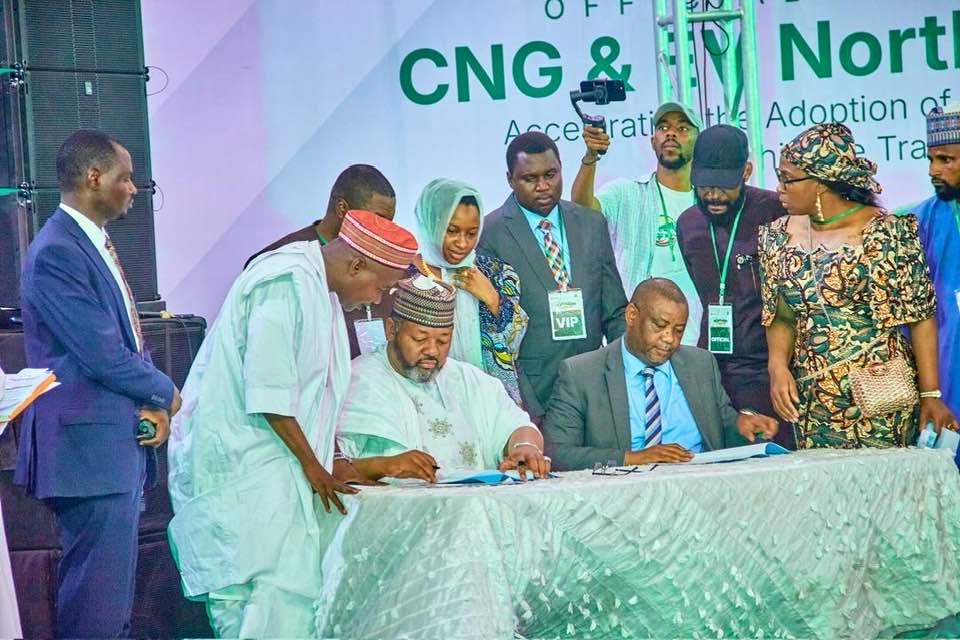
To make the technology accessible in a country facing severe economic strain, the government is introducing an installment-based payment scheme.
- Financing Partnerships: A deal with financial tech firm Moniepoint and the Credit Corporation of Nigeria (CREDICORP) will allow commercial drivers to convert their existing petrol engines to gas and pay the costs back over time.
- New Infrastructure: To keep the fleet running, new gas filling and liquefied natural gas (LNG) stations have been commissioned along the critical Kano-Zaria highway.
- Regional Expansion: Authorities confirmed the network will soon expand to other major northern hubs, including Kaduna, Katsina, Maiduguri, and Gombe.
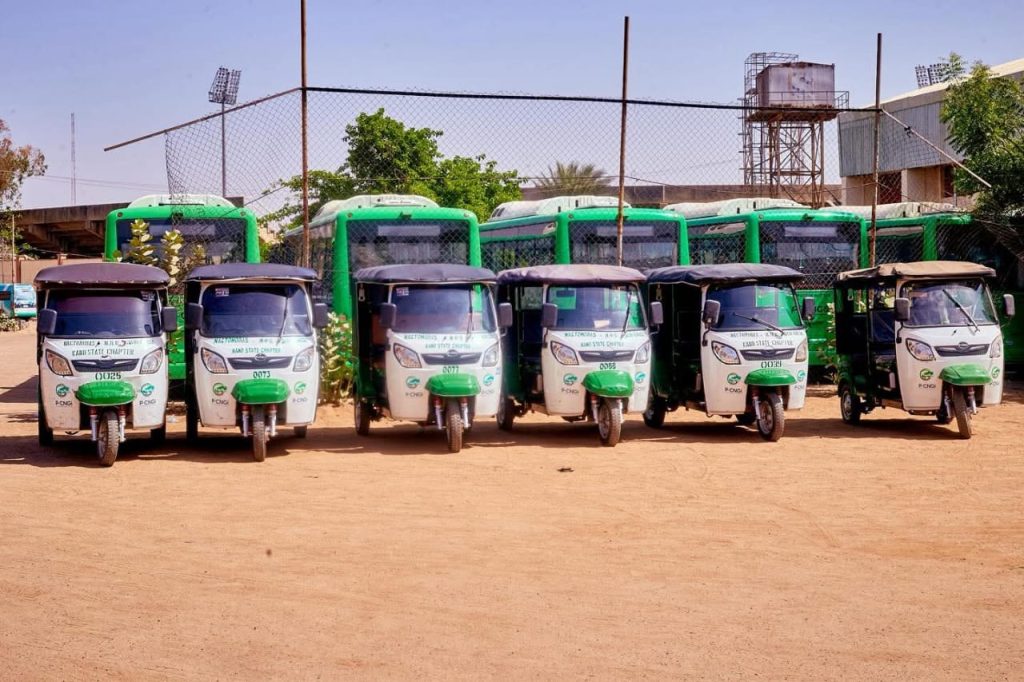
Tapping Vast Gas Reserves
The policy is part of a broader strategy to shift Nigeria toward its own massive, underutilized resources. Despite being a major crude oil producer, Nigeria imports nearly all its refined petroleum due to a historical lack of domestic refining capacity. However, the country sits on an estimated 210 trillion cubic feet of natural gas reserves.

The initiative has reportedly mobilized over $2bn (£1.6bn) in investment commitments so far.
To support the transition, officials say more than 7,000 young Nigerians have been trained in vehicle conversion technology nationwide, including 400 recent graduates in Kano, as the country tries to build the local technical expertise required to sustain a green energy shift.

Add Comment