
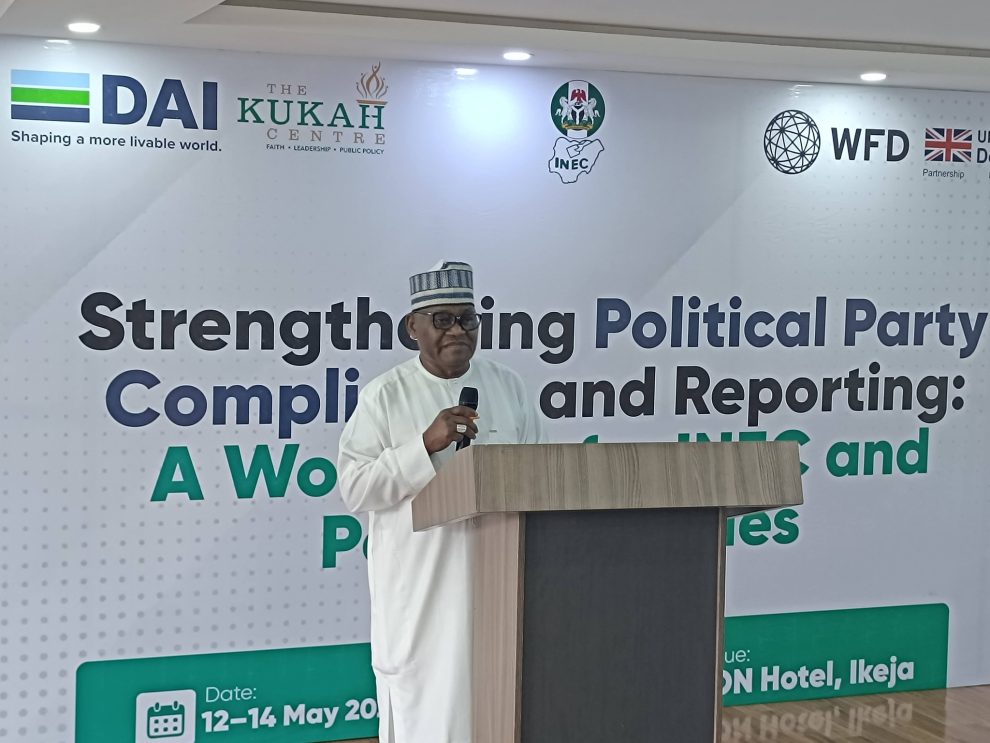

LAGOS, Nigeria — Nigeria’s electoral body has unveiled a new technology-driven system to track how political parties raise and spend money in a bid to restore public trust before the 2027 General Election.
The Independent National Electoral Commission (INEC) launched the Political Finance Reporting and Audit System (PFRAS) during a strategic training session in Lagos on Tuesday. The move aims to move away from “reactive” policing toward a digital, transparent framework for monitoring campaign finances.
Following the Money
Dr. Baba Bila, Chairman of INEC’s Election and Party Monitoring Committee, described political finance as a “critical pillar” of democracy. He noted that public confidence in the ballot is often eroded by a lack of transparency regarding party expenditures and “transactional politics.”
The new PFRAS platform will allow for:
- Digital Submission: Parties will now submit financial reports through a secure online portal.
- Real-time Auditing: INEC officials can monitor campaign spending and donations against legal limits.
- Operational Efficiency: Reducing the paperwork and “operational challenges” that have historically hindered oversight.
Ending the ‘Culture of Impunity’
The reform comes as part of the new 2026 Regulations and Guidelines for Political Parties, a set of rules updated to address the mountain of litigation that followed previous elections.
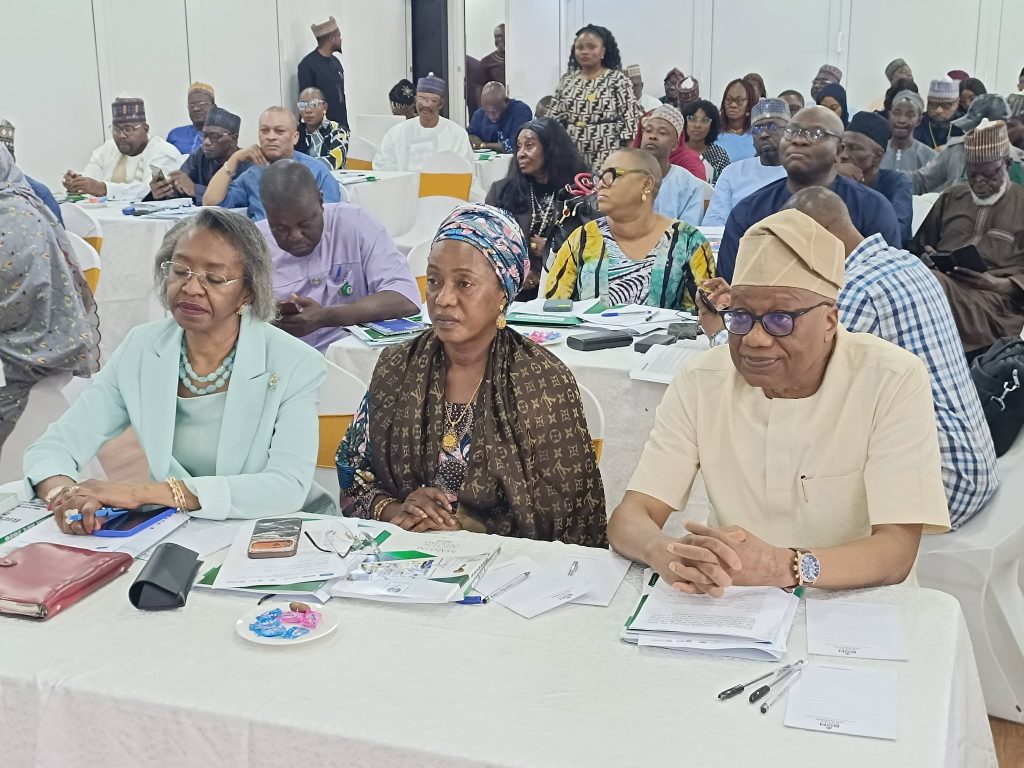
Prof. Ayobami Salami, the Resident Electoral Commissioner for Lagos, warned that political parties will face “greater scrutiny” over their internal discipline and financial accountability. He noted that poor documentation and a lack of transparency had significantly contributed to the “declining public trust” seen in recent years.
Father Atta Barkindo, Executive Director of the Kukah Centre, echoed these sentiments, stating that Nigeria does not lack laws, but rather the “enforcement and compliance” needed to end a culture of impunity.
The ‘Distrust’ Factor
The workshop, supported by international partners including the Westminster Foundation for Democracy (WFD) and DAI, addressed the sobering reality of low voter turnout in Nigeria.
At the training, Rudolf Elbling, the team lead for DAI (a key international partner for the project), focused on the practical and technical side of the new financial reporting system.

He explained that the workshop wasn’t just about theory, but about providing “technical and practical training” on the PFRAS platform itself. He noted that:
- Hands-on Learning: Participants would engage in simulations designed to help them actually navigate the reporting and auditing processes.
- Simplifying the Process: He emphasized that the digital system is intended to make reporting “more accurate, transparent, and easier” for both the political parties and the election administrators.
His contribution highlighted the shift from manually filing complex paperwork to using a streamlined, digital toolkit to manage election data.
Adebowale Olorunmola of the WFD urged parties to move beyond closed-door politics and embrace reforms that make their platforms more inclusive for:
- Young people
- Women
- Persons with disabilities
Preparing for 2027
The training in Lagos is the first of several “Training of Trainers” (ToT) sessions intended to cascade knowledge down to state and local levels.
By the time the 2027 polls arrive, INEC expects to have a “comprehensive learning curriculum” in place, ensuring that every naira spent on the campaign trail is accounted for. For a country where campaign spending has often been a “black box,” the success of PFRAS could mark a significant turning point in Nigeria’s democratic journey.


Add Comment