
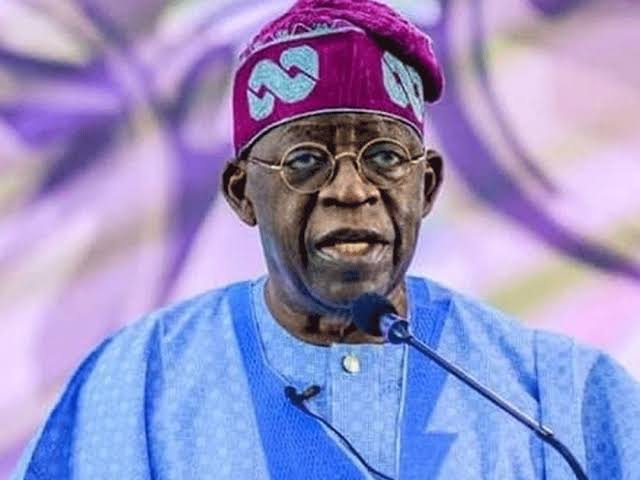

Nigerian President Bola Tinubu is expected to hold an emergency meeting with the heads of the country’s power-generating companies (Gencos) to address a mounting 4 trillion Naira (approximately £2 billion) debt that threatens to cripple Nigeria’s electricity supply chain.
The move follows a high-level meeting on Tuesday between the Minister of Power, Adebayo Adelabu, and the chairmen of the Gencos in Abuja. Concerns are growing over a potential collapse of the national grid due to severe cash flow problems within the power sector, according to a statement released by the power ministry on Sunday.
The government has pledged immediate action to tackle the substantial debt owed to the power generation firms. Earlier reports by The PUNCH newspaper highlighted warnings from the Gencos to the Federal Government about the continued accumulation of debts, which have now exceeded 4 trillion Naira. The companies stated that they are currently owed 2 trillion Naira for power supplied in 2024, in addition to 1.9 trillion Naira in legacy debts.
Bolaji Tunji, the Special Adviser on Strategic Communications and Media Relations to the Power Minister, indicated that the Federal Government had resolved to settle a significant portion of the debt with immediate cash payments, with the remaining amount to be cleared through financial instruments such as promissory notes within the next six months. This proposal will be put forward at the planned meeting between President Tinubu and the Gencos’ leadership.
Power Minister Adebayo Adelabu emphasised the government’s determination to prevent a collapse of the power sector, describing the situation as a “national emergency.” He stated, “We recognise the urgency of this matter. The government is committed to resolving this debt to stabilise the sector and prevent further crisis.”
While a specific date for the meeting has not yet been announced, the Gencos were represented at the earlier meeting by Col. Sani Bello (retd), Chairman of Mainstream Energy Solutions and head of the Association of Power Generating Companies, who warned of an impending collapse of the sector due to the escalating debt and persistent liquidity issues. He noted that the financial burden had crippled operations and limited access to funds for essential maintenance and infrastructure upgrades, stating that “without urgent intervention, the entire power ecosystem could collapse.”
Kola Adesina, Chairman of Egbin Power and First Independent Power Limited, echoed these concerns, saying, “This is a national emergency. Everything hinges on power—industries, homes, hospitals. We cannot afford to let the sector fail.”
Minister Adelabu acknowledged that systemic failures and inconsistent policies had contributed to the sector’s problems. He added that the government was not only focused on debt repayment but also committed to implementing reforms to ease operational challenges. He advocated for the full liberalisation of the electricity market and urged Nigerians to accept cost-reflective tariffs, arguing that subsidies were no longer sustainable in the long term. He assured that the government would continue to provide targeted subsidies for economically disadvantaged citizens.
Dr Joy Ogaji, CEO of the APGC, outlined further challenges facing the Gencos, including unreliable gas supply, persistent payment defaults, and foreign exchange volatility, noting the significant impact of the naira’s depreciation on maintenance budgets and loan repayments.
Minister Adelabu disclosed that regulatory reforms aimed at enhancing market stability and reducing levies were in the pipeline. He called on Gencos to collaborate with the government in raising public awareness about electricity consumption, efficient usage, and tariff realities.


Add Comment