

By Segun Ojumu
For thousands of Nigerian motorists squeezed by rising petrol prices, switching to Compressed Natural Gas (CNG) offers a lifeline—cutting daily running costs dramatically. Yet behind the boom in cheaper fuel lies a growing set of safety risks and infrastructure bottlenecks.
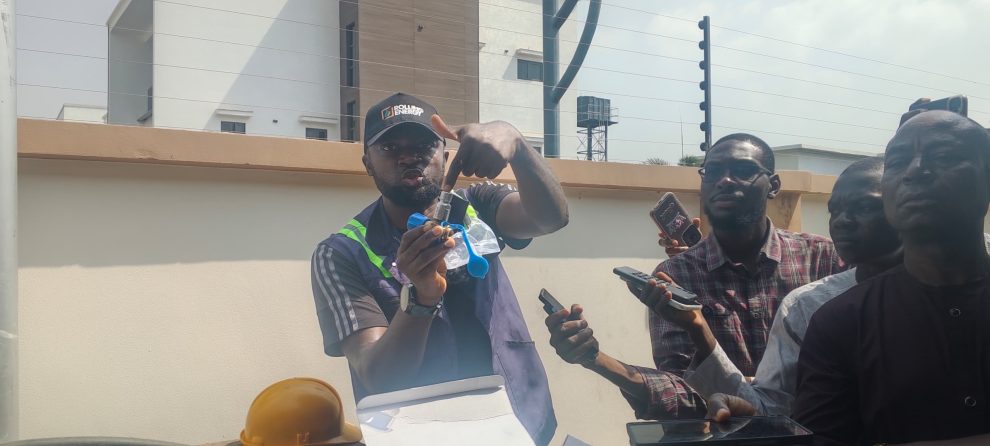
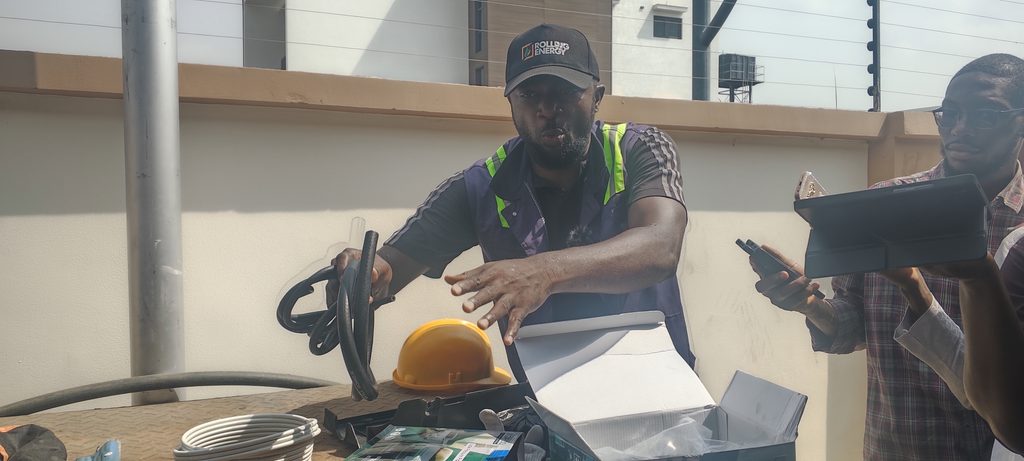
At a conversion workshop in Abuja’s Jahi district, technicians spend hours retrofitting standard petrol cars into dual-fuel hybrids. A conversion costs between 600,000 and 750,000 naira ($380–$480), depending on the size of the heavy-duty gas cylinder installed in the boot. Once fitted, drivers like Adeolu Bamidele say the financial relief is immediate.”Motorists prefer a cheaper and more cost-effective option, particularly amid rising fuel costs, and I have recorded considerable savings since switching to CNG,” Mr. Bamidele told reporters. However, his savings come with a catch: the wait to fill up. With conversions accelerating faster than the rollout of refilling infrastructure, Mr. Bamidele described queues of 150 to 200 cars waiting at stations—a bottleneck he urged authorities to fix urgently.
The danger of makeshift tanks
Beyond the queues, industry engineers and government officials are raising the alarm over deadly shortcuts taken by motorists trying to bypass accredited workshops. Recent reports of CNG vehicle explosions have fuelled public anxiety. According to Julius Yaama, technical process manager at the Rolling Energy conversion centre, those incidents are largely driven by unauthorised modifications—specifically drivers welding or attaching improvised, uncertified cylinders onto approved gas systems.”CNG cylinders are specially manufactured to withstand high pressure,” Mr. Yaama warned, noting that standard workshops routinely turn away cars with rusted boots or weak suspension systems incapable of safely bearing the heavy tanks. Faulty spark plugs or ignition coils must also be repaired before a vehicle is cleared for conversion, as the gas system operates alongside—rather than replaces—the car’s original engine components.
Push for regulation
To counter safety fears and mark UN World Sustainable Transport Day, the Presidential Initiative on Compressed Natural Gas and Electric Vehicles (Pi-CNG & EV) is urging drivers to verify workshops through its official portal before handing over their vehicles.
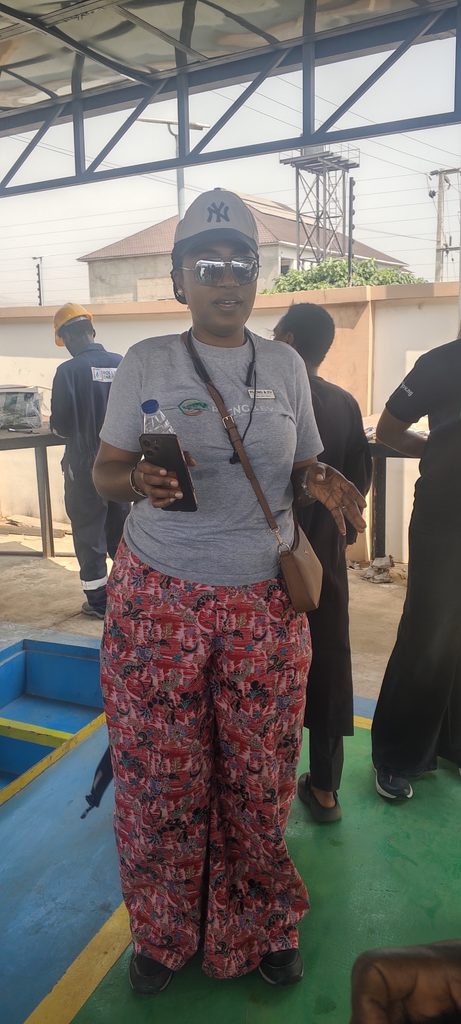
Onyekachi Eke, the agency’s head of brand and communications, said proper installation by certified technicians remains the deciding factor in keeping Nigeria’s push toward cleaner, cheaper transport safe.
For now, Nigerian drivers face a delicate balancing act: navigating the upfront cost of conversion and hours-long queues at the pump in exchange for escaping the high price of petrol.



Add Comment