

Nigeria’s electoral body has urged journalists to investigate vote buying as a matter of priority ahead of a key governorship election in August.
The Independent National Electoral Commission (INEC) wants the media to document incidents in detail so that offenders can be prosecuted. It comes after widespread reports of politicians using cash and vouchers to bypass detection during an election in neighboring Ekiti State earlier this month. The next vote, in south-western Osun State on August 15, is seen as a major test for the country’s electronic voting systems.
Vouchers redeemable outside
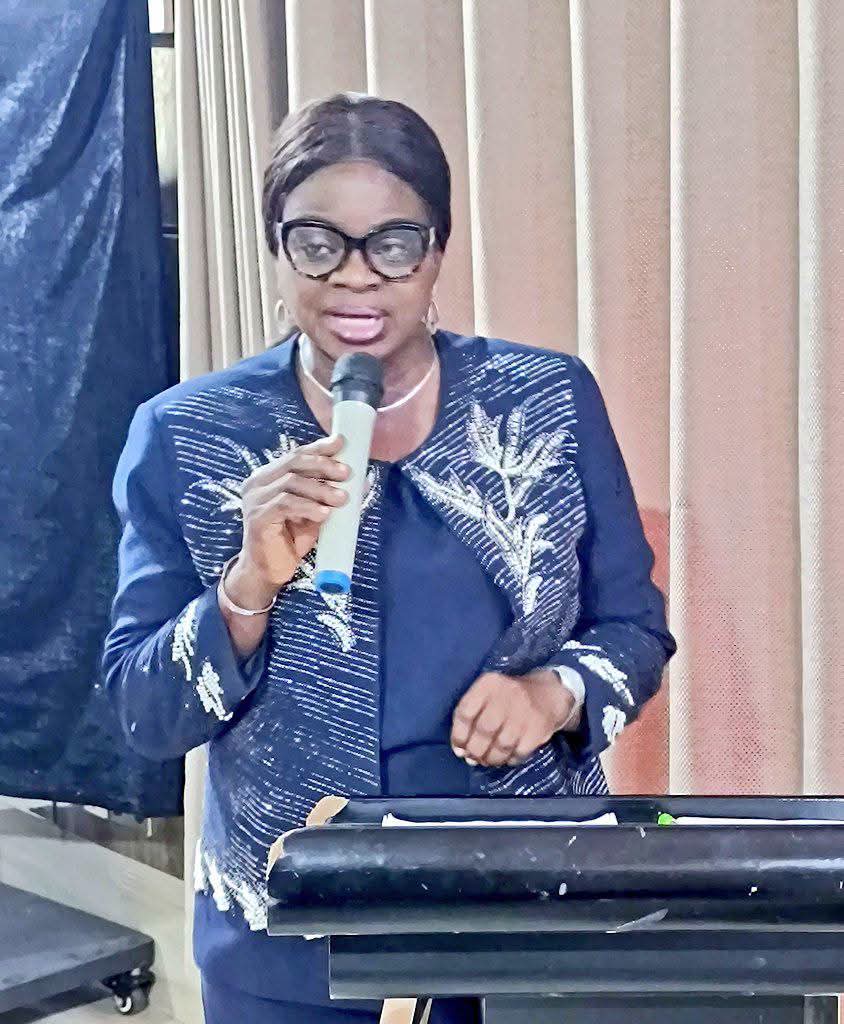
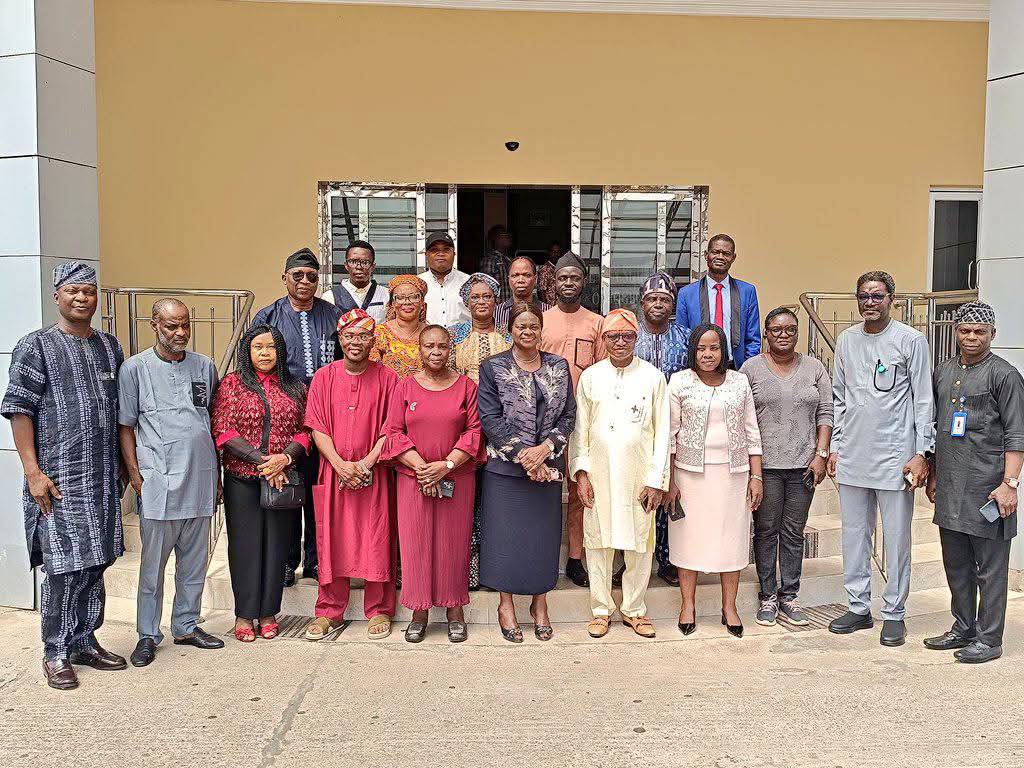
At a media forum in the state capital, Osogbo, INEC official Mohammed Haruna warned that vote buying had become the “most alarming development” in recent Nigerian politics. In the June 20 election in Ekiti, political agents reportedly handed out numbered vouchers to voters, which could later be exchanged for cash away from polling stations. Under Nigeria’s Electoral Act, anyone convicted of vote trading faces up to two years in prison, a heavy fine, and a 10-year ban from public office.INEC says investigative reports detailing names, locations, and cash amounts will be shared directly with the police and anti-graft agencies.
Technology and turnout.
Fourteen political parties are contesting the Osun election, including the incumbent governor. Preparations are already underway to deploy high-tech voting systems across the state’s 30 local government areas: BVAS: The Bimodal Voter Accreditation System, which uses facial and fingerprint recognition to verify voters.
IReV: An online portal allowing the public to view polling station results in real time. While these technologies performed well in Ekiti—with a 96% functionality rate for biometric machines—electoral officials are deeply concerned by a trend of low voter turnout. Fewer than four in ten registered voters turned up to cast their ballots in Ekiti, a slump that INEC is now relying on local media to help reverse through public awareness campaigns.



Add Comment