
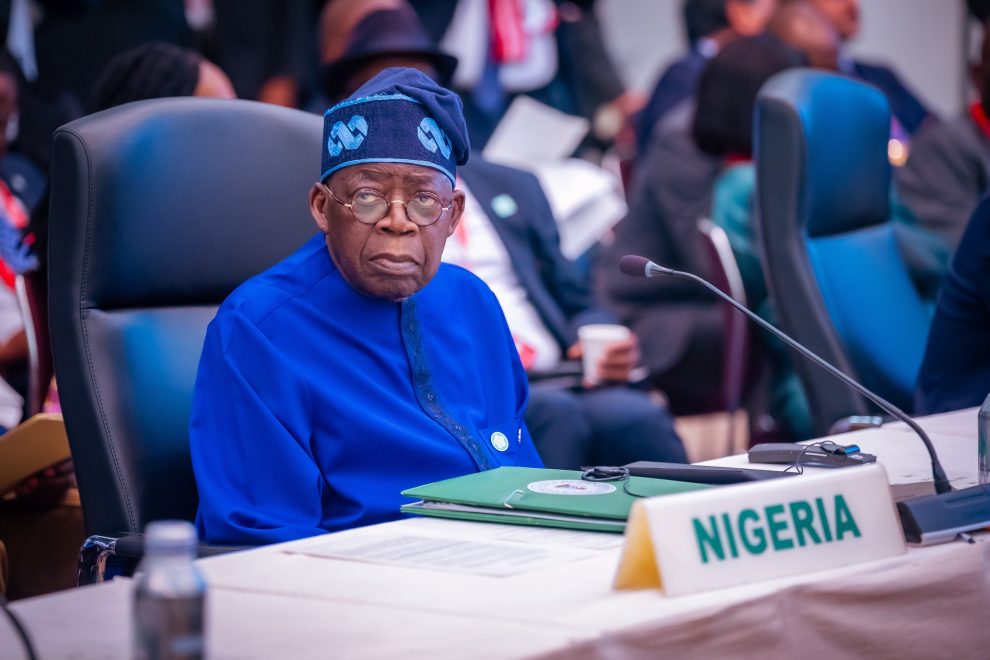

A pro-government support group has praised Nigeria’s new public procurement policy, predicting it will close costly loopholes and save billions in public funds by curbing inflated contract costs.
The Tinubu Media Volunteers (TMV) strongly endorsed the updated guidelines, which target “contract variations”—the process where the price of a state-funded project is increased or adjusted after a contract has already been awarded.
Historically, arbitrary project cost extensions across Nigeria’s ministries, departments, and agencies (MDAs) have been a major source of fiscal leakage and corruption allegations in Africa’s largest economy. The TMV believes the new regulations will finally restore financial sanity to the system.Under the rules, the Bureau of Public Procurement (BPP)—Nigeria’s anti-corruption procurement watchdog—will act as a centralized clearinghouse. No government agency can alter contract sums without first obtaining a formal “Certificate of No Objection” from the bureau.
Stricter Financial Thresholds
In a statement signed by TMV Chairman Chukwudi Enekwechi and Secretary Segun Ogedengbe, the group noted that the new rules replace outdated regulations from 2013, which previously required direct presidential approval for any project cost increases exceeding 15% on contracts valued over 1 billion naira. Under the new framework, the specific amount of the increase itself—rather than the original cost of the entire project—will dictate which level of government must review and approve the extra spending:
10 billion naira and above: Must be approved by the highest authorities, including the Federal Executive Council (the president’s cabinet), the National Assembly, or the National Judicial Council.
5 billion to under 10 billion naira: Devolved to the respective Ministerial Tenders Boards.
75 million to under 5 billion naira: Managed locally by individual Parastatal or Judicial Tenders Boards.
The regulations also make the utilization of finalized, comprehensive engineering designs mandatory before contracts are awarded, a measure designed to prevent contractors from intentionally underbidding only to demand massive price hikes later.
Tackling Public Waste
Public procurement in Nigeria has long faced international scrutiny over transparency, with critical infrastructure projects in roads, power, and housing frequently stalled due to funding disputes and contested cost extensions. The TMV praised President Bola Tinubu’s administration for activating the policy, describing it as a necessary step to restore sanity to the system.”We consider the new guidelines as apt in Nigeria’s contract management and administration as they will help plug loopholes and restore sanity and transparency,” the group said, adding that the tighter oversight would ultimately promote better governance for the benefit of all Nigerians.


Add Comment