
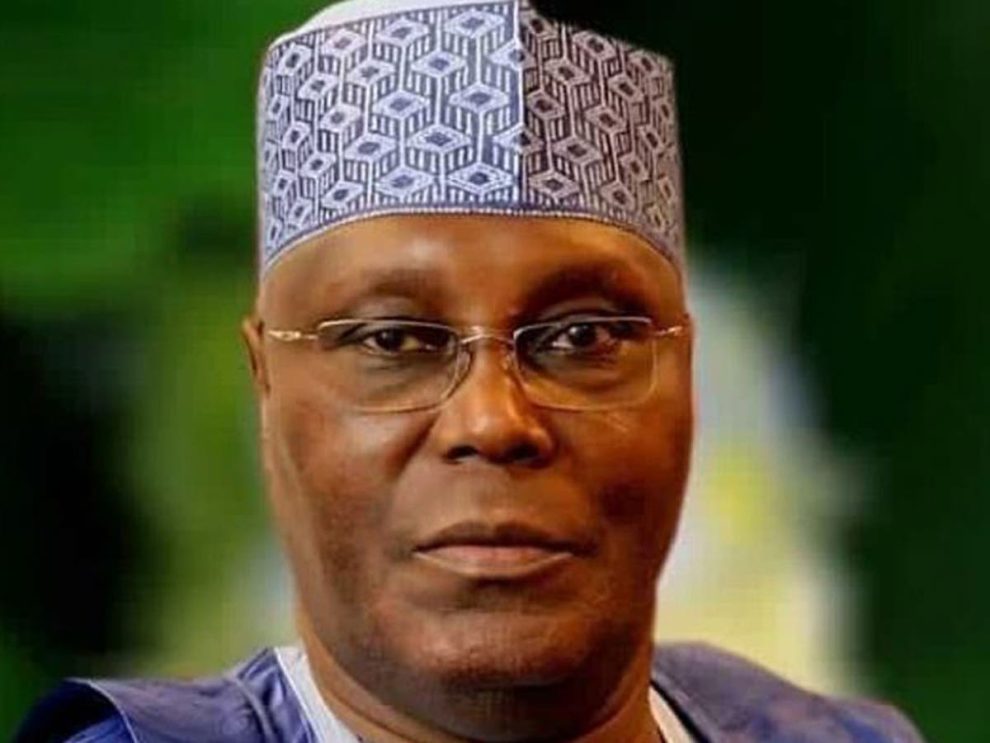

ABUJA, Nigeria — Former Vice-President Atiku Abubakar has launched a fierce critique of President Bola Tinubu’s administration following reports that the federal government is negotiating a fresh $1.25bn (£1bn) loan from the World Bank.
In a statement issued on Sunday through his media aide, Olusola Sanni, the opposition leader warned that Nigeria is sinking into an unsustainable “debt dependency” trap with no visible benefits for its citizens.
Mr. Abubakar described the proposed credit facility as further evidence of a “reckless, opaque, and dangerously habitual” reliance on foreign loans, coming at a time when millions of Nigerians are already grappling with soaring inflation and economic hardship.
‘Economic Vandalism’
The latest political row highlights deep domestic anxieties over the country’s soaring debt profile, which has risen sharply since the unification and subsequent devaluation of the local currency, the naira.
The former vice-president, who stood as the main opposition candidate in the 2023 election, accused the current government of mistaking borrowing for governance.
“Loans are not achievements. Debt is not development,” Mr. Abubakar said. “And mortgaging the future of unborn Nigerians to fund present incompetence is not economic management—it is economic vandalism.”
He noted the deep irony that Nigeria is sliding back into heavy debt exposure, decades after the country painstakingly secured a historic multi-billion-dollar debt relief package from the Paris Club in 2006—a feat achieved when Mr. Abubakar served as vice-president.
The Borrowing Dilemma
Nigeria is now tied with Bangladesh and Pakistan for the highest exposure to the World Bank’s International Development Association (IDA), which is generally reserved for the poorest countries.
Mr. Abubakar questioned why the government is pursuing fresh credit lines when officials repeatedly claim that recent market reforms—such as the removal of the petrol subsidy and improved tax collection—have significantly boosted public revenues.
He challenged international lenders to intervene:
- Stricter Conditions: He called on the World Bank to demand higher transparency and strict compliance before releasing funds.
- Measurable Outcomes: He urged creditors to look for tangible proof of development, noting that Nigerian roads remain “death traps” and electricity supply remains poor.
- A Call for Audits: He demanded the federal government publish a full account of all foreign loans obtained since May 2023, detailing the specific projects tied to them.
Government Defends Strategy
The Debt Management Office (DMO) recently revealed that Nigeria’s total public debt stock had climbed past 97 trillion naira ($63bn), largely inflated by the recalculated value of external loans following currency reforms.
The presidency and the finance ministry have not yet officially responded to Mr. Abubakar’s latest broadside. However, government officials have previously defended their fiscal strategy, insisting that external borrowing is a painful necessity to stay afloat.
The administration maintains that the loans are highly concessional, low-interest facilities targeted at vital infrastructure, agriculture, and social welfare palliatives designed to cushion the impact of its long-term economic reforms.


Add Comment