
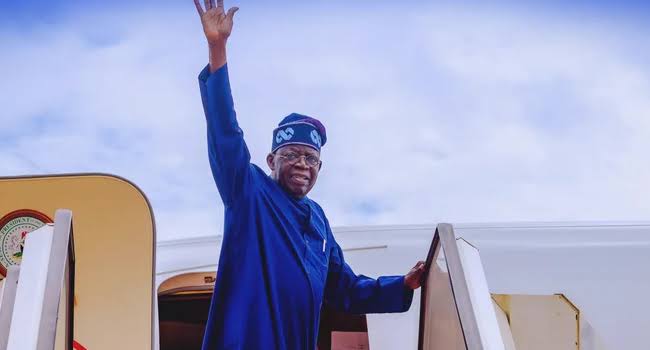

ABUJA — The Nigerian Presidency has dismissed claims that President Bola Tinubu’s administration has accumulated ₦120 trillion in debt over the past three years, labeling the figures as misleading opposition propaganda.
In a statement posted on X on Sunday, the Special Assistant to the President on Social Media, Dada Olusegun, refuted viral graphics comparing cumulative borrowing across past administrations with the current government’s record. Olusegun argued that comparisons using a historical figure of ₦46 trillion for previous administrations were fundamentally flawed because they concealed ₦22.7 trillion in Central Bank “Ways and Means” overdrafts that were not officially recognized on national books until May 2023. Furthermore, he explained that naira-denominated spikes in public debt were largely driven by exchange-rate unification in June 2023, which revalued existing dollar-denominated liabilities overnight without new borrowing.
,According to official figures, Nigeria’s total public debt rose in dollar terms from $113.4 billion in June 2023 to $120.9 billion by June 2026—an actual increase of $7.5 billion. Total public debt climbed from approximately ₦87.38 trillion at the start of the administration to ₦166.79 trillion by June 2026, driven significantly by the 2023 currency float and the formal securitization of inherited Central Bank advances.
Defense of subsidy removal and fiscal allocations
Defending the administration’s fiscal reforms, Olusegun noted that the removal of the petrol subsidy has substantially boosted monthly Federation Account Allocation Committee (FAAC) revenues shared among federal, state, and local governments, rising from ₦656 billion in April 2023 to ₦2.4 trillion by September 2026.
The rebuttal follows a formal request sent by President Tinubu to the Senate last week to approve a $7.7 billion external borrowing plan to partially finance the 2026 budget deficit, replacing a previous higher request. The borrowing proposal has drawn sharp criticism from opposition platforms, including the Nigeria Democratic Congress, which raised concerns over the country’s mounting debt trajectory and its long-term economic implications.



Add Comment