

ABUJA, Nigeria — President Bola Tinubu has launched a high-level task force to overhaul Nigeria’s petroleum sector, aiming to unlock up to $10bn (£7.8bn) in investment and end years of structural inefficiency.
The “Presidential Petroleum Reform & Value Optimisation Taskforce” has been given a six-month mandate to produce a series of blueprints to modernise the industry, which remains the backbone of Africa’s largest economy.
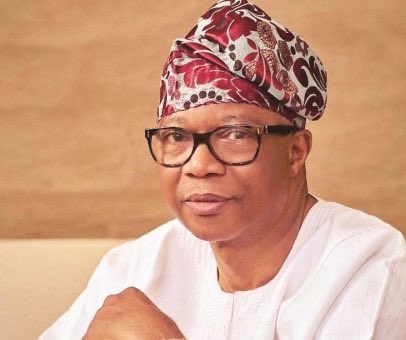
The group will be chaired by Fola Adeola, the influential co-founder of Guaranty Trust Bank. His appointment is seen as a signal to international markets that the government is seeking private-sector expertise to drive its energy strategy.
Unlocking Capital
The task force has been asked to deliver three specific “blueprints” to the President:
- Immediate Fixes: A toolkit for legislative and institutional restructuring to be implemented straight away.
- Liquidity Boost: A plan to attract between $5bn and $10bn of fresh capital into the sector.
- Ten-Year Roadmap: A long-term strategy to improve cost-competitiveness and increase foreign exchange earnings.
Nigeria has struggled for years with declining oil production due to ageing infrastructure, insecurity in the Niger Delta, and a lack of new investment. President Tinubu’s administration has already introduced several bold reforms, including the removal of a costly fuel subsidy, but this new task force represents an attempt to provide “institutional clarity” to the reform process.
Streamlining Governance
To avoid the bureaucratic delays that have hampered previous efforts, the President has ordered all existing committees and government agencies to align their work with the new task force. The body will report directly to the President, providing monthly progress updates until its final report is submitted in six months.
“This is a technical reform body, not a representative committee,” the presidency stated, noting that while industry experts and civil society will be consulted, the focus remains on “actionable policy design.”
The task force includes several high-profile figures from the Nigerian energy and financial sectors, including Osagie Okunbor and Abubakar Suleiman. It is expected to automatically dissolve once its final recommendations are accepted.
Investors will be watching closely to see if the group can successfully navigate the complex political and economic interests that have often stalled energy reforms in Nigeria in the past.


Add Comment