
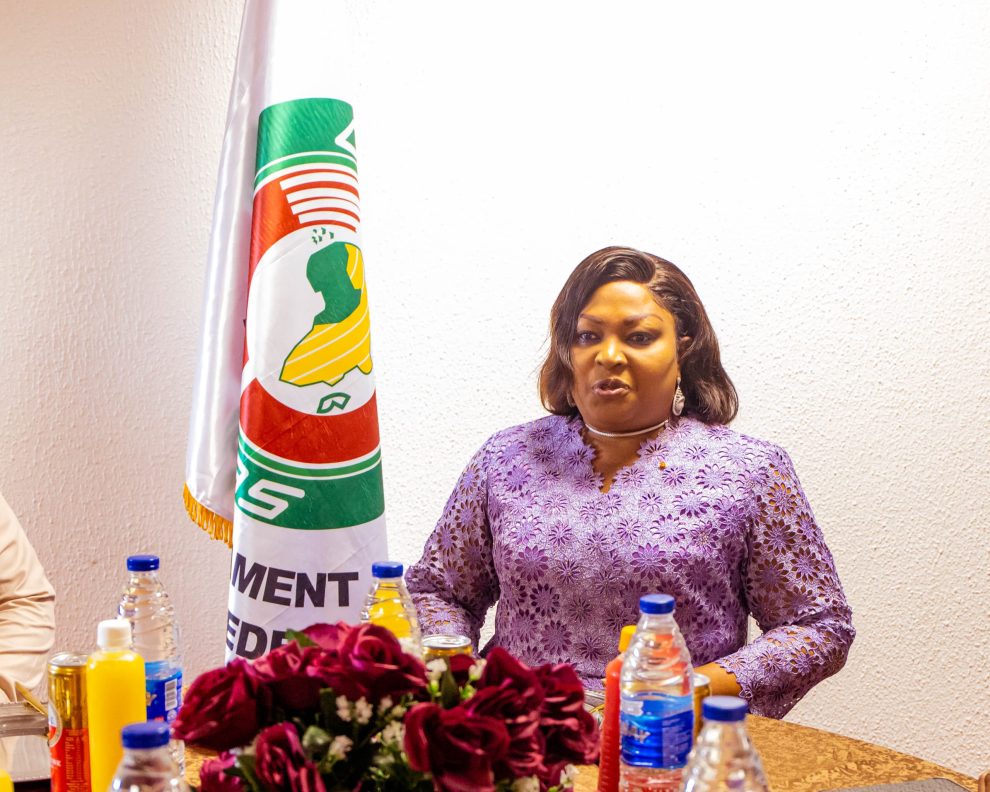

The ECOWAS Parliament has issued a stark warning that West Africa’s educational systems require an immediate and radical overhaul to prevent a growing “disconnect” between the classroom and the modern economy. At a high-level regional meeting in Lome, Togo, officials warned that the current mismatch between school curricula and the job market is stifling productivity and threatening the long-term stability of the sub-region.
Certificates are not enough
The President of Togo’s National Assembly, Prof. Komi Selom Klassou, told delegates that education must be viewed as a “strategic lever” for sovereignty rather than just a basic right.In a speech delivered by the Speaker of the ECOWAS Parliament, Hadja Mémounatou Ibrahima, Prof. Klassou argued that the region’s “demographic wealth”—its massive youth population—could only become an economic asset if teaching programs are redesigned.”Our nations cannot achieve sustainable emergence without qualified human capital,” he warned. “We risk perpetuating a cycle of disconnection that hinders productivity, competitiveness, and stability.”The call for reform comes as West African nations grapple with high rates of youth unemployment despite increasing numbers of graduates. Delegates argued that the system remains too focused on “producing certificates” rather than fostering practical skills in technology, agriculture, and entrepreneurship.
The ‘Skills Gap’ Paradox
The Chairman of the Committee on Education, Kweku Hagan from Ghana, highlighted a “troubling paradox” facing the region: thousands of vacancies in the labor market existing alongside thousands of unemployed youth who lack the specific skills to fill them.”Our labour markets are shifting faster than our curriculum,” Mr. Hagan said. He called for a fundamental shift toward “competency-driven” learning, urging the integration of:
Digital literacy and emerging technologies.Green skills to combat climate vulnerability.
Technical and Vocational Training (TVET) to boost industrialisation.
A Legal Mandate for Change
The meeting, which brought together committees on education, health, and telecommunications, reminded member states that there is already a legal framework for these reforms. The 2003 ECOWAS Protocol (A/P3/1/03) mandates the harmonisation of educational policies across the bloc. Officials are now pushing for this to be enforced through stronger public-private partnerships and the standardisation of qualifications to allow for easier migration of skilled labor across West African borders. The Togolese delegation highlighted ongoing national reforms as a potential blueprint, citing increased investment in continuous training and problem-solving pedagogical approaches.
The Joint Committee is expected to formulate a set of strategic recommendations for regional heads of state, emphasizing that for West Africa to compete globally, its schools must stop following economic trends and start driving them.


Add Comment