
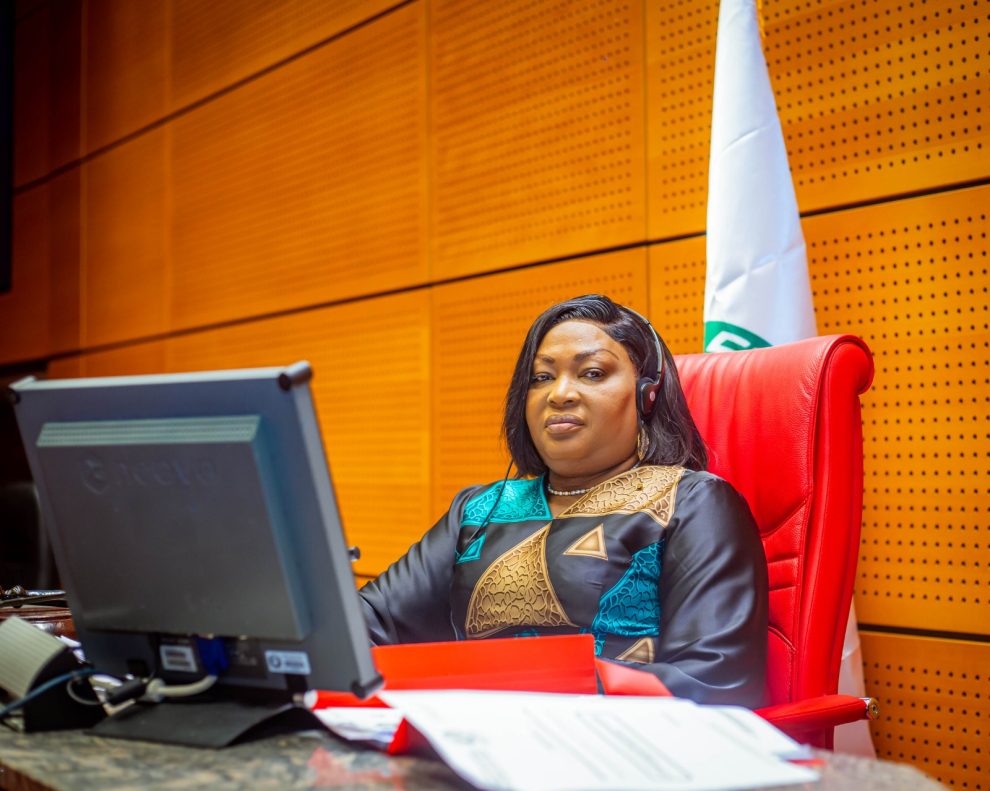

The ECOWAS Parliament concluded its first extraordinary session of 2026 in Abuja on Friday with a firm call to transform the African Continental Free Trade Area (AfCFTA) from a “hopeful agreement” into a tangible reality for millions of West Africans.
Addressing the assembly, the Speaker praised the hospitality of the Nigerian government under President Bola Ahmed Tinubu before pivoting to the complex challenges facing the regional bloc. The session followed an intensive seminar on the AfCFTA, which highlighted a divide between the project’s lofty ambitions and the gritty realities of cross-border trade.
Trade Barriers and Skepticism
While the AfCFTA promises to create the world’s largest free trade area, lawmakers expressed significant “legitimate concerns.” The debates underscored a series of persistent hurdles:
- Non-tariff barriers: Bureaucratic red tape and unofficial roadblocks.
- Infrastructural gaps: Poor road and rail links that make intra-African trade more expensive than trading with Europe or Asia.
- Social exclusion: Risks that women, youth, and informal traders—the backbone of the West African economy—could be left behind by large-scale legal frameworks.
”The implementation of the AfCFTA cannot be decreed; it is built step by step,” the Speaker noted, urging MPs to act as the “vigilant eyes” of the people to ensure national policies actually align with regional promises.
A Roadmap for 2026
The Parliament also adopted its official program of activities for the year, focusing on four pillars: Citizen Participation, Institutional Strengthening, Peace and Governance, and Facilitation.
A key highlight was the approval of the 2026 agenda for the ECOWAS Female Parliamentarians Association (ECOFEPA), reinforcing the role of women as “drivers of integration” in a region often dominated by male political voices.
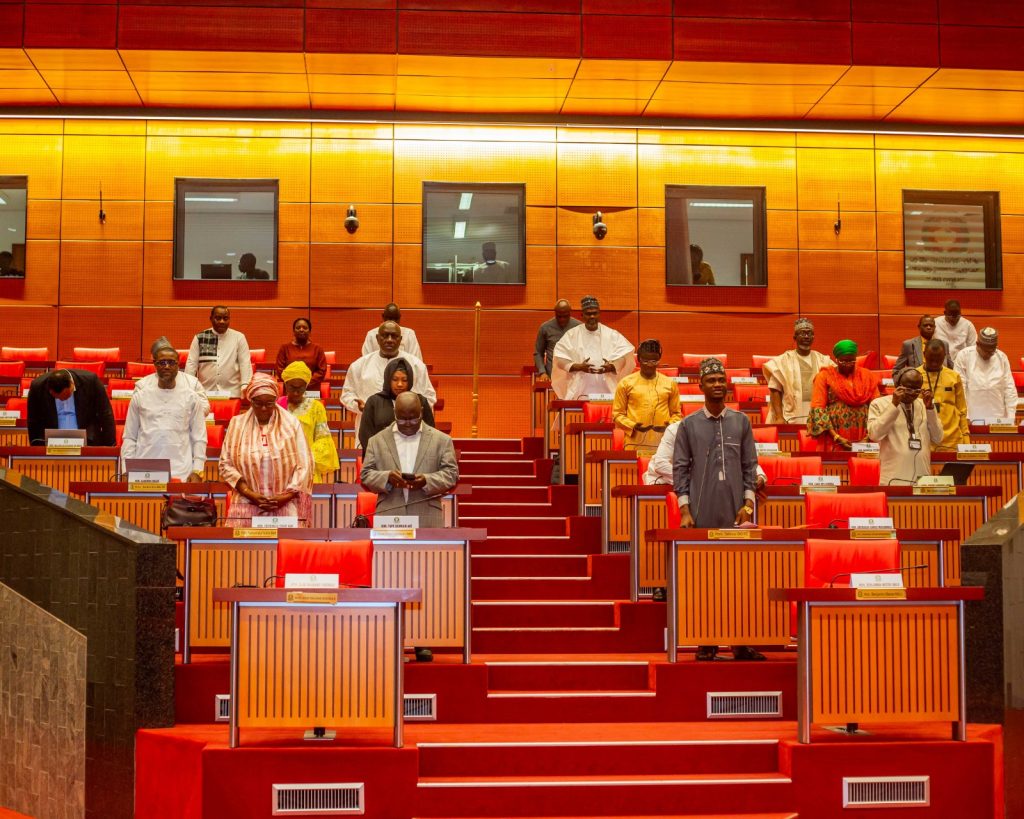
’Unity as a Shield’
The session comes at a time of heightened tension across West Africa. The region continues to grapple with “delicate political transitions” and a persistent threat from extremist groups in the Sahel.
The Speaker warned against the “temptation to withdraw” into isolationism, describing regional unity not just as a diplomatic goal, but as a “shield and bulwark” against economic vulnerability and climate emergencies.
As the session closed, the message to the Member States was clear: the time for “powerful ideas” within the walls of Parliament is over. The focus now shifts to whether these resolutions will translate into “courageous reforms” on the ground starting tomorrow.


Add Comment