


Nigeria’s foreign ministry and air force have pledged to coordinate their messaging to protect the country’s international reputation and combat misinformation.
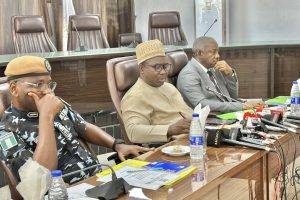
Following a “synergy visit” between spokespersons for both institutions on Monday, officials warned that uncoordinated or premature statements during security crises can turn local operational matters into major diplomatic headaches.
The meeting comes at a time of heightened international scrutiny over Nigeria’s security environment and its partnerships with foreign powers.
The challenge of ‘asymmetric’ war
Air Commodore Ehimen Ejodame, spokesperson for the Nigerian Air Force, highlighted the difficulty of communicating during modern conflict. He noted that because insurgents often hide within civilian populations, distinguishing combatants from non-combatants is a constant challenge.
“Nigeria is confronted predominantly with asymmetric and guerrilla-style threats,” he said, explaining that this sensitivity often limits what information can be released without risking the safety of troops or intelligence assets.

Avoiding ‘diplomatic pressure’
The Ministry of Foreign Affairs (MFA) spokesperson, Kimiebi Ebienfa, argued that gaps in communication between the military and diplomats have previously led to:
- Media speculation: Information vacuums being filled by unverified reports.
- Public anxiety: Confusion over the nature of security incidents.
- Diplomatic friction: Avoidable pressure from international partners when facts are not immediately clear.
Both parties agreed that “information warfare” is now a central part of modern conflict, and that Nigeria must be vigilant against narratives that could undermine the “professionalism or legitimacy” of its armed forces.
Sovereignty vs Partnership
The discussions also touched on the sensitive issue of foreign military cooperation.
With public speculation often rising over the intentions of international partners engaged in counter-terrorism, the spokespersons emphasized the need to frame these efforts as “partnerships” rather than “dependency.”
To prevent future lapses, the two bodies have agreed on a new framework for crisis communication, which will include:
- Early consultation: Briefing diplomats immediately during incidents with international implications.
- Joint simulations: Training spokespersons to handle media responses together.
- Evidence-based messaging: Ensuring religious and regional sensitivities are considered in areas affected by trauma and displacement.
The visit was described as a critical step toward ensuring Nigeria speaks with one voice on the global stage, especially as the country continues to navigate complex security and geopolitical challenges.


Add Comment