
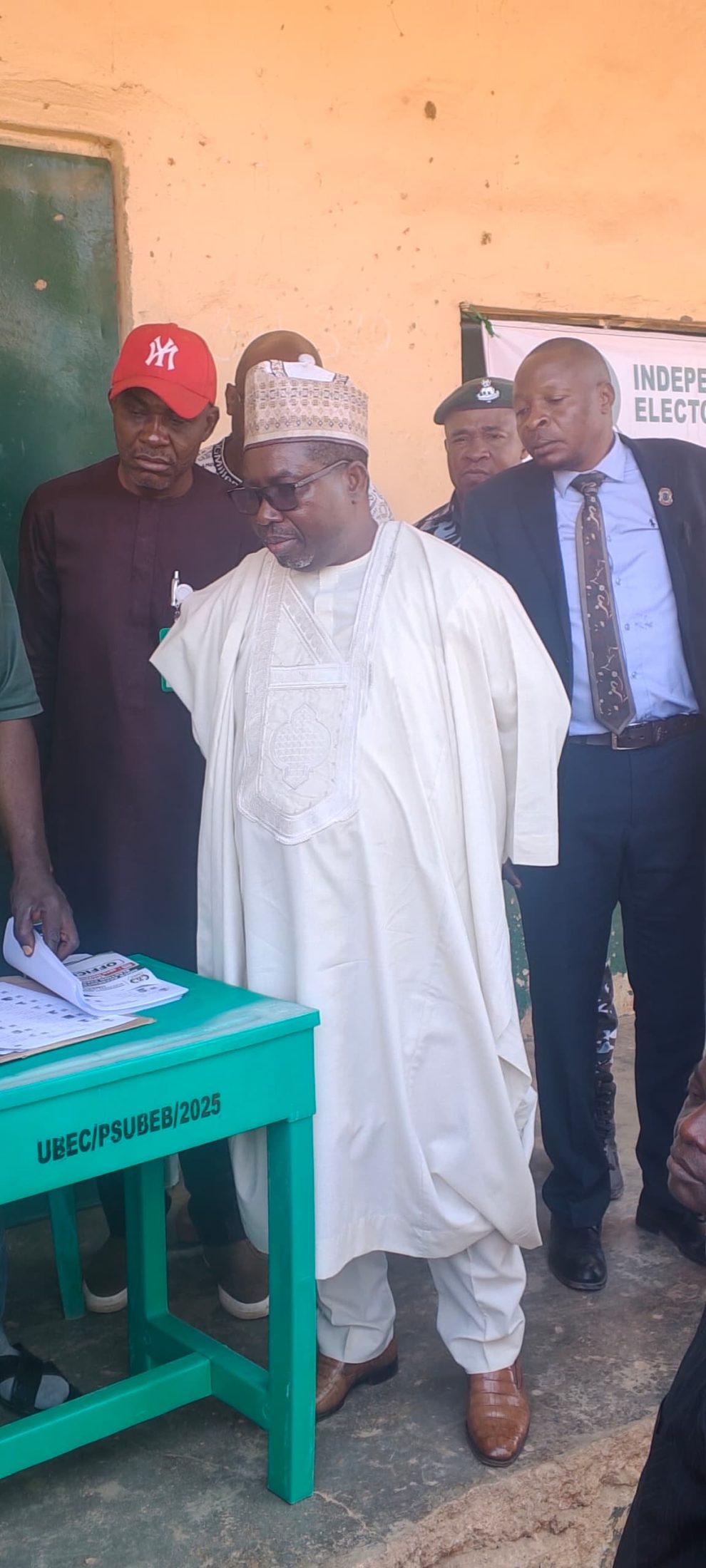

Nigeria’s electoral chief has declared the country’s voter verification technology ready for next year’s general elections, following a nationwide dry run designed to test polling systems.
Prof. Joash Amupitan, chairman of the Independent National Electoral Commission (INEC), said he was “satisfied” with the performance of biometric accreditation machines during Saturday’s mock exercise in central Plateau State. “We can see the resilience of the BVAS [Bimodal Voter Accreditation System], the fastness in verifying and accrediting voters,” Prof. Amupitan told reporters in the state capital, Jos.
Nigeria is scheduled to hold presidential and parliamentary elections on 16 January 2027, followed by governorship and state assembly polls on 6 February. Previous elections in Africa’s most populous nation have been marred by technical glitches, delayed result uploads and allegations of rigging.
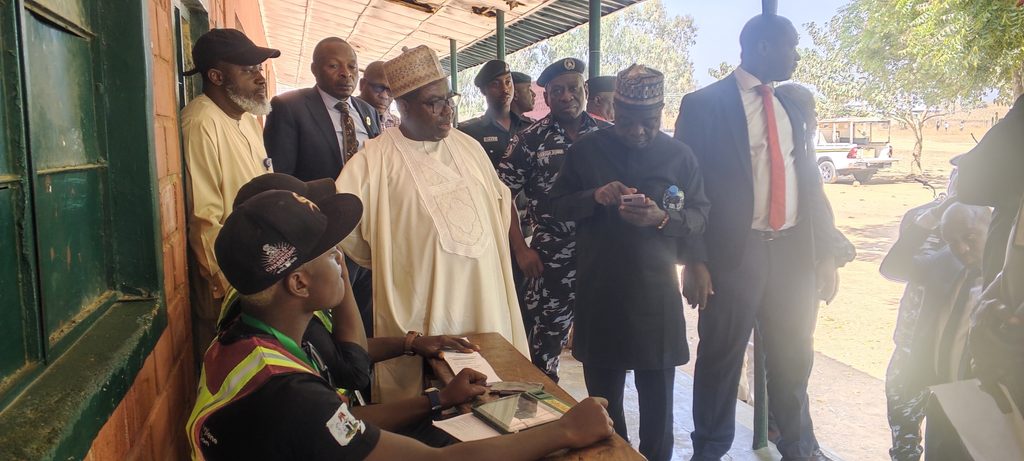
Speaking after inspecting polling units, Prof. Amupitan noted a marked improvement in fingerprint recognition compared with earlier off-cycle polls, adding that voters whose fingerprints failed were swiftly verified using facial recognition. While acknowledging that turnout for the rehearsal was low, he urged Nigerians to vote in large numbers in January, pledging that new safeguards would prevent past electoral flaws.”Using the BVAS, you can be sure that the election will be fair, it will be free, and also be credible,” he said.
Inclusion and security pledges
Electoral officials and police sought to address long-standing concerns over voter access and election-day violence—issues that frequently deter turnout in Nigeria’s middle-belt region. Prof. Amupitan confirmed that provisions had been made for vulnerable groups, including: Voters with disabilities: Disaggregated voter rolls to assign assistive tools, such as magnifying glasses and Braille ballot guides, to specific polling units.
Internally displaced persons (IDPs): Designated voting centres equipped with accreditation machines and dedicated security deployments.
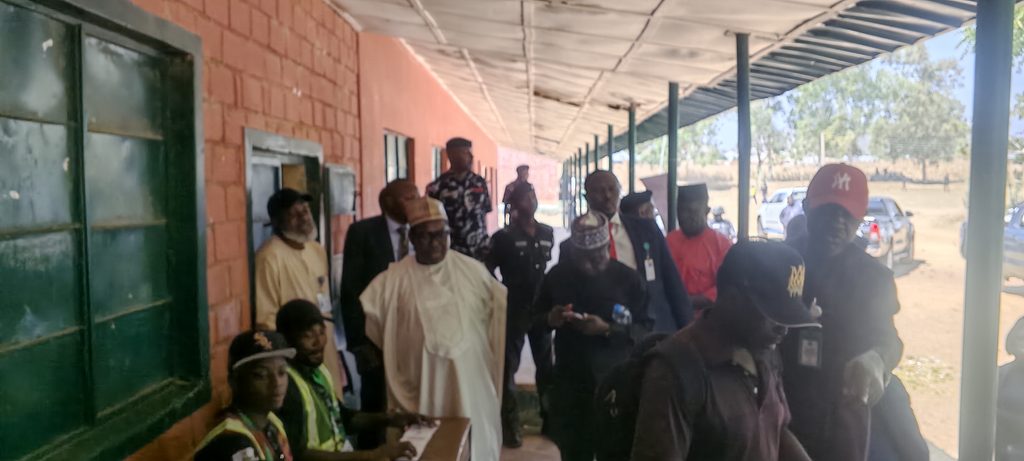
Plateau State’s Resident Electoral Commissioner, Prof. Sam Egwu, said polling stations opened on time and verified voters in under a minute. He stressed that electoral staff were strictly barred from bypassing biometric verification, dismissing fears that the 2027 polls could be compromised.”This democracy must be owned by everybody. It’s not INEC’s democracy,” Prof. Egwu said, urging civil society observers and citizens to scrutinise political parties alongside electoral officials.
Meanwhile, Plateau State Police Commissioner Sunday Okoebor vowed that security forces would remain strictly neutral and deploy across “ungoverned spaces” to prevent unrest. He urged political parties to submit campaign schedules in advance so officers could prevent rival rallies from clashing in busy commercial hubs such as Jos’s Terminus market area.”The police is apolitical. We are not a political party,” Mr. Okoebor said. “We are basically there to safeguard the integrity of the people’s vote.”

Add Comment