
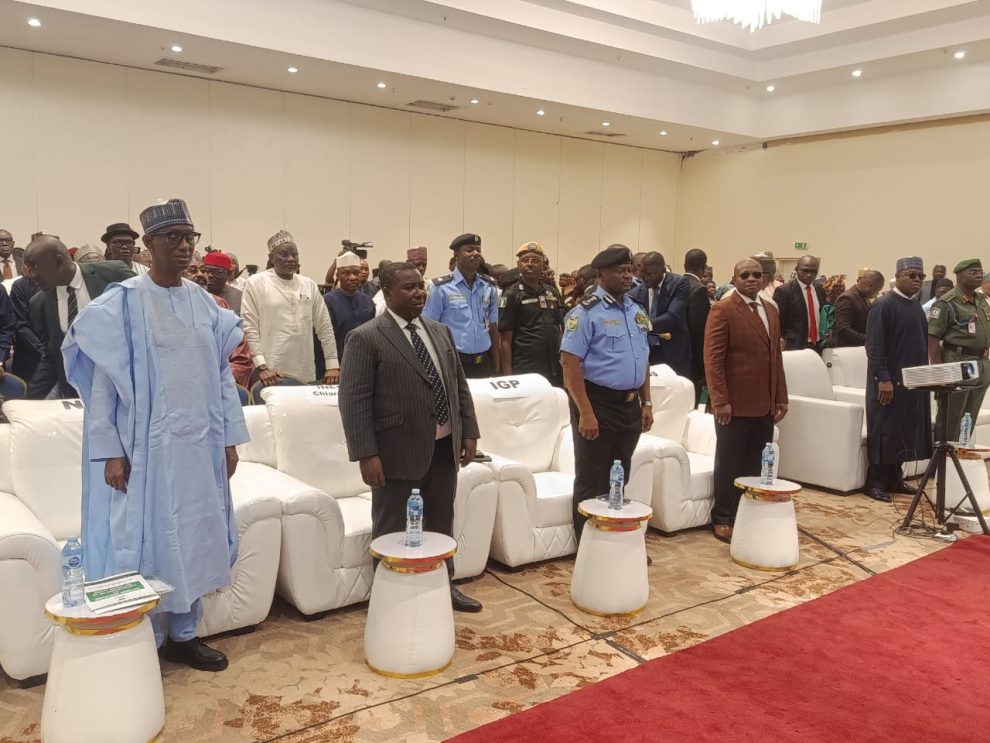

ABUJA — Nigeria’s Independent National Electoral Commission (INEC) and national security agencies have agreed to step up intelligence sharing and adopt preventive security deployments to curb political violence ahead of the 2027 general elections.
The resolution was reached on Thursday, 26 November 2026, in Abuja during the INEC–Office of the National Security Adviser (ONSA) Strategic Election Security Conference, where officials stressed the need for early threat detection and non-partisan law enforcement across the country.
Addressing the conference, INEC Chairman Prof. Joash Amupitan described the upcoming vote—with presidential and National Assembly elections scheduled for 16 January 2027, followed by governorship and state assembly polls on 6 February—as a critical test for Nigeria’s democratic institutions.
With more than 100 million registered voters across 177,299 polling units, supported by over 1.41 million temporary staff and 57,000 newly acquired Bimodal Voter Accreditation System (BVAS) machines, Prof. Amupitan warned that emerging security threats could undermine public trust if not tackled early.
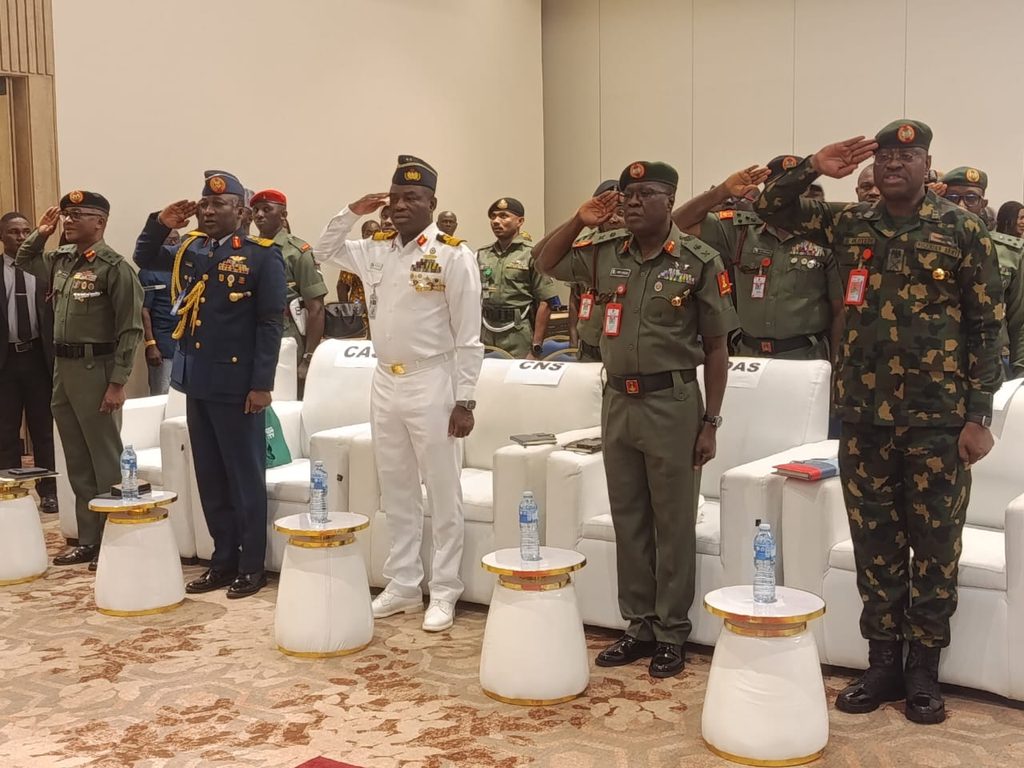
Condemning recent attacks on campaign convoys, party offices, supporters, and electoral staff, he declared that INEC “would not succumb to intimidation” or external pressure, while challenging political party leaders to rein in grassroots supporters so peace pledges hold on the ground.
Ward-level coordination and logistics protection
Calling on the Inter-Agency Consultative Committee on Election Security (ICCES) to shift from reactive responses to intelligence-led prevention, the INEC chairman outlined key operational priorities spanning the entire electoral cycle:
- Grassroots Security Networks: INEC is decentralizing ICCES coordination beyond state capitals down to local government areas and wards, requiring Resident Electoral Commissioners and state police chiefs to maintain active communication channels and emergency response plans ahead of polling day.
- Protecting Difficult Terrain & Vulnerable Voters: Security agencies were urged to guarantee the safe transit of sensitive election materials and staff from distribution hubs to polling units—particularly in riverine areas and difficult terrain—alongside dedicated protection for internally displaced persons, women, elderly voters, and persons with disabilities.
- Logistics Oversight: The commission noted it has already inaugurated an Electoral Logistics Committee, chaired by retired Rear Admiral Jamila Malafa, to coordinate storage, transport, and distribution of materials nationwide from pre-election campaigns through to result collation.



Add Comment