
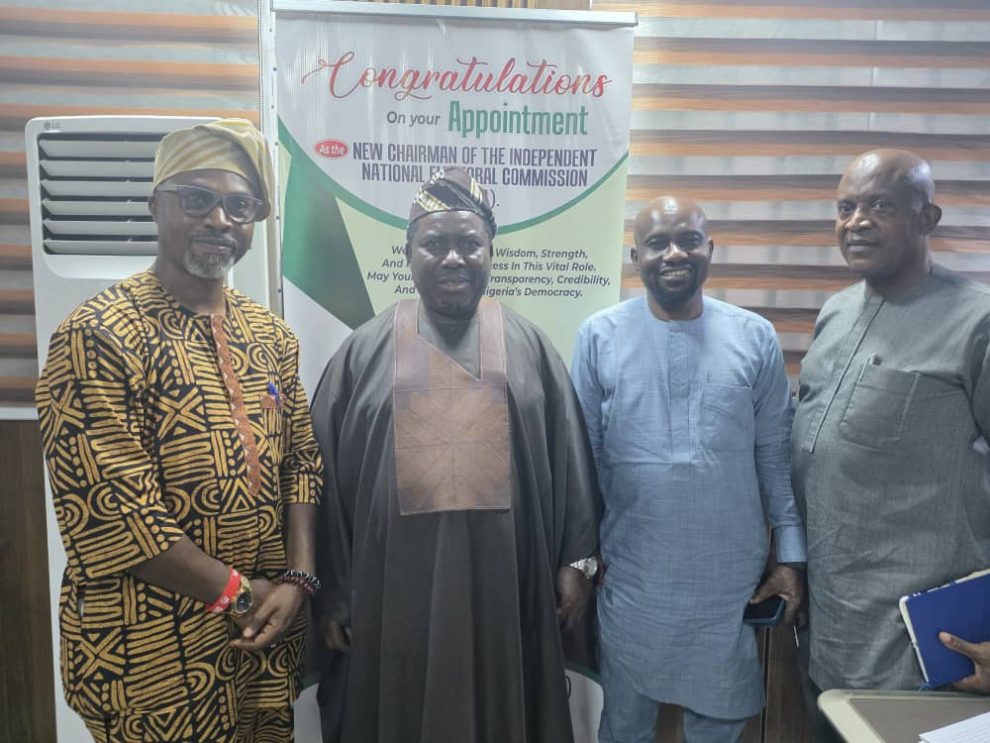

The head of Nigeria’s electoral body has made a rare admission that the commission faces a “significant trust deficit” among the public, calling on the media to help restore confidence ahead of a marathon cycle of voting.
Professor Joash Amupitan, the Chairman of the Independent National Electoral Commission (INEC), told a gathering of specialist reporters in Abuja that the body is acutely aware of the skepticism held by many in Africa’s most populous democracy.
The meeting was the first formal engagement between the leadership and the INEC Press Corps led by Segun Ojumu since Professor Amupitan, a senior lawyer, was appointed to the role in late 2025. He succeeded Professor Mahmood Yakubu, whose tenure saw significant debate over the use of technology in the 2023 polls.
The ‘Litmus Test’ for 2026
Before the country reaches the general elections, the commission faces two critical “off-cycle” governorship polls in the southwest. These are widely seen by international observers as a barometer for the commission’s logistical readiness and impartiality.
The scheduled dates for these key contests are:
- Ekiti State: 20 June 2026
- Osun State: 8 August 2026
“Nigerian elections are a huge logistical challenge,” said Segun Ojumu, Chairman of the INEC Press Corps, who led the media delegation. He noted that managing a process for over 200 million people requires the “collaboration of all stakeholders” to succeed.
Countdown to 2027
The commission has also confirmed the timeline for the next nationwide general elections, which will be governed by the newly enacted Electoral Act 2026. The legislation was designed to address previous technical loopholes and streamline the transmission of results.
The 2027 roadmap includes:
- 16 January 2027: Presidential and National Assembly elections.
- 6 February 2027: Governorship and State House of Assembly elections.
Bridging the gap
Professor Amupitan urged journalists to act as partners in ensuring the transparency of the process is effectively communicated to the electorate.
The move toward a more “open-door” policy with the media suggests a strategic shift in how the commission intends to handle the high-pressure environment of Nigerian politics. Professor Amupitan has pledged to deliver “free, fair, and inclusive” polls, but analysts suggest that in a country with a history of contested results, the “trust deficit” remains the commission’s most difficult hurdle to clear.


Add Comment