

Nigeria has recouped more than N6 trillion ($3.8bn) in less than a year following the controversial decision to deregulate its petroleum sector, according to official figures.
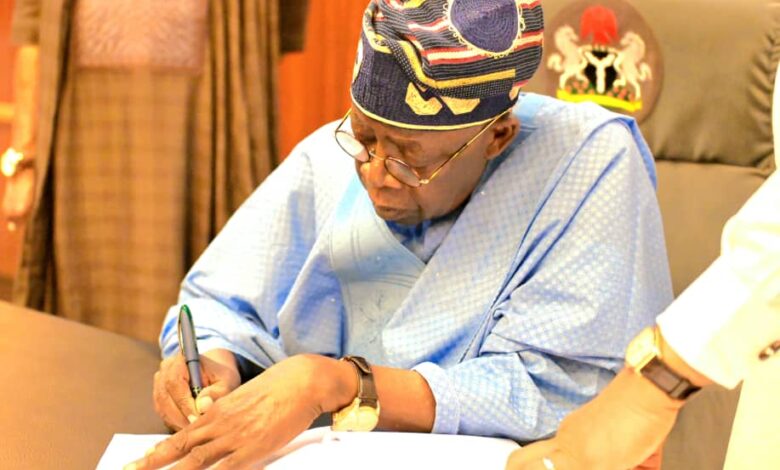
The Democratic Front (TDF), a policy advocacy group, says the massive “gain” is the clearest evidence yet that President Bola Tinubu’s economic overhaul is working.
In a statement released on Wednesday, the TDF argued that the milestone—achieved in the first nine months of 2025—would have been impossible without “sweeping and courageous” reforms.
Turning the tide on waste
For decades, Nigeria, Africa’s largest oil producer, spent trillions of naira annually to keep domestic fuel prices artificially low. Critics argued the system was a “monumental waste” that fueled cross-border smuggling and enriched middle-men rather than the poor. The TDF noted that by removing these subsidies and allowing market forces to take over, the government has: Plugged fiscal leaks: Saved taxpayers’ money previously lost to “bureaucratic regulations” and subsidy scams.
Attracted private capital: Created a more lucrative environment for investors in domestic refining. Stabilized supply: Virtually eliminated the perennial fuel queues that once defined Nigerian cities.
Improving transparency
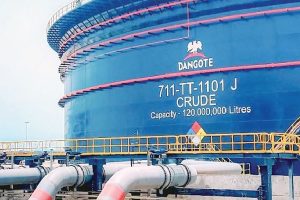
“This development confirms the success of policy-driven reforms,” said Mallam Danjuma Muhammad, Chairman of the TDF. He predicted that Nigeria’s standing on the global Corruption Perception Index would likely improve as a result of eliminating the “sharp practices” that plagued the state-run fuel system. The group also credited President Tinubu’s executive orders for creating a “renaissance” in the downstream sector, which is now seeing increased local ownership and domestic production, notably from the massive Dangote Refinery.
The Bottom Line
While the N6 trillion saving is a significant win for the national treasury, the TDF acknowledged that the transition has required “national sacrifice” from citizens facing higher prices at the pump. The group called on the industry regulator, the NMDPRA, to ensure the market remains competitive and transparent to ensure these savings eventually translate into long-term economic relief for the public.


Add Comment