


ABUJA – Nigeria’s electoral umpire says it has “perfected” its digital accreditation technology, reporting speeds of under five seconds per voter during a high-stakes dress rehearsal in the nation’s capital. On Saturday, the Chairman of the Independent National Electoral Commission (INEC), Prof. Joash Amupitan, led a delegation across the Federal Capital Territory (FCT) to “pressure-test” the Bimodal Voter Accreditation System (BVAS) ahead of the February 21 Area Council elections.The mock exercise aimed to ensure the technology—which uses fingerprints and facial recognition to verify identities—is robust enough to prevent the double-voting and technical glitches that have marred previous Nigerian polls.
A ‘Game Changer’:Under Five Seconds
During field assessments at polling units in Garki, Wuse, and Dutse, Prof. Amupitan observed the upgraded devices in action. He described the hardware as a “game changer” for the integrity of the ballot.”We have improved on the BVAS, and we do not want to use the main election as a testing ground,” Prof. Amupitan told reporters. “This is basically to test operational preparedness… and our major focus here is the functionality of the BVAS.”In one simulation, the system successfully flagged and blocked a repeat accreditation attempt. The Commission confirmed that the new protocols allow the devices to function even in areas with poor internet coverage. To bypass potential network “dead zones,” presiding officers have been equipped with personal hotspots, and the system is designed to automatically upload results to a public portal (IReV) as soon as a signal is detected.
Logistics and Learning
The Commission confirmed that logistics are already in motion:
Materials: All non-sensitive election materials have been deployed to Area Councils.
Personnel: Training-of-Trainers (ToT) for supervisory officers is underway, with an emphasis on strict adherence to official manuals to ensure uniformity across the territory.
Security: Enhanced operational and security protocols have been integrated into the software to prevent hacking or manipulation.
Low Turnout Concerns
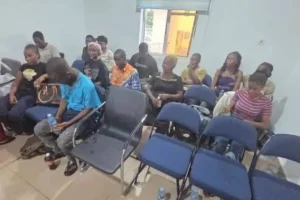
Despite the technical successes, the exercise was shadowed by a lack of voter engagement. Prof. Amupitan expressed concern over the low turnout at the mock stations, reminding the public that technology alone cannot sustain a democracy.”You can vote today and shape your tomorrow,” he said, shifting the burden of mobilization to the political parties. “If you want to predict your tomorrow, you should create it now.”
The upcoming elections are seen as a critical test for INEC’s ability to restore public confidence in the digital transmission of results—a subject of intense legislative debate in Nigeria’s Senate. Prof. Amupitan urged calm regarding proposed changes to the Electoral Act, noting that the legislative process is still ongoing.



Add Comment