

The Nigerian government has distributed a staggering N1.969 trillion (£1bn; $1.2bn) in revenue between its federal, state, and local tiers, marking one of the largest monthly payouts in the country’s history.
The funds, representing revenue generated in December 2025, were approved during the latest Federation Account Allocation Committee (FAAC) meeting. The total gross revenue for the month actually hit N2.585 trillion, though nearly N600bn was deducted for collection costs, transfers, and savings.
Despite the massive figures, the payout comes at a time of deep economic anxiety for ordinary Nigerians, who are struggling with a cost-of-living crisis and crumbling infrastructure.
The ‘Big Money’ breakdown
The shared revenue was bolstered by a significant surge in Value Added Tax (VAT) and Company Income Tax. The distribution followed the country’s revenue-sharing formula:
- Federal Government: Received N653.5bn
- State Governments: Received N706.4bn
- Local Government Councils: Received N513.2bn
- Oil-Producing States: Shared an additional N96.1bn as “derivation” revenue.
While VAT revenue saw a sharp increase of over N350bn compared to November, receipts from Petroleum Profit Tax (PPT) and the Electronic Money Transfer Levy (EMTL) recorded significant decreases.
Taxes up, Oil down
The communiqué, released by the Office of the Accountant-General, noted that Import Duties and Company Taxes “increased significantly” in December. However, statutory revenue—largely driven by oil—was actually lower than the previous month by N105bn.
This highlights Nigeria’s ongoing struggle to diversify its income away from volatile fossil fuels, even as it aggressively ramps up tax collection from struggling businesses and consumers.
Analysis: A mountain of cash, a molehill of progress:
By Segun Ojumu, Africa Eye News Abuja
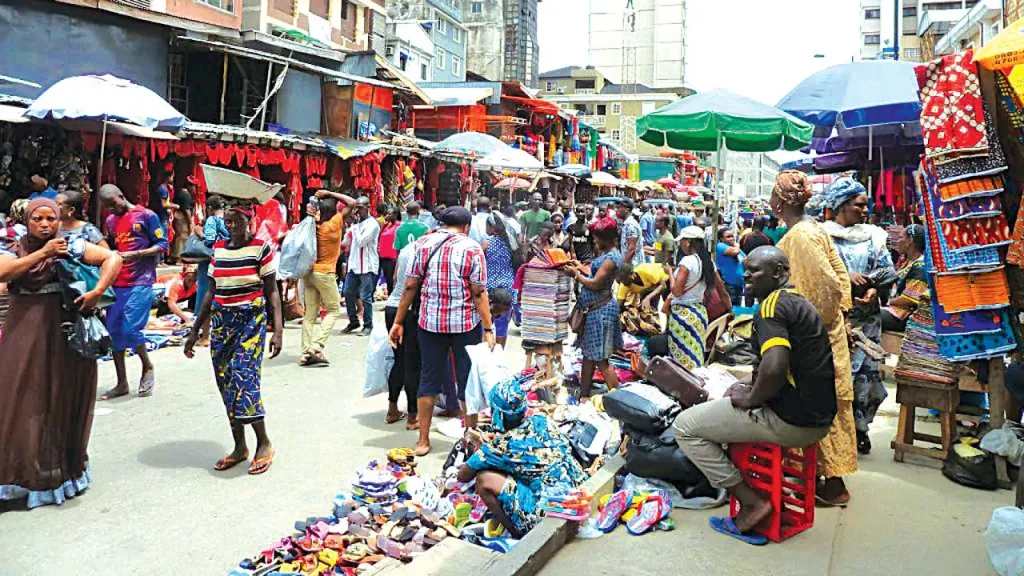
On paper, these figures are eye-watering. To hear that nearly two trillion naira has been funneled into the coffers of government in a single month should suggest a country on the verge of a developmental boom.
But for the average Nigerian, these FAAC announcements have become a monthly ritual of frustration. Despite the “record-breaking” sums being shared, the reality on the ground remains one of record-high inflation, a plummeting naira, and a persistent lack of basic services.
In many states, these billions disappear into “recurrent expenditure”—largely paying the salaries of a bloated civil service and the high costs of political office—leaving very little for the schools, hospitals, and roads that were promised. While the “Big Money” is certainly flowing at the top, there is still very little to show for it in the pockets of the people.



Add Comment