
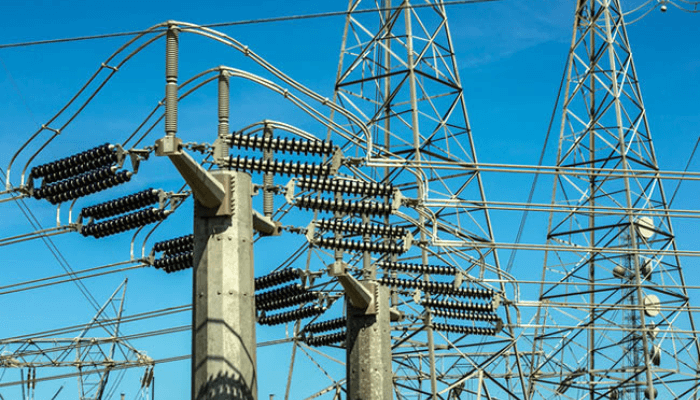

Nigeria’s electricity network suffered a total system collapse on Friday, plunging millions of households and businesses into darkness and reigniting concerns over the country’s fragile power infrastructure.
The collapse, the first recorded in 2026, saw national generation plummet from a peak of over 4,500 megawatts (MW) to a mere 24MW within minutes. By 13:30 local time, all 23 power plants connected to the grid had reportedly lost output, leaving the 11 electricity distribution companies (DisCos) with zero power to supply to their customers.
The incident follows a similar “total system failure” on 29 December 2025, suggesting that the technical vulnerabilities that dogged the sector last year have followed the country into the new year.
The ‘Blackout’ in numbers
The scale of the failure was immediate and total. Data from the Independent System Operator showed a near-vertical drop in the national power profile:
- Pre-collapse generation: 4,500MW+
- Post-collapse generation: 24MW
- Plants affected: All 23 grid-connected thermal and hydro plants.
- DisCos affected: All 11 distribution zones, from Lagos to Kano.
A recurring crisis
While the Transmission Company of Nigeria (TCN) has yet to confirm the exact cause of this latest failure, the grid’s “brittleness” is well-documented. In recent years, these collapses have been triggered by a “domino effect” where a fault in a single high-voltage transmission line causes a sudden frequency surge, forcing all connected power plants to shut down automatically to prevent equipment damage.
Analysts point to three persistent issues:
- Technical Faults: Aging transformers and “sagging” transmission lines that cannot handle high loads.
- Gas Constraints: Frequent disruptions in the supply of gas to thermal power plants.
- Inadequate Maintenance: A lack of investment in modern SCADA (Supervisory Control and Data Acquisition) systems that allow engineers to see and fix faults before the whole grid trips.
‘Unreliable’ infrastructure
The timing of the collapse is particularly frustrating for businesses already grappling with the high cost of alternative energy. Despite recent government interventions and World Bank-funded programmes to modernize the sector, the grid remains prone to “system frequency fluctuations.”
Stakeholders have called for a faster transition to a “decentralized” grid, which would allow regional clusters to stay powered even if the national backbone fails.



Add Comment