

Abuja, Nigeria
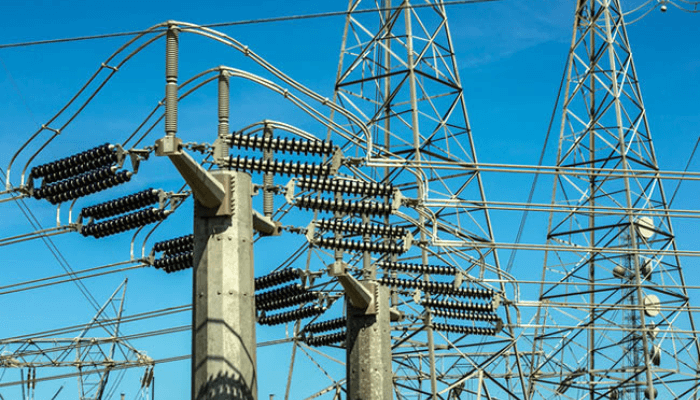
Authorities in Nigeria say they are on the verge of restoring the national electricity supply following a major disruption caused by a gas pipeline explosion and infrastructure vandalism. The Nigeria National Grid issued an update late on Wednesday—Christmas Eve—stating that emergency repair works are in their final stages.
The shortfall was triggered by a blast on the critical Escravos–Lagos Gas Pipeline, a key artery that feeds the country’s thermal power plants. The Minister of Power, Adebayo Adelabu, had previously set a 48-hour deadline on Tuesday for the grid to stabilise. While that window is closing, officials from the Nigerian Gas Processing and Transportation Company (NGPTC) insist that the affected pipeline will be restored “soon,” allowing idle power plants to resume generation.
Power Generation: The Current Picture
As of Wednesday morning, the national grid was distributing just 3,272 Megawatts (MW) across the country—a remarkably low figure for a nation of over 200 million people.
Top Distribution Loads (Dec 24, 8:59 AM):
- Abuja: 501 MW
- Ikeja (Lagos): 494 MW
- Eko (Lagos): 421 MW
- Ibadan: 392 MW
- Benin: 267 MW
- Yola: 95 MW
Context: Nigeria’s power sector is plagued by a “fragile” national grid that frequently collapses. Most businesses and middle-class households rely on expensive petrol or diesel generators to cope with the near-constant blackouts.
Vandalism and Volatility
The current crisis highlights the vulnerability of Nigeria’s energy infrastructure. Beyond the accidental explosion on the Escravos line, the Minister of Power confirmed that acts of vandalism on critical gas pipes had compounded the problem.
Efforts are now focused on securing these remote locations and completing the technical bypasses needed to get the gas flowing again. For millions of Nigerians, the news comes as a relief during the festive period, though many remain sceptical given the grid’s history of instability.



Add Comment