
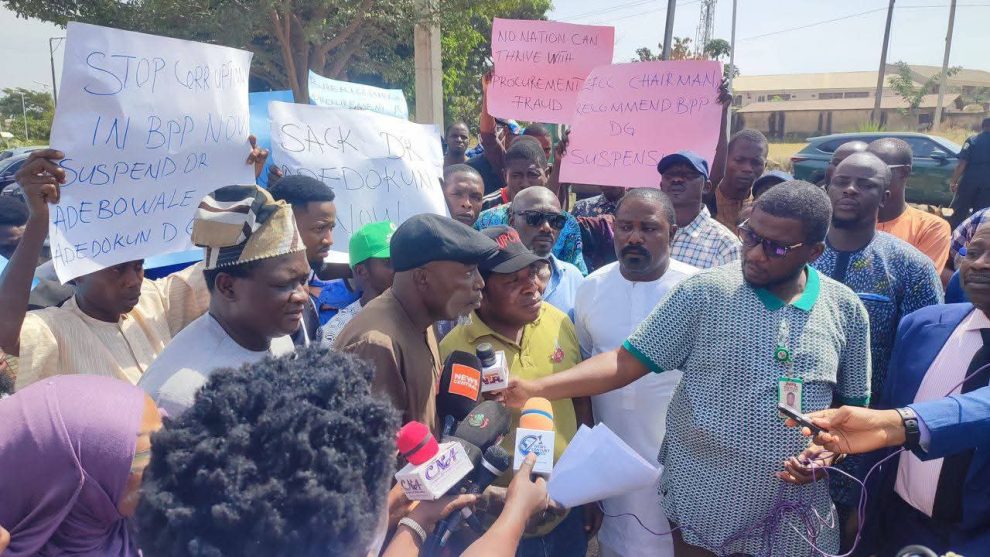

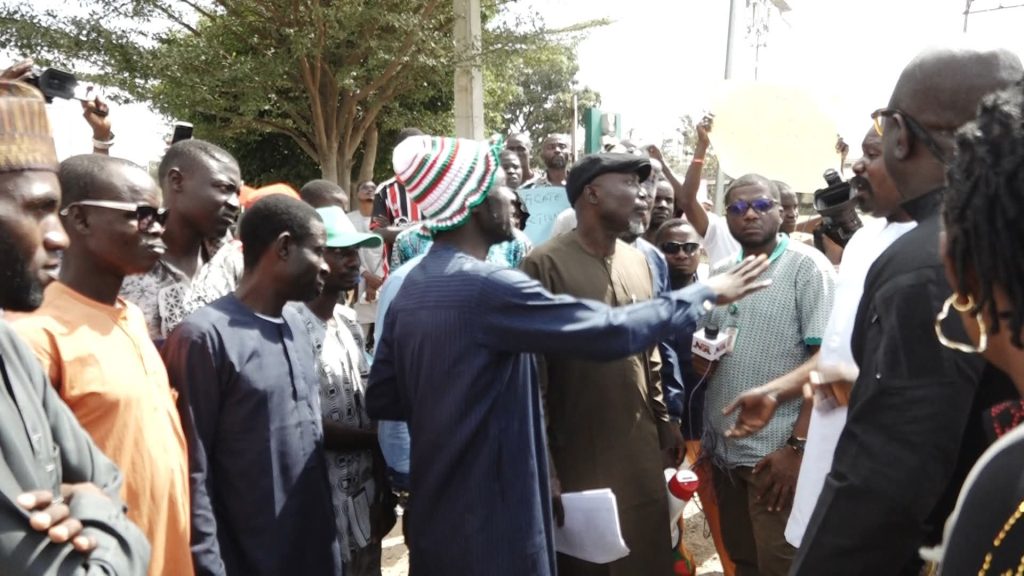
Nigeria’s anti-corruption agency has pledged to investigate the Director General of the Bureau of Public Procurement (BPP) following mass protests at its headquarters in Abuja. The Economic and Financial Crimes Commission (EFCC) met with demonstrators on Tuesday after a coalition of activists demanded a probe into Dr Adebowale Adedokun over allegations of systemic graft.
The protesters, led by the Conference of Civil Society for Transparency and Accountability (COCTA), are calling for the suspension of the procurement chief and his chief of staff, Olanrewaju Obasa.
‘100 bank accounts’
The core of the allegations involves the suspected use of more than 100 bank accounts to facilitate bribes. Activists claim these accounts were used to receive “gratifications”—including foreign currency and vehicles—from contractors in exchange for “Certificates of No Objection.”These certificates are essential documents in Nigeria that permit government agencies to proceed with major contracts. Addressing the crowd, EFCC spokesperson Dele Oyewale said the commission was committed to a thorough inquiry.”We will leave no stone unturned in our pursuit of justice,” Mr Oyewale told the protesters, confirming that the agency had received formal petitions detailing the claims.
Analysis: Why the BPP matters
The Bureau of Public Procurement (BPP) is often described as the “gatekeeper” of the Nigerian treasury. Its primary role is to ensure that government contracts are awarded transparently and that taxpayers get value for money.
Allegations of corruption at the heart of this institution are particularly sensitive for President Bola Tinubu’s administration, which is under pressure to reform the economy and curb public waste.
Institutional Pressure
In addition to the EFCC probe, activists have petitioned the Code of Conduct Bureau (CCB) to scrutinize the asset declarations of Dr Adedokun.
The BPP has not yet issued a formal response to the specific allegations. However, the EFCC’s promise to investigate marks a significant escalation in a case that has become a flashpoint for civil rights groups demanding greater transparency in how Nigeria manages its public funds.


Add Comment