
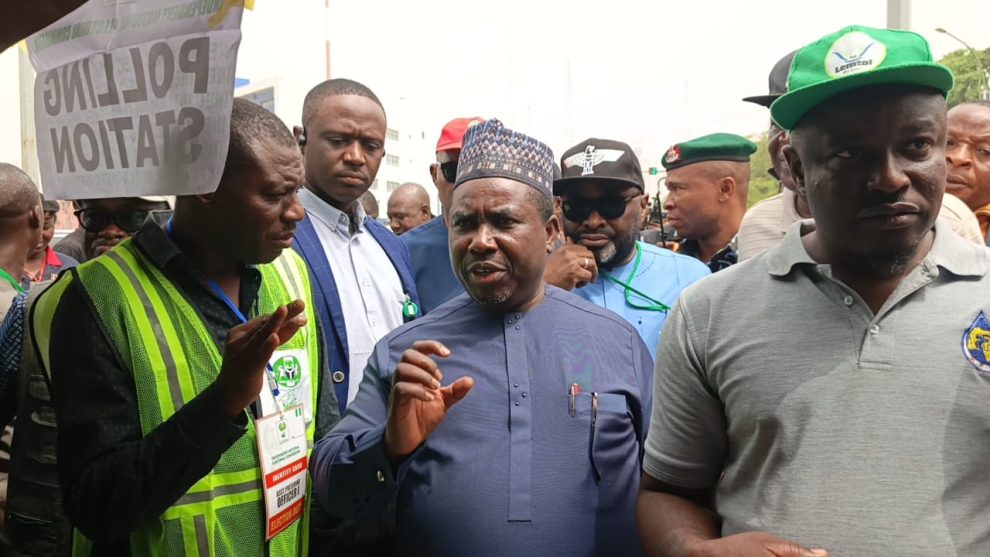

ABUJA – Nigeria’s electoral umpire has moved to clarify confusion following local elections in the Federal Capital Territory (FCT), denying claims that voters were moved to new polling stations just days before the vote.
The statement, signed by Adedayo Oketola, Media Adviser to the INEC Chairman, insists that no “voter migration” took place in 2026. Instead, the commission attributed the weekend’s logistical hiccups to a massive nationwide restructuring that occurred four years ago.
The “Decongestion” Legacy
The root of the current confusion dates back to February 2022. In an ambitious bid to reduce chronic overcrowding, INEC created over 56,000 new polling units across Nigeria. In the FCT alone, the redistribution was significant:411 congested units were split.580,000 voters were moved to less crowded points.1,156 total polling units are now active in the capital. The commission explained that these “split units” are typically located within the same premises or only a few meters from the original sites. They are designed to speed up accreditation using the Bimodal Voter Accreditation System (BVAS) for units with more than 1,250 registered voters.
Communication Breakdown
Despite the 2022 changes, many residents still struggled to find their booths during the February 21 Area Council elections. In response, INEC launched a “targeted intervention” last week, sending a flurry of text messages and emails to affected voters between Wednesday and Saturday. While some critics viewed these late alerts as evidence of last-minute changes, the commission maintains they were merely “reminders” to assist those who hadn’t updated their records.”The objective is to enhance orderliness, reduce overcrowding, and improve the overall voting experience,” the commission stated.
To avoid future “unnecessary inconvenience,” INEC is urging the public to use its digital tools to confirm registration details well ahead of any election day. While INEC describes the FCT election as successful, the lingering confusion suggests that bridging the communication gap between the commission and the electorate remains a hurdle for Nigeria’s democratic process.

Add Comment