
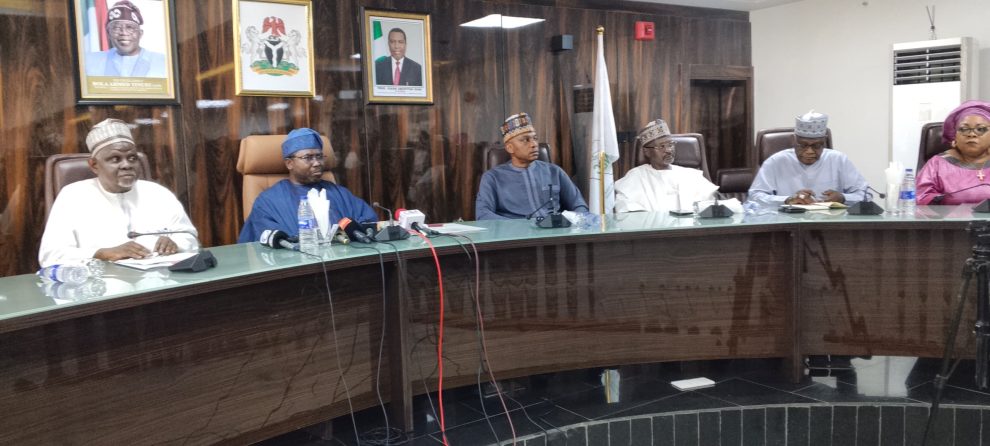

Nigeria’s electoral umpire says it is “consulting” on whether to shift the dates for the 2027 general elections after prominent figures warned that the current schedule clashes with the Muslim holy month of Ramadan. The Independent National Electoral Commission (INEC) had previously fixed the presidential and parliamentary votes for 20 February 2027, with governorship elections following on 6 March. However, the announcement sparked immediate pushback from political leaders and civil society, who pointed out that the dates fall squarely within a period when millions of Nigerian Muslims will be fasting from dawn to sunset.
‘Sacred season’
Atiku Abubakar, a former Vice-President and leading opposition figure, was among the first to raise the alarm. Writing on X (formerly Twitter), he noted that the proposed dates overlap with a “sacred season of reflection and spiritual devotion.”Critics argue that the physical demands of fasting—combined with Nigeria’s often grueling election day heat and long queues—could significantly depress voter turnout and hinder the efficiency of election officials and observers. Bashir Ahmad, a former presidential aide, echoed these concerns, suggesting that scheduling such a “critical national exercise” during Ramadan could exclude a large segment of the population.
Legal vs. Religious timelines
In a statement released on Friday, INEC National Commissioner, Mohammed Haruna explained that the dates were not chosen at random. He said the commission was following strict legal guidelines established in 2019, which mandate that: Presidential elections must hold on the third Saturday of February.
State elections must follow two weeks later.
Under these rules, 20 February and 6 March are the legally “correct” dates. However, the commission now appears to be searching for a middle ground.
What happens next?
INEC has struck a conciliatory tone, stating it is “sensitive to all legitimate concerns” regarding electoral participation. The commission indicated it may seek “legislative intervention”—essentially asking parliament to amend or provide a waiver for the current rules—to allow for a more inclusive timetable. For now, the dates remain on the calendar, but the door has been left open for a shift to ensure that one of Africa’s largest democratic exercises does not force citizens to choose between their civic duties and their faith.

Add Comment