
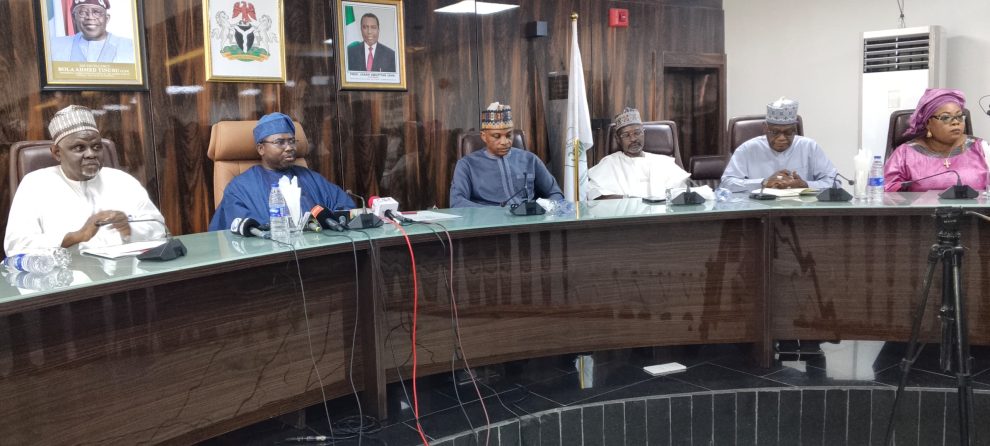

The Independent National Electoral Commission (INEC) has officially announced the dates for Nigeria’s 2027 general elections, bringing an end to weeks of intense political speculation and conflicting rumors regarding the polling calendar. At a press conference in Abuja on Friday, INEC Chairman Professor Joash O. Amupitan, SAN, confirmed that the presidential and National Assembly elections will take place on 20 February 2027. This will be followed by governorship and state assembly elections two weeks later, on 6 March 2027.
Ending the “Detractor” Narrative
The announcement comes as a relief to a nervous electorate. In recent weeks, social media and some local outlets had been awash with unofficial timelines, some suggesting the polls might be shifted to late 2026 to accommodate legislative amendments. Professor Amupitan addressed these rumors directly, describing them as “misleading” and “orchestrated by detractors” who had attempted to usurp the commission’s constitutional role.”For some time now, this has been a subject of speculation,” Amupitan told reporters. “Some people have even taken over the role of INEC by announcing their own dates… this action [today] is taken to ensure the integrity of our electoral processes.
Key Dates to Watch
The 2027 roadmap establishes a clear legal countdown for political parties and candidates:
20 February 2027: Presidential and National Assembly Elections
6 March 2027: Governorship and State House of Assembly Elections
April 2026 – January 2027: Continuous Voter Registration (CVR) window
November 2026: Official commencement of public campaigning
Navigating Legal Reforms
The chairman’s announcement also touched upon the “elephant in the room”: the Electoral Amendment Bill currently pending in the National Assembly. While lawmakers consider reforms—including making electronic result transmission mandatory—Amupitan emphasized that the commission must act on existing laws to avoid “logistical failure.” By releasing the notice now, 360 days before the first ballot is cast, INEC has met its statutory obligation under the Electoral Act 2022. This move effectively locks in the schedule, even as the country debates further changes to its voting framework.
Looking Ahead
The 2027 cycle will be the first general election overseen by Professor Amupitan, who took the helm of the commission in late 2025. He has pledged to deepen the use of technology and maintain a “clean” national register of voters. For many Nigerians, the clarity provided on Friday is the first step in what is expected to be a highly competitive and closely watched transition of power in Africa’s largest democracy.

Add Comment