
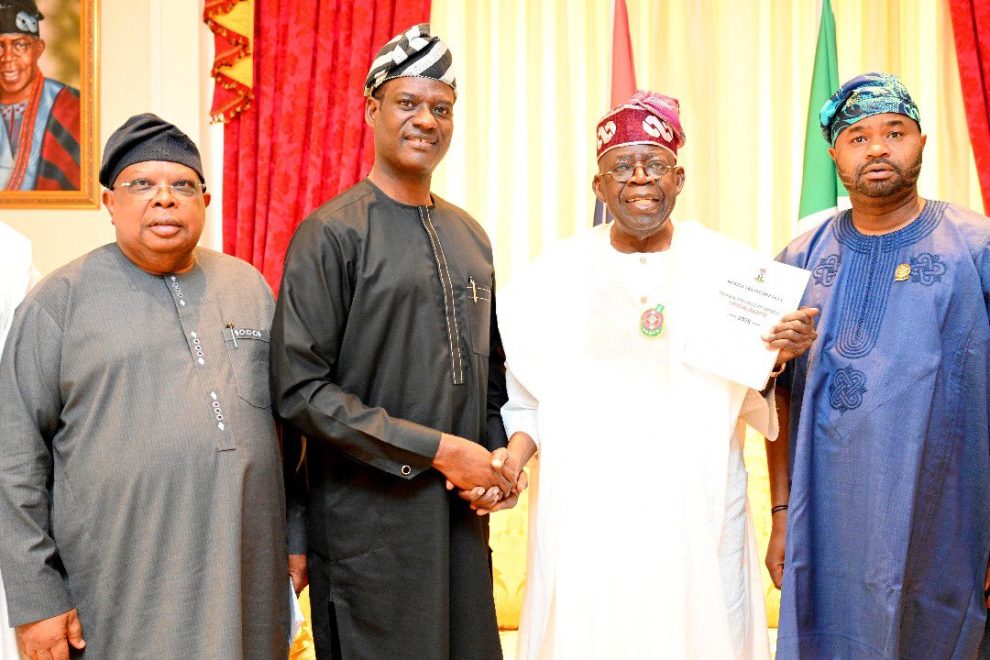

Nigeria’s President Bola Tinubu has dismissed calls to delay or amend new tax laws, confirming they will take effect as scheduled on New Year’s Day.
In a statement released on Tuesday, the President described the reforms as a “once-in-a-generation opportunity” to fix the country’s struggling fiscal system. The move signals the administration’s determination to push ahead with a structural reset of the economy despite intense public debate and pushback from some sectors.
“The tax laws are not designed to raise taxes, but rather to support a structural reset, drive harmonisation… and strengthen the social contract,” Mr Tinubu said.
No ‘premature’ changes
The presidency acknowledged the heated public discourse surrounding certain provisions of the laws, which were enacted earlier this year. However, Mr Tinubu insisted that no “substantial issue” had been found that would justify disrupting the process.
He warned against taking “reactive measures,” arguing that trust in government is built by sticking to tough but necessary decisions.
“Absolute trust is built over time through making the right decisions, not through premature, reactive measures,” the statement added.
A ‘fair and competitive’ foundation
The reforms aim to streamline Nigeria’s notoriously complex tax system by:
- Harmonising Levies: Reducing the “multiplicity” of taxes that businesses face.
- Simplifying Compliance: Making it easier for small and medium-sized enterprises (SMEs) to navigate the system.
- Boosting Revenue: Moving Nigeria away from its heavy dependence on oil income toward a more stable, tax-based fiscal foundation.
Collaboration with Parliament
While the President stood firm on the 1 January 2026 start date, he signaled a willingness to refine the laws in the future. He pledged that the presidency would work alongside the National Assembly to resolve any specific issues identified once the laws are in motion.
The implementation of these laws marks a pivotal moment for the Tinubu administration, which has spent the last year grappling with high inflation and a devalued currency. The government maintains that a more efficient tax system is the only way to fund public services and reduce national debt.


Add Comment